
Planting
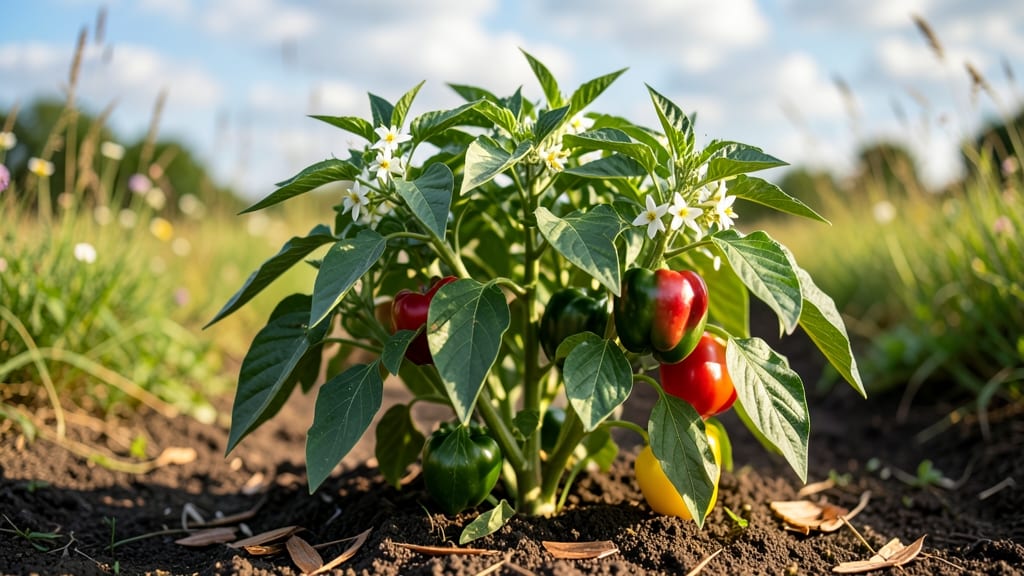
A wild pepper plant in your garden isn’t just a novelty—it’s a flavor explosion waiting to happen, offering smoky, fruity, or fiery heat you won’t find in grocery stores. 🌶️ I’ve grown them for years, and the key is patience: those tiny seeds hide a spice intensity timeline that surprises. even seasoned gardeners.
What starts as a delicate seedling becomes a bush packed with peppers that range from mild to mouth-numbing, depending on the variety and how you harvest them.
The secret to success? Mimic their natural habitat: full sun (at least 6-8 hours daily), well-draining soil, and consistent moisture—but never soggy roots. Wild peppers thrive in zones 9-11 but can be grown as annuals in cooler climates.
Start seeds indoors 8-10 weeks before your last frost, or snip cuttings from a mature plant in spring. They’re perennial in warm zones, meaning your plants can keep producing for years if winter doesn’t kill them back.
By midsummer, you’ll see the first peppers forming—green, then red, yellow, or purple, depending on the type. The spice builds as they ripen, so harvest when they reach your preferred color.
Use them fresh in salsas, ferment them into hot sauce, or dry them for winter spice blends. Even the ornamental varieties add a bold punch to gardens, with glossy leaves and striking fruit.
Troubleshooting is simple: yellow leaves? Check your watering—wild peppers hate wet feet. Slow growth? Boost fertility with compost or a balanced fertilizer. And if pests like aphids show up, a strong spray of water usually does the trick.
With the right care, you’ll go from seed to harvest in 3-4 months, with a bounty that’s as rewarding to grow as it is to eat.
📚 In This Guide
- What you need
- Instructions
- Tips and common mistakes
- Wrapping up and next steps
What you need
- ● Wild Pepper Seeds: 10–20 seeds (ensure they’re from a reputable source for authenticity).
- ● Growing Containers: 5–10 small pots (4–6 inches in diameter) for seedlings.
- ● 1 large container (12+ inches in diameter) or garden bed for mature plants.
- ● Potting Mix: 5–10 lbs of well-draining, peat-based or cactus/succulent mix (avoid heavy garden soil).
- ● Grow Lights or Sunny Window: A full-spectrum LED grow light (if indoors) or a south-facing window with 6+ hours of sunlight.
- ● Watering Can or Spray Bottle: With a fine rose attachment for gentle watering.
- ● Fertilizer: Balanced liquid fertilizer (10-10-10 or 20-20-20, diluted to half-strength).
- ● Pruning Shears: Small, sharp scissors for trimming.
- ○ Support Stakes or Trellis: (Optional) For climbing varieties (e.g., 3–4 ft bamboo stakes).
- ● Soil pH Test Kit (ideal pH: 6.0–7.0 for wild peppers).
- ● Heat Mat (if seedlings struggle in cool climates).
- ● Mulch (straw or wood chips) to retain moisture.
- ● Pest Control: Neem oil or insecticidal soap (for aphids/spider mites).
- ● Harvesting Gloves (wild peppers can be spicy—handle with care!).
Step-by-Step instructions for cultivating wild pepper plants
Here's how I grow fiery wild peppers from seed to harvest, tracking spice development every step.
🌱 Step 1: Start Seeds Indoors with Precision Timing
Plant seeds in 2-3 inch deep pots filled with sterile seed-starting mix, placing them ¼ inch deep—any deeper and they'll struggle to emerge. I use a heating mat set to 75-80°F to speed germination, which typically occurs in 10-14 days. Keep the soil consistently moist but never soggy; I check daily by pressing my finger into the mix until I feel slight resistance at ½ inch depth.
Once sprouts appear, move them to a bright location with 12-14 hours of light daily. Without enough light, seedlings grow leggy and weak, which means lower spice production later. I use a grow light on a timer to maintain consistent conditions. Watch for the first true leaves—these will be smaller than the initial seed leaves—and that's when you can gently fertilize with a diluted ½-strength organic fertilizer.
☀️ Step 2: Transplant After True Leaves Form
When seedlings develop 3-4 true leaves (about 4-6 weeks after sowing), it's time to transplant. Choose a location with full sun exposure—at least 6-8 hours daily—and well-draining soil. I mix in compost to enrich the soil before planting, as wild peppers thrive in nutrient-rich conditions. Space plants 18-24 inches apart to allow for air circulation, which prevents fungal diseases that can weaken plants and reduce spice potency.
Dig holes just deep enough to bury the roots completely, then water thoroughly to settle the soil. Mulch around the base with 1-2 inches of organic mulch to retain moisture and suppress weeds. This step is crucial because wild peppers are sensitive to moisture stress, which directly impacts their spice development.
💧 Step 3: Water and Fertilize for Maximum Spice
Water deeply once weekly, allowing the top 2 inches of soil to dry between waterings. Overwatering leads to diluted flavors and weaker plants. I use a drip irrigation system to deliver water directly to the roots, avoiding wetting the leaves, which can promote disease. During flowering, reduce water slightly to encourage stronger spice development—this is when the plant focuses energy on fruit rather than foliage.
Fertilize every 4-6 weeks with a balanced organic fertilizer, but cut back to ½-strength once flowers appear. Too much nitrogen at this stage will produce lush growth but weaker peppers. Watch for the first flowers—these will develop into your harvestable peppers—and that's when you'll start seeing the spice intensity build.
⏰ Step 4: Monitor Spice Development Through Harvest
Wild peppers increase in spice as they mature, with the hottest varieties peaking at 90-120 days after transplanting. Harvest when peppers reach full color but are still slightly firm—this ensures maximum heat. I pick peppers in the morning when their oils are most concentrated. Leave some peppers on the plant to fully ripen if you want to experiment with dried or fermented flavors, as these processes further intensify the spice.
After harvesting, let peppers dry completely before storing. I hang them in small bunches in a dark, well-ventilated area for 1-2 weeks to preserve their heat. The longer they dry, the more concentrated the capsaicin becomes. Store dried peppers in airtight containers away from light to maintain their fiery potency for months.
Tips & tricks for growing fiery wild peppers
These insider tricks will help you cultivate peppers with maximum heat and flavor—without the common pitfalls.
Germination Precision: The ¼-inch planting depth in Step 1 isn't arbitrary—it balances light exposure with moisture retention. I've found that using a fine-mesh strainer to sift the seed-starting mix creates the perfect loose texture for young roots to penetrate. For extra insurance, I lightly mist the surface with water after planting to ensure consistent moisture without over-saturating.
Lighting Strategy: That 12-14 hours of light requirement in Step 1 is critical for preventing leggy seedlings. I've had the best results using LED grow lights positioned just 6 inches above the seedlings. If you notice stems stretching toward the light source, lower the lights gradually by 1 inch every few days until you achieve that ideal compact growth pattern.
Transplant Timing Secret: The 4-6 week window for transplanting in Step 2 gives you flexibility, but I recommend waiting until you see the third true leaf—this ensures the seedling has developed enough root mass to handle the transplant shock. When transplanting, I make the soil hole just slightly wider than the root ball to minimize disturbance to those delicate roots.
Spice Development Hack: During flowering in Step 3, I reduce watering to every 10-12 days instead of weekly. This slight stress actually triggers the plant to produce more capsaicin—the compound that gives peppers their heat. The trade-off is worth it when you taste the difference in spice intensity compared to consistently moist soil.
Pro Tips for Wild Pepper Plant
- These insider tricks will help you cultivate peppers with maximum heat and flavor—without the common pitfalls.
- Germination Precision: The ¼-inch planting depth in Step 1 isn't arbitrary—it balances light exposure with moisture r...
- Lighting Strategy: That 12-14 hours of light requirement in Step 1 is critical for preventing leggy seedlings. I've h...
Frequently asked questions
Got questions about growing wild pepper plants? You’re not alone! Here are some of the most common queries—plus straightforward answers to help you cultivate your fiery harvest with confidence.
How long does it take for a wild pepper plant to produce fruit?
A wild pepper plant typically takes 60–90 days from transplanting to produce fruit, depending on the variety and growing conditions. Early-blooming types (like Capsicum annuum) may yield peppers sooner, while hotter varieties (e.g., habaneros) can take longer. Patience is key! Ensure full sun (6+ hours/day) and consistent warmth (70°F+) to speed up the process.
Why aren’t my wild pepper plants flowering or fruiting?
If your plants are lush but not flowering, check these 3 culprits:
- Insufficient sunlight: Wild peppers crave full sun—move them to a sunnier spot or supplement with grow lights.
- Temperature stress: Chilly nights (<50°F) or heatwaves (>90°F) can stall blooms. Use row covers or shade cloth if needed.
- Nutrient imbalance: Too much nitrogen = leafy growth, no flowers. Switch to a phosphorus-rich fertilizer (like 5-10-10) to encourage blooms.
Can I grow wild peppers indoors? What’s the best setup?
Wild peppers thrive indoors with the right setup:
- Light: Place near a south-facing window or use a grow light (12–16 hours/day).
- Container: Use a 5–10 gallon pot with drainage holes and well-draining soil (cactus/succulent mix works).
- Humidity: Mist leaves or use a pebble tray to combat dry indoor air.
- Temperature: Keep between 70–85°F—avoid drafts from AC/heaters.
Are wild pepper plants perennial, or do I need to replant yearly?
Wild pepper plants are annuals in most climates but can be perennial in warm zones (USDA 9–11). In colder areas:
- Dig up plants before frost and overwinter indoors in pots (keep in bright light).
- Save seeds from your healthiest peppers for next year’s crop.
- In mild winters, mulch heavily to protect roots.
What should I do if my wild pepper plant gets pests or diseases?
Common issues and fixes:
Problem
Solution
Aphids/Spider Mites
Spray with neem oil or introduce ladybugs. Keep plants hydrated to deter mites.
Powdery Mildew
Improve airflow, avoid overhead watering, and treat with baking soda spray (1 tsp baking soda + 1 quart water + drop of soap).
Blossom End Rot
Add calcium (crushed eggshells or calcium nitrate) to soil and keep soil consistently moist.
Wrapping up and next steps
Growing your own wild pepper plant is a rewarding journey that blends patience, passion, and a dash of spice! 🌱 From nurturing tiny seeds to harvesting fiery peppers, every stage offers a unique thrill.
Whether you're a seasoned gardener or a curious beginner, the key is to embrace the process—adjusting care as needed and celebrating small victories along the way.
Ready to take the next step? Start small—try a single plant or a few varieties to test your green thumb. Once you’ve mastered the basics, experiment with different growing conditions or even hybridize your own peppers for next-level heat! The garden (and your taste buds) will thank you.