
Propagation
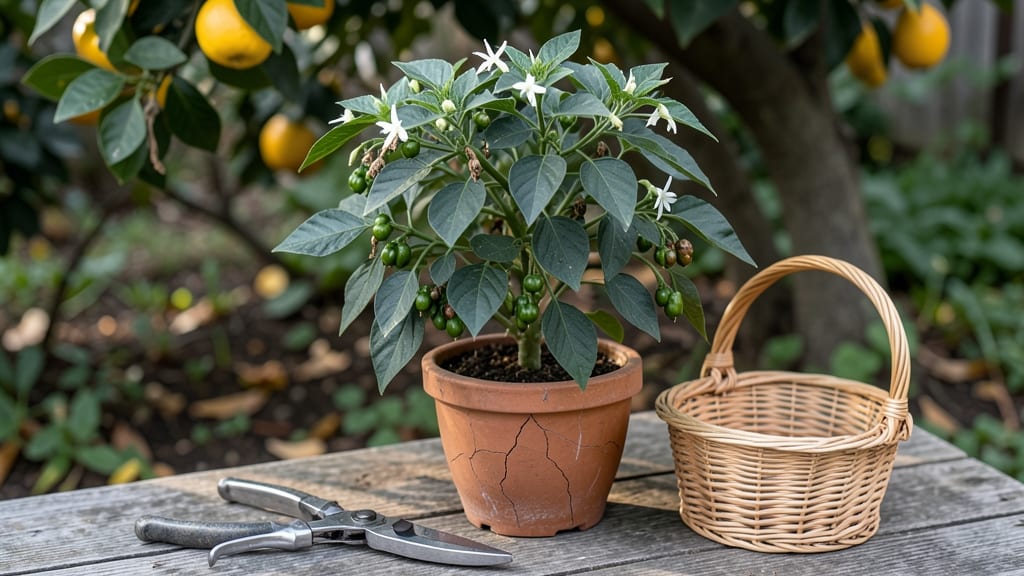
The Piper nigrum vine thrives in humid, shaded environments with well-draining soil—a recipe that’s hard to replicate outside its native tropical zones. 🌿 While India remains the spiritual homeland of pepper, modern farming has expanded to Vietnam, Madagascar, and even parts of Africa, where the spice adapts to local microclimates.
What’s fascinating is how these berries transform: black peppercorns darken through sun-drying, while white peppercorns lose their outer layer through fermentation and bleaching, creating two distinct flavors and uses in kitchens worldwide.
This global journey begins with careful cultivation. Farmers train vines to climb trellises for better air circulation, and harvesters handpick berries at peak ripeness—either green (for black pepper) or fully ripe (for white).
After processing, peppercorns travel through complex supply chains, often arriving at your kitchen after months of curing and quality checks. The result? A spice that’s both ancient and ever-evolving, shaped by geography, tradition, and modern agriculture.
💡 In This Article
- The Original Peppercorn Regions: History and Climate
- How Peppercorns Travel from Farm to Your Spice Rack
The original peppercorn regions: history and climate
The Piper nigrum vine, peppercorn's botanical parent, evolved in the dense, humid rainforests of southwestern India's Malabar Coast around 2,000 years ago. This region's perfect storm of conditions—70-90% humidity, 20-30°C (68-86°F) temperatures, and shade from towering canopy trees—created an ideal microclimate.
The vines naturally climb trees, using their aerial roots to anchor while their berries ripen in the dappled sunlight. 🌿 These conditions are so precise that even slight deviations can stress the plants, explaining why pepper historically struggled in Europe's colder climates.
Ancient trade routes like the Spice Route carried peppercorns from India to Rome, where they became a luxury item worth their weight in gold. The Romans called it "black gold" and used it to preserve meats and flavor dishes like garum (a fermented fish sauce).
Today, Vietnam produces 34% of the world's pepper, thanks to its coastal regions mirroring India's climate, while Brazil's Amazon basin offers similar conditions. The key difference? Modern farms use irrigation and shade nets to replicate the forest floor's moisture and light balance, ensuring consistent yields.
What makes these regions special isn't just the heat—it's the soil. Pepper vines thrive in well-draining, slightly acidic soil with organic matter, like the loamy riverbanks of Kerala or the volcanic soils of Sumatra. The vines' roots spread wide but shallow, absorbing water efficiently while avoiding waterlogging.
This adaptability allows pepper to grow in 15-25 meters (50-80 feet) of annual rainfall, but too much water can cause fungal diseases like anthracnose, which destroys crops. Farmers in Kerala often plant pepper alongside cardamom or coconut to create natural windbreaks and microclimates.
The transformation from berry to spice begins with the vine's flowering cycle. Each vine produces 100-200 flowers that develop into berries, which turn red when ripe.
For black pepper, harvesters pick them green (6-8 months after flowering) and dry them in the sun for 3-5 days, causing the berries to shrivel and turn black.
White pepper, meanwhile, requires fully ripe red berries that are fermented for 1-2 weeks to soften the outer layer before it's removed through bleaching.
This process highlights how climate dictates both flavor and color—black pepper's bold heat comes from its unripe, concentrated compounds, while white pepper's milder profile reflects its fermented, seed-only origin.
Climate change poses a growing threat to these regions. Rising temperatures in Kerala have increased the risk of drought, while heavier monsoons in Vietnam can drown crops.
Farmers are responding with drip irrigation systems and drought-resistant varieties, but the challenge remains: replicating the shaded, humid conditions of a rainforest in a controlled farm. Some experimental farms in Colombia and Hawaii are testing high-altitude cultivation, where cooler nights and consistent rainfall might offer a solution. The lesson?
Pepper's journey from forest to spice rack is as much about climate as it is about cultivation. 🌍