Plants
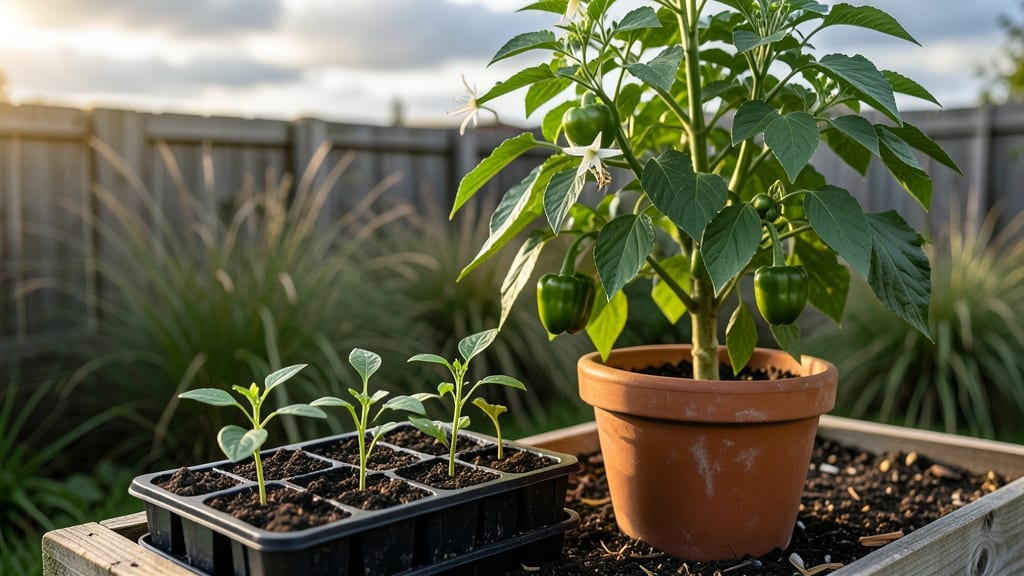
Planting peppers in Zone 6 means timing it right—soil must be warm, and frost-free days stretch ahead.
Peppers thrive in warm soil but struggle with late frosts—getting the timing right in Zone 6 means the difference between a bountiful harvest and wasted seeds. Here’s exactly when to plant for optimal growth, plus pro tips to extend your growing season.
Most gardeners in Zone 6 wait until after the last frost date, usually around mid-May, but soil temperature is the real game-changer. Peppers need soil that’s at least 70°F to germinate and grow well. If you plant too early, your seedlings will linger in cold soil, stunting their growth.
Below, I’ll break down the exact dates for starting seeds indoors or transplanting, how to check soil warmth, and the best pepper varieties for a shorter growing season. You’ll also learn how to push your harvest later into fall with simple tricks.
Optimal planting dates for peppers in Zone 6 (with frost risk guide)
Peppers need warm soil (70°F+) and consistent heat to thrive, but Zone 6’s unpredictable frosts can derail your harvest if you plant too early.
The average last frost date in Zone 6 falls between April 15–May 15, but soil may not be ready until late May or early June—that’s where timing gets tricky.
For direct-sown seeds, wait until soil temperatures hit 70°F+ (use a soil thermometer) and nighttime temps stay above 55°F.
Most Zone 6 gardeners achieve this by mid-to-late May, but this varies by microclimate. Transplants can handle slightly cooler soil, so you can plant them 2–3 weeks earlier than seeds.
Here’s the critical window: May 20–June 15 is prime for bell peppers, while jalapeños and hot peppers can stretch into early July for a fall harvest. Miss these dates, and you risk stunted growth or frost damage.
🌱 Pro Tip: Use a frost risk calculator (like the Almanac’s Frost Calculator) to adjust for your exact location—some Zone 6 areas (like western PA) can plant 2 weeks earlier than northern IL.
If you’re planting transplants, start them indoors 8–10 weeks before your last frost date. For seeds, direct-sow after Memorial Day (May 25) to avoid frost, but always confirm soil temps. Hot peppers are more frost-tolerant than bells, so they can handle a July start for a late harvest.
Zone 6’s first frost typically arrives October 15–November 1, so aim to harvest peppers before September 15 to avoid damage. Use row covers or black plastic mulch to extend the season by 2–3 weeks.
For urban gardeners in Zone 6, containers can push planting dates 1–2 weeks later since they warm up faster. Just ensure pots have drainage holes and use heat-retaining materials like black fabric to raise soil temps.
🌡️ Soil Temp Check: Bury a soil thermometer 2 inches deep. If it reads below 70°F, wait 1–2 weeks—peppers won’t germinate or grow in cooler soil. Cold soil causes blossom end rot and stunted plants.
To adjust for your exact location, plug your ZIP code into the Old Farmer’s Almanac Frost Calculator (link in resources). This will give you localized frost dates and help you fine-tune your planting schedule for maximum pepper success.
Remember: Peppers hate cold. If you plant too early, they’ll linger in the soil instead of growing. Wait for warmth, and your plants will reward you with juicy, flavorful peppers
How to extend your pepper growing season in Zone 6 (start indoors & harden off)
Zone 6 gardeners face a short growing season for peppers, but with the right timing and techniques, you can harvest peppers until frost. The key is starting seeds indoors early and using season-extending tools like row covers.
I’ve grown jalapeños and bell peppers this way for years, and here’s my foolproof method.
Peppers need warm soil (70°F+) and 80+ frost-free days to mature. In Zone 6, that means starting seeds indoors 8–10 weeks before your last frost date (typically mid-April). If you miss that window, don’t worry—row covers can push harvests into October!
Step-by-Step Guide to Extending Your Pepper Season
- Weeks 1–4: Start seeds indoors under grow lights (6–8 hours/day). Use seed-starting mix and keep soil at 75–85°F.
- Weeks 5–6: Harden off seedlings by placing them outdoors for 2–3 hours/day, gradually increasing time.
- Week 7: Transplant seedlings into garden beds or containers after soil warms to 70°F+.
- Weeks 8–12: Use row covers or cold frames to protect plants from light frosts (28–32°F).
- Ongoing: Monitor for pests and water consistently—peppers hate soggy soil!
For a 30-day timeline, mark your last frost date and count backward. For example, if frost hits October 15, aim to transplant by September 15 and start seeds by July 15. This gives peppers 90 days to mature before cold sets in.
Pro tip: Choose fast-maturing varieties like ‘Early Jalapeño’ (60 days) or ‘Carolina Wonder’ (70 days). These thrive in Zone 6’s shorter season. Avoid long-season peppers like ‘Big Beef’ unless you’re using a greenhouse.
Once peppers are in the ground, mulch heavily to retain heat and moisture. I use straw, which also deters weeds. By following these steps, you’ll double your harvest time—from July to October!
Don’t let Zone 6’s cool climate stop you—with these techniques, you’ll enjoy homegrown peppers until frost. Happy growing! 🌱