
How To
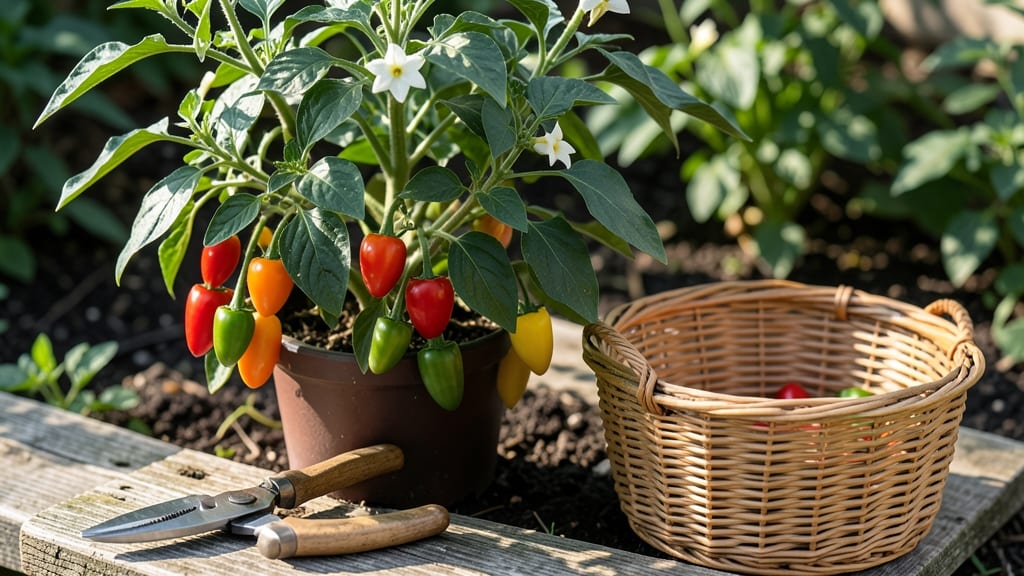
Picking cherry peppers at the right time means the difference between sweet, juicy bites and bitter, underripe disappointment—here’s exactly when to pick them for peak flavor.
You’ve nurtured your 🌶️ plants all season, but one wrong move can turn vibrant reds and yellows into mealy, flavorless pods. The secret? Watching for three key color cues that signal perfect ripeness—and knowing when to act before they overripe.
Green cherry peppers might be ready to eat, but they won’t reach their full sweetness until they shift to red, yellow, or orange. Meanwhile, waiting too long turns them rubbery and seedy.
Below, I’ll break down the color stages, how to test ripeness with a simple touch, and the one mistake that ruins flavor faster than heatwaves.
Master these tricks, and you’ll harvest cherry peppers at their sweetest—every time. Ready to learn the exact moment to pick? Let’s dive in.

3 Color stages of cherry peppers and when to harvest them
Cherry peppers are one of the most rewarding plants to grow, offering three distinct color stages that signal ripeness. Each stage brings a unique flavor profile and texture, from tangy green to sweet red.
Knowing when to harvest ensures you enjoy the best taste and texture—whether you're snacking fresh or preserving them.
Most gardeners focus on the red and green stages, but don't overlook yellow and rare purple/black varieties, which add exciting flavor twists. The key is understanding how color ties to maturity, not just size. A pepper might look big but still taste underripe if it's not fully colored!
Color isn't the only clue—firmness, glossiness, and even the way the pepper snaps at the stem play roles. But mastering these three color stages gives you a foolproof starting point for perfect harvest timing.
| Stage | Color | Flavor Profile | Harvest Time | Best For |
|---|---|---|---|---|
| Green | Bright green | Tangy, slightly bitter | 60-75 days after transplant | Pickling, stir-fries |
| Yellow | Golden yellow | Sweet, mild, slightly floral | 75-85 days after transplant | Fresh eating, salads |
| Red/Orange | Deep red or orange | Sweetest, fruity | 85-90 days after transplant | Roasting, drying |
| Purple/Black | Deep purple or black | Earthy, slightly smoky | 90+ days after transplant | Gourmet dishes, fermenting |
Your green cherry peppers are the first to mature, typically around 60-75 days after transplanting. These aren't fully ripe—they're harvested early for their crisp texture and tangy bite.
Think of them as the unripe version of red peppers, perfect for pickling or stir-fries where you want that bright, fresh kick.
If you leave green peppers on the plant, they'll gradually transition to yellow or red, developing sweeter flavors. But if you're growing a green-only variety (like 'Snackable' or 'Golden Snack'), stop harvesting once they reach 1-2 inches in size—any larger, and they may turn bitter.
The yellow stage arrives next, signaling a sweeter, milder flavor with hints of floral notes. This stage typically appears between 75-85 days after transplanting. Yellow peppers are ideal for fresh eating because their lower acidity makes them gentler on sensitive palates.
Look for a uniform golden hue—if spots of green remain, they're not fully ripe yet.
For red and orange cherry peppers, patience pays off with the sweetest, most complex flavors. These mature last, around 85-90 days, and pack the most fruity, almost tomato-like sweetness.
A fully ripe red pepper should be deep in color with a glossy sheen. If it feels dull or wrinkled, it's overripe and may taste bitter.
Don't forget about rare purple/black varieties like 'Black Pearl' or 'Purple Beauty,' which take longer to ripen (90+ days) but offer earthy, smoky flavors perfect for gourmet dishes. These peppers often darken as they ripen, so watch for color changes from green to deep purple or black.
Their unique flavor profile makes them worth the wait!
Harvesting at the wrong stage can ruin your crop. Green peppers left too long turn leathery and bitter, while overripe red peppers develop soft spots and wrinkles.
Always check for firmness and glossiness—these are better indicators than color alone. A ripe cherry pepper should yield slightly when gently squeezed but not feel mushy.
Pro tip: Use scissors or pruning shears to harvest, leaving a small stem attached. This prevents damage to the plant and helps peppers stay fresher longer. Store harvested peppers in the fridge for up to 2 weeks, or dry them for long-term storage.
The right harvest timing ensures your cherry peppers shine in every dish!
How to test ripeness beyond color: the 3-Step touch-and-taste method
Color is just the first clue—cherry peppers reveal their true ripeness through texture, size, and flavor. Even if your peppers look vibrant, a quick touch-and-taste test can save you from picking them too early (or too late).
I’ve learned the hard way that ignoring these cues leads to bitter, seedy, or mealy peppers that ruin dishes. Here’s how to get it right every time.
Start by examining the stem. A ripe cherry pepper’s stem should separate cleanly from the plant with a gentle twist—no stubborn pulling required. If it resists, the pepper isn’t ready.
This stem-snap test is my foolproof way to avoid underripe peppers that taste like green beans with a kick. Pair this with the next two steps for perfect timing.
🌶️ The 3-Step Ripeness Test for Cherry Peppers
- 1 Size Check: Measure your pepper—ripe cherry peppers typically reach 1–2 inches in length. If it’s smaller than a pinky fingernail, wait a few days. Varieties like 'Apache' or 'Solar Flare' stay compact, so compare to their mature size, not a ruler.
- 2 Firmness Test: Gently squeeze the pepper—it should feel firm but slightly yielding, like a ripe avocado. If it’s rock-hard, it’s underripe; if it’s mushy, it’s overripe. Pro tip: Press near the stem to avoid bruising the skin.
- 3 Flavor Sample: Taste a small piece—ripe cherry peppers should burst with sweetness (like a cross between a grape and a bell pepper) or bright heat (if it’s a hot variety). If it’s bland, waxy, or seedy, it’s not ready. For green varieties, they’re best when fully sized but still firm.
Don’t overlook the glossy skin—ripe cherry peppers develop a slight sheen, while dull or wrinkled skins signal overripeness. I once harvested a batch of 'Lunchbox' peppers that looked perfect but tasted watery and bland because I ignored this detail.
Pair this with the stem-snap test, and you’ll never miss the window again.
Timing matters most in hot climates—peppers ripen faster when temps exceed 90°F, so check them every 2–3 days. In cooler zones, a weekly inspection suffices. If you’re unsure, pick early—cherry peppers continue ripening slightly after harvest, unlike tomatoes or eggplants.
Overripe cherry peppers turn mealy, bitter, or shriveled, while underripe ones lack flavor and crunch. The 3-step method ensures you hit that sweet spot where texture and taste are at their peak. Once mastered, you’ll harvest peppers that shine in salads, salsas, or roasted dishes—no guesswork needed.