
Picking
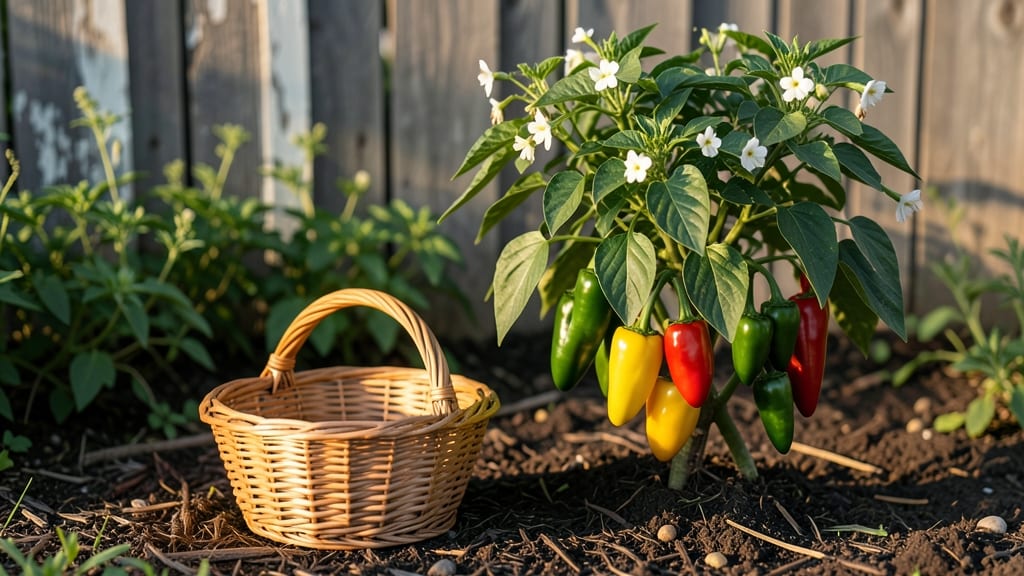
Hot peppers ready to pick are all about color, size, and the snap test—not just guessing when they’re ripe.
Picture this: you’ve nurtured your 🌶️ plants all summer, and now the moment of truth arrives. One wrong move, and you’re left with peppers that are either too mild or bitter. The secret? Knowing the exact cues—like a deep red jalapeño or a glossy yellow habanero—that signal peak flavor.
Some varieties ripen in as little as 60 days, while others take nearly four months. Missing the window means wasted effort, but timing it right turns your garden into a spice treasure trove.
Below, I’ll break down the visual and tactile clues so you never pick too early or too late again.
From the snap test to color changes, you’ll learn the foolproof way to harvest hot peppers at their absolute best—no more second-guessing, just perfect heat and flavor every time.

How to identify hot pepper ripeness by color, size, and texture
Hot peppers are a gardener's fiery reward, but knowing exactly when to pick them makes all the difference between a mild disappointment and a bold harvest. While some varieties ripen in 60 days, others take 120 days or more.
The key lies in watching for three critical cues: color progression, size benchmarks, and texture changes. Let’s break down what to look for in your garden.
Most hot peppers start green but mature into vibrant reds, yellows, oranges, or purples, depending on the variety. For example, jalapeños turn deep red or purple, while habaneros shift to bright orange or yellow. However, some like jalapeño M stay green when ripe.
Size also matters—smaller peppers (like thai chilis) are ready at 1-2 inches, while larger varieties (like ghost peppers) need 3-6 inches to reach full flavor potential.
Color is your first clue, but it’s not the only one. A pepper’s skin texture should be firm and glossy, not wrinkled or soft. Run your fingers over the pepper—if it feels slightly leathery but still smooth, it’s likely ready. Overripe peppers develop a dull, wrinkled appearance and may even crack or rot if left too long on the plant.
| Variety | Mature Color | Size (inches) | Texture | Days to Ripen |
|---|---|---|---|---|
| Jalapeño | Red, Purple, or Green | 2-3 | Firm, glossy | 60-75 |
| Habanero | Orange, Yellow, Red | 1-2 | Slightly waxy | 90-120 |
| Ghost Pepper | White, Yellow, or Red | 3-4 | Thick, leathery | 120-150 |
| Serrano | Green, Red, or Brown | 1-2.5 | Firm, slightly bumpy | 70-80 |
| Cayenne | Red | 2-4 | Smooth, glossy | 75-90 |
| Thai Chili | Green, Red, or Purple | 1-1.5 | Thin, tender | 60-80 |
| Scotch Bonnet | Red, Yellow, or Orange | 1-2 | Slightly wrinkled when ripe | 90-110 |
The snap test and other pro tips to avoid picking too early or lateMastering the art of picking hot peppers at peak ripeness ensures maximum flavor and heat potential. The snap test is my go-to method—simply twist a pepper gently at its stem. If it snaps cleanly, it’s ready for harvest. This simple trick works for jalapeños, serranos, and most other varieties, but always pair it with visual cues for accuracy. Beyond the snap test, pay close attention to stem color. A mature pepper’s stem should turn from green to brown or slightly yellowish. This change signals the pepper has reached its full size and flavor development. For example, habaneros often show this shift earlier than bell peppers, so don’t assume all peppers follow the same timeline. 🌶️ !
⚠️ Warning: Don’t Overestimate Green Peppers!Some gardeners assume green peppers are always unripe, but jalapeños and serranos can be harvested green at peak flavor. Always check for firmness and size—a green pepper that’s 3-4 inches long and snaps easily is ready, even if it hasn’t changed color! Next, examine the seeds inside your pepper. Fully ripe peppers often have fully developed seeds—they’ll be plump and dark-colored. If the seeds are still white or underdeveloped, the pepper needs more time on the plant. This is especially critical for ghost peppers, where seed maturity directly correlates with heat intensity. Firmness is another key indicator. A ripe pepper should feel firm but slightly yielding when gently squeezed. If it’s rock-hard, it’s likely underripe; if it’s soft or wrinkled, it’s overripe. For thin-skinned varieties like tabasco peppers, this test is crucial—they can go from perfect to mushy in just a few days. Weather plays a surprising role in ripening. Hot, sunny days speed up maturation, while cool nights can slow it down. If your peppers are taking longer than expected, check your local frost dates. Some varieties, like cayenne peppers, may never fully ripen in short growing seasons, so plan accordingly or opt for faster-maturing types. Finally, always harvest regularly to encourage more production. Peppers left too long on the plant can become bitter or mealy, especially in high-heat varieties. I like to pick every 2-3 days during peak season to keep my plants productive and my peppers at their best. |