
Planting
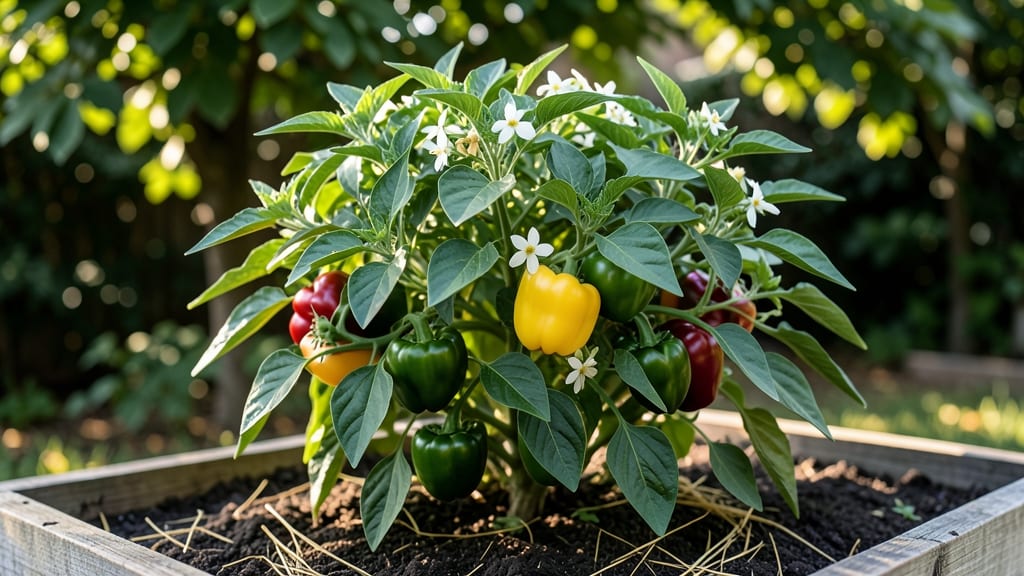
The peppercorn plant comes from the Piper nigrum vine, a tropical evergreen climber originally from India. Its tiny, round berries—peppercorns—turn into the spice after drying on the vine’s woody stems. This plant loves warm, humid conditions with well-draining soil and dappled sunlight.
The Piper nigrum vine belongs to the pepper family and grows as a perennial climber, reaching heights of up to 30 feet in ideal conditions. 🌿 Its heart-shaped leaves and delicate flowers give way to clusters of berries that start green, then transform into black or white peppercorns depending on when they're harvested and dried.
Unlike annual herbs, this vine can produce for years once established, making it a rewarding addition to tropical gardens or greenhouses.
What makes this plant so fascinating is its dual-purpose nature—both the vine itself and its berries serve culinary and medicinal roles. The berries contain compounds like piperine, which gives pepper its signature heat and potential health benefits like anti-inflammatory properties.
For home gardeners, starting with seeds requires patience, as they can take up to a year to germinate, but cuttings from established plants offer faster results.
💡 In This Article
- Piper Nigrum Vine Growth Requirements and Botany
- Cultivating Peppercorns at Home: A Gardener’s Guide
Piper nigrum vine growth requirements and botany
The Piper nigrum vine is a tropical evergreen climber with a unique botanical structure. It grows as a perennial liana, meaning it uses other plants or structures for support as it climbs upward.
The vine produces heart-shaped leaves measuring about 4-8 inches long, with a glossy texture that helps conserve moisture in its humid native environment. This climbing habit allows it to reach heights of 30 feet or more when given proper support, like trellises or trees.
The plant thrives in temperatures between 70-85°F and requires high humidity levels above 70% to mimic its natural tropical habitat. The soil must be well-draining yet rich in organic matter, with a slightly acidic pH between 5.5-6.5.
Unlike many herbs, Piper nigrum cannot tolerate frost or cold drafts, which is why it's typically grown in greenhouses or indoor containers in cooler climates. The vine's roots are shallow but extensive, spreading widely to anchor the climbing structure.
What determines whether peppercorns become black or white lies in their processing. Green berries harvested when unripe are dried quickly in the sun, creating black peppercorns through enzymatic browning. For white peppercorns, fully ripe red berries are soaked in water to remove the outer fruit layer, then dried.
This process removes the outer layer's color and some heat, resulting in the milder white variety. The difference in processing affects both flavor and spice intensity—black pepper has a sharper, more complex profile, while white pepper offers a subtler, slightly sweet heat.
One fascinating aspect of the Piper nigrum vine is its reproductive strategy. The plant produces small, white flowers that develop into clusters of berries. Each berry contains multiple seeds, but only one typically matures into a peppercorn.
The vine's flowers are pollinated by insects, though some commercial growers use hand-pollination for consistent yields. This botanical efficiency explains why a single vine can produce hundreds of peppercorns annually under ideal conditions.
The vine's growth cycle is another key factor in cultivation. New shoots emerge from the base and along the main stem, creating a dense network of growth. Pruning is essential to maintain air circulation and encourage fruit production. Without proper pruning, the vine can become overgrown and produce fewer peppercorns.
The berries themselves start green, turning red when ripe, and finally black or white depending on processing—this color transformation is a visual indicator of their readiness for harvest.
For those interested in growing Piper nigrum, understanding these botanical details helps create optimal conditions. The vine's sensitivity to temperature and humidity means indoor growers must monitor these factors closely. Using grow lights can supplement natural sunlight, while humidity trays or misting systems help maintain the required moisture levels.
The plant's climbing nature also means providing sturdy support structures is crucial for healthy growth and peppercorn production.