
Neem Oil
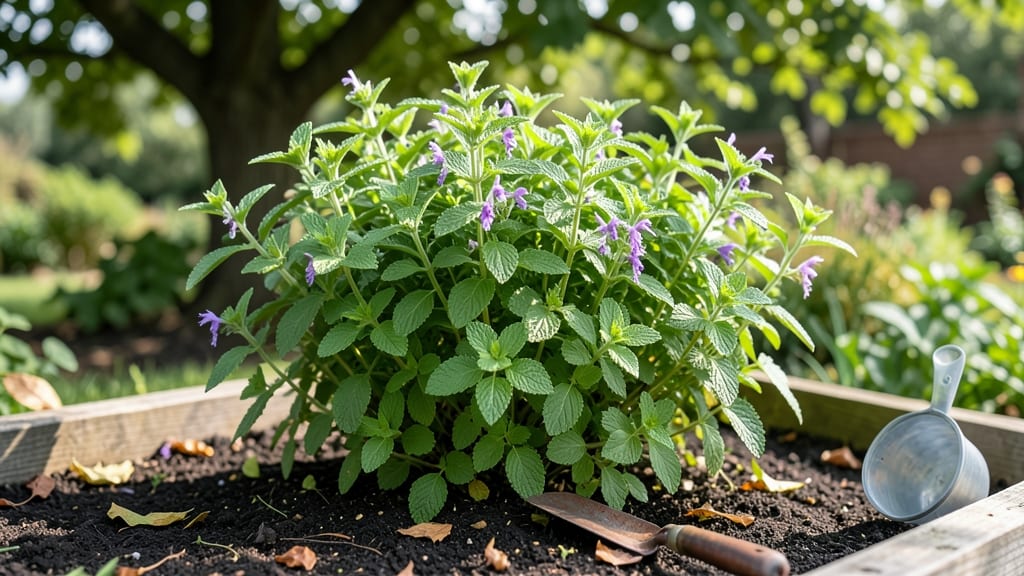
Peppermint is made of hybridized mint leaves from Mentha × piperita, combining Mentha aquatica and Mentha spicata, rich in volatile oils like menthol (30-45%), menthone, and limonene, plus flavonoids and rosmarinic acid for its signature cooling aroma and medicinal properties.
Peppermint's unique composition comes from its hybrid nature, blending two parent species to create a plant with concentrated medicinal compounds. 🌿 The menthol content alone gives it that signature icy kick, while menthone adds depth to its flavor profile.
What's fascinating is how these compounds work together—menthol provides the cooling sensation, while limonene contributes to its refreshing aroma. This botanical blend isn't just about taste; it's why peppermint has been used for centuries in everything from teas to natural remedies.
What many people don't realize is that growing conditions dramatically affect these compound levels. For example, cooler climates tend to produce higher menthol concentrations, while well-drained soil helps maximize overall oil yield.
This is why commercial peppermint farming requires such precise growing conditions—it's not just about having the right plant, but creating the perfect environment for its beneficial compounds to develop fully.
💡 In This Article
- Botanical Composition of Peppermint Leaves
- Cultivating Peppermint for Optimal Active Compounds
Botanical composition of peppermint leaves
The peppermint plant (Mentha × piperita) is a sterile hybrid resulting from a natural cross between water mint (Mentha aquatica) and spearmint (Mentha spicata).
This genetic fusion creates a plant with a unique biochemical profile that produces 30-45% menthol by weight in its essential oils—far higher than either parent species. The menthol biosynthesis pathway begins with geranyl pyrophosphate, which is converted through enzymatic reactions into limonene and ultimately menthol, menthone, and menthyl acetate.
What gives peppermint its signature cooling sensation is primarily the menthol compound, which activates cold-sensitive receptors (TRPM8) in our skin and nasal passages. Menthol's chemical structure allows it to bind to these receptors at concentrations as low as 0.03%, creating that familiar icy tingle.
Meanwhile, menthone contributes to the plant's warm, herbal notes, while limonene (up to 5% of the oil) provides that bright, citrusy aroma. The flavonoids and rosmarinic acid act as antioxidants, protecting the plant and contributing to its medicinal properties.
Environmental factors dramatically influence these compound levels. For instance, peppermint grown in cooler climates (50-65°F) produces 20-30% more menthol than plants cultivated in warmer regions. Soil pH also matters—ideal levels between 6.0-7.0 maximize oil yield, while nutrient deficiencies (especially phosphorus) can reduce menthol content by up to 15%.
This is why commercial farms carefully control irrigation and fertilization to maintain consistent compound profiles.
Light exposure plays a crucial role too. Peppermint thrives in partial shade (4-6 hours of direct sunlight daily)0.2-0.5% essential oil by weight, making it one of the most concentrated natural sources of menthol.
Interestingly, the plant's hybrid nature means it cannot reproduce sexually—it spreads only through rhizome division. This genetic stability helps maintain consistent compound levels across generations, which is why commercial peppermint used in everything from candies to pharmaceuticals comes from carefully maintained clonal lines.
The precise balance of these active compounds is what makes peppermint both a culinary staple and a powerful natural remedy.