
Pests and Diseases
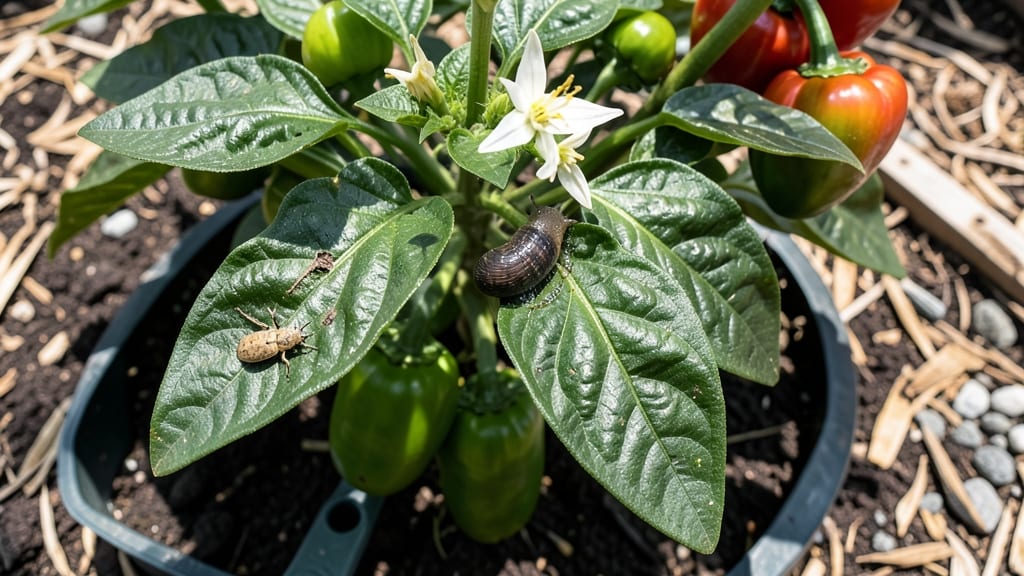
What’s eating your peppers—tiny holes, chewed leaves, or wilting plants? 🌶️ The culprits are sneaky, but I’ve tracked down the most common offenders and how to outsmart them before they ruin your harvest. Squash vine borers drill into stems, while aphids cluster on leaves, leaving sticky residue.
Flea beetles create lace-like damage, and even squirrels can’t resist a ripe pepper. The damage tells the story: squash vine borers leave sawdust-like frass near entry holes, while aphids create curled, yellowed leaves. Flea beetles chew irregular holes, and squirrels leave clean bites with no frass.
Each pest needs a different approach—row covers for borers, neem oil for aphids, and deterrents for critters. You’ll learn to spot the difference in minutes and act fast. A 5-minute inspection at dawn can save your plants.
The right remedy—whether it’s organic spray, companion planting, or physical barriers—stops the damage before it spreads. This works for bell peppers, jalapeños, and hot peppers alike. Let’s get your plants back to thriving!
Root Causes Of Pepper Damage
Peppers are a garden favorite, but their tender leaves, stems, and fruits can attract a variety of pests and pathogens—each with a distinct reason for targeting your plants. Understanding why these critters and diseases strike is the first step to protecting your harvest.
Below, we break down the science behind the most common culprits, from hungry insects to opportunistic microbes.
Pests don’t just randomly munch on your peppers—they’re drawn by specific triggers tied to plant health, environment, and even your gardening habits.
🌱 Overcrowded Or Stressed Plants
Peppers under stress (from drought, poor soil, or overwatering) produce sweeter sap and softer tissues, making them a buffet for pests like: - Aphids: These tiny sap-suckers are drawn to high-sugar plants (stressed or over-fertilized peppers).
They excrete honeydew, which attracts mold and other insects. - Squash Vine Borers: Weak stems (from nutrient deficiencies or transplant shock) are easier for females to lay eggs in. Larvae then burrow inside, cutting off water flow.
Pro Tip: 💡 Space plants 18–24 inches apart and use balanced fertilizer (10-10-10) to avoid attracting pests with excess nitrogen.
🌡️ Warm, Humid Conditions
Many pepper pests thrive in heat and moisture, which accelerate their life cycles:
- Flea Beetles: Active in 80°F+ temperatures, they chew shotgun-like holes in leaves, weakening plants for secondary infections.
- Spider Mites: Drought-stressed peppers trigger their webs and feeding frenzies.
They prefer dry air (below 40% humidity) and low soil moisture.
Pro Tip: 🌡️ Mulch with straw to retain moisture and use shade cloth in peak summer to deter heat-loving pests.
🍃 Poor Garden Hygiene
Debris and old plant matter provide hiding spots and breeding grounds for pests: - Cucumber Beetles: Overwinter in weeds and leaf litter, then migrate to peppers in spring.
They spread bacterial wilt while feeding. - Cutworms: Hide in mulch or soil during the day, then chew stems at night. Dark, damp soil gives them cover.
Pro Tip: ✨ Remove plant debris after harvest and rotate crops yearly to disrupt pest life cycles.
While insects are the obvious villains, fungi and bacteria also feast on peppers—but their damage is often misdiagnosed as pest activity.
💧 Excess Moisture & Poor Airflow
Peppers need well-draining soil, but overwatering or dense foliage creates the perfect storm for: - Powdery Mildew: A fungus that thrives in humid, stagnant air (80%+ humidity).
It coats leaves in white powder, reducing photosynthesis. - Bacterial Spot: Spread by splashing water or infected tools, this bacteria creates water-soaked lesions that look like insect bites but are oozing and scabby.
Pro Tip: 🌬️ Prune for airflow and water at soil level (not overhead) to prevent fungal spores from spreading.
🌿 Weakened Plant Defenses
Peppers with nutrient deficiencies (especially calcium or magnesium) are more susceptible to blossom-end rot and soft rot bacteria, which mimic pest damage:
- Blossom-End Rot: Calcium deficiency causes dark, sunken spots on fruits—often confused with fruit borer damage.
- Soft Rot (Erwinia): Thrives in wounded tissue (from hail, pests, or rough handling), turning peppers mushy and foul-smelling.
Pro Tip: 📊 Test soil pH (aim for 6.0–6.8) and apply crushed eggshells for calcium to fortify plant cell walls.
Sometimes, the "pest" isn’t a living thing—it’s weather, soil, or even wildlife wreaking havoc.
🐾 Wildlife Foraging
- Raccoons & Deer: Tear into peppers for the sweet fruit, leaving ragged, uneven bites (unlike clean insect cuts).
- Birds: Peck at ripe, colorful peppers, especially in early morning or dusk.
Pro Tip: 🎯 Use netting over plants and harvest peppers when they’re still firm to deter wildlife.
🌪️ Hail & Wind Damage
- Hailstones create irregular punctures that look like insect bites but are sharply defined and pain-free for the plant.
- Strong winds can bruise fruits, making them susceptible to rot and secondary infections.
Pro Tip: 🌪️ Stake tall pepper plants and use row covers during storm forecasts to prevent physical damage.
Every pest or pathogen has a specific reason for targeting your peppers—whether it’s stress, moisture, or poor growing conditions. By addressing these root causes, you starve the problem before it starts.
Next up: How to spot the damage and what to do once you find it. 🚀
Quick Fixes for Pepper Predators
Once you’ve identified what’s nibbling on your peppers—whether it’s squash vine borers or aphids—here’s how to tackle the problem fast and keep your plants thriving. Each solution is tailored to the culprit, with easy-to-follow steps and prevention tips to stop future attacks.
These sneaky pests tunnel into stems, so early action is key to save your plants.
🔪 Cut and Treat Infested Stems
- Spot the signs: Look for sawdust-like frass near the base of stems or wilted vines that don’t recover.
- Slice open the stem (wear gloves!) and remove the borer with a knife or tweezers.
- Apply pesticide: Use Bt (Bacillus thuringiensis)—a natural, organic option—or neem oil to kill larvae inside the tunnel.
- Prune damaged areas and dispose of infested plant debris far from your garden to prevent reinfestation.
🌱 Prevent Future Borers
- Rotate crops: Avoid planting squash, cucumbers, or melons in the same spot yearly.
- Use row covers early in the season to block adult moths from laying eggs.
- Plant trap crops like zucchini near peppers to lure borers away.
- Check stems weekly during peak borer season (late spring to early summer).
Aphids multiply fast, but these methods smother, wash, or poison them without harming your peppers.
💦 Blast Them Off with Water
- Hose them down with a strong stream of water (early morning works best).
- Repeat every 2–3 days until they’re gone—aphids reproduce quickly!
- Add a drop of dish soap to water for extra stickiness (1 tsp per gallon).
🍃 Natural Sprays for Long-Term Control
- Neem oil spray: Mix 1 tbsp neem oil + 1 tsp mild soap + 1 quart water.
Spray under leaves where aphids hide. - Garlic or chili pepper spray: Blend 2 garlic cloves + 1 tbsp cayenne + 1 quart water, strain, and spray (aphids hate the smell). - Ladybugs & lacewings: Release beneficial insects (available at garden centers) to eat aphids naturally.
🛡️ Stop Aphids Before They Start
- Inspect new plants before bringing them home—quarantine for a week if needed.
- Encourage predators: Plant dill, fennel, or marigolds to attract ladybugs and parasitic wasps.
- Avoid over-fertilizing with nitrogen—aphids love soft, tender new growth.
No matter the pest, these proactive steps keep your peppers safe:
- Mulch heavily to discourage egg-laying moths (borers) and reduce aphid populations.
- Prune plants for airflow—crowded foliage traps moisture, inviting pests.
- Harvest peppers regularly—ripe fruit deters some pests from laying eggs.
- Clean up debris in fall—last year’s leaves can harbor overwintering pests.
💡 Pro Tip: If pests keep coming back, rotate your defenses—switch between sprays, traps, and natural predators to stay ahead!
Frequently asked questions
Why do my pepper leaves look like Swiss cheese with tiny holes?
Those lace-like holes are classic flea beetle damage. These tiny black beetles chew irregular holes in leaves, especially in hot, dry weather. Check the soil surface at dawn—they hide there during the day. Use row covers or spray with neem oil to deter them.
What’s the difference between squirrel damage and insect damage?
Squirrels leave ragged, uneven bites with no frass (insect poop), while insects create clean, precise cuts. Squirrels target ripe peppers at dawn/dusk, often leaving half-eaten fruits. Use netting or harvest peppers when still firm to deter them.
Can I still save my pepper plant if squash vine borers are inside?
Yes! Cut open the stem (wear gloves!) to remove the borer, then apply Bt (Bacillus thuringiensis) or neem oil to kill larvae. Prune damaged areas and dispose of debris far from your garden. For severe cases, propagate from healthy stems—borers rarely reinfest the same plant.
Why do my peppers get sticky residue after pest attacks?
That sticky honeydew is aphid poop! Aphids feed on plant sap and excrete this sugary substance, which attracts sooty mold. Blast them off with water or spray neem oil. Plant marigolds nearby to attract ladybugs—their natural predators.
How often should I check my pepper plants for pests?
Inspect plants every 2–3 days during peak season (late spring to summer). Focus on undersides of leaves (aphids hide there) and stem bases (borer frass). Morning checks work best—pests are sluggish then. A 5-minute scan can catch problems early!