
Lawn
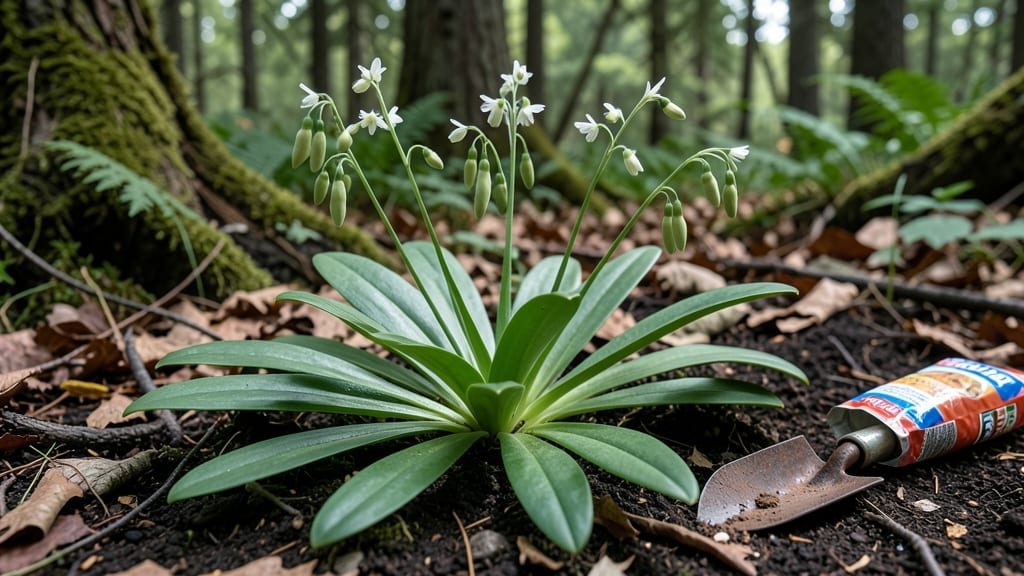
Virginia pepperweed is not edible and poses serious toxicity risks, including liver damage and skin irritation from its high concentration of glucosinolates and potential cyanogenic compounds. Avoid consumption entirely and opt for safe wild greens like dandelion or purslane instead.
Virginia pepperweed contains dangerous compounds that can cause severe health issues.
The glucosinolates in this plant break down into toxic byproducts that may harm your liver, while its potential cyanogenic compounds can trigger digestive distress or allergic reactions. 🔥 Even small amounts can lead to unpleasant symptoms, so it's best to avoid it entirely.
If you're foraging, always double-check plant identification using reliable field guides or apps before consuming anything wild.
Instead of risking Virginia pepperweed, consider safer alternatives like dandelion greens or purslane, which are both nutritious and widely available. These edible wild plants offer similar textures and flavors without the health risks.
When foraging, focus on plants with broad leaves and familiar growth patterns—Virginia pepperweed typically grows in dense patches along roadsides and disturbed areas, making it easy to accidentally misidentify.
💡 In This Article
- Toxic Compounds in Virginia Pepperweed and Health Risks
- Safe Wild Edible Alternatives to Virginia Pepperweed
Toxic compounds in Virginia pepperweed and health risks
Virginia pepperweed (Lepidium virginicum) contains two primary classes of toxic compounds that make it dangerous to consume: glucosinolates and potential cyanogenic glycosides. These compounds are naturally occurring plant defenses that become activated when plant tissues are damaged, such as during chewing or cooking.
The glucosinolates—specifically those containing sulfur—break down into isothiocyanates, which are known to irritate the digestive tract and may cause liver stress in high doses. 🔥
The cyanogenic glycosides, if present, can release hydrogen cyanide when metabolized, a compound that disrupts cellular respiration and oxygen transport in the body. Studies on related mustard family plants (Brassicaceae) show that even small amounts can trigger symptoms like nausea, vomiting, or skin irritation in sensitive individuals.
The plant's high concentration of these compounds—particularly in its leaves and stems—means that accidental ingestion could lead to unpleasant or even dangerous reactions, especially for children or those with compromised liver function.
What makes Virginia pepperweed particularly risky is its resemblance to edible greens like mustard or watercress. Its smooth, slightly hairy leaves and peppery aroma might fool foragers into mistaking it for a safe harvest.
However, the bitter, pungent taste that develops when chewed is a red flag—this is your body's warning that the plant contains toxic compounds. Unlike mild-tasting edible greens, Virginia pepperweed leaves often leave a lingering, unpleasant aftertaste that signals its toxicity. 💫
Botanical research highlights that these compounds can also cause dermatitis in some individuals, particularly those with sensitive skin. Handling the plant without gloves may lead to redness, itching, or blistering, especially if the skin is broken.
The risk isn't just limited to consumption—even prolonged exposure can trigger allergic reactions. This dual threat (internal and external) underscores why Virginia pepperweed should be avoided entirely, even if you're only brushing against it while foraging.
To put this into perspective, consider that 1 cup (30g) of raw Virginia pepperweed could contain enough glucosinolates to cause mild to moderate digestive upset, while larger quantities might lead to more severe symptoms. For comparison, edible mustard greens contain glucosinolates too—but in much lower, safer concentrations.
The key difference lies in the toxicity threshold: what's safe in mustard becomes dangerous in Virginia pepperweed due to its higher compound levels and potential cyanogenic content.
The liver bears the brunt of the damage from these compounds. Glucosinolate byproducts can induce oxidative stress in liver cells, potentially leading to inflammation or long-term damage with repeated exposure.
This is why health experts categorize Virginia pepperweed as a high-risk plant for foragers, especially in regions where it grows abundantly along roadsides or disturbed soils. If you suspect accidental ingestion, seek medical attention immediately—symptoms can escalate quickly, particularly in children or individuals with pre-existing liver conditions. ✨