
Picking
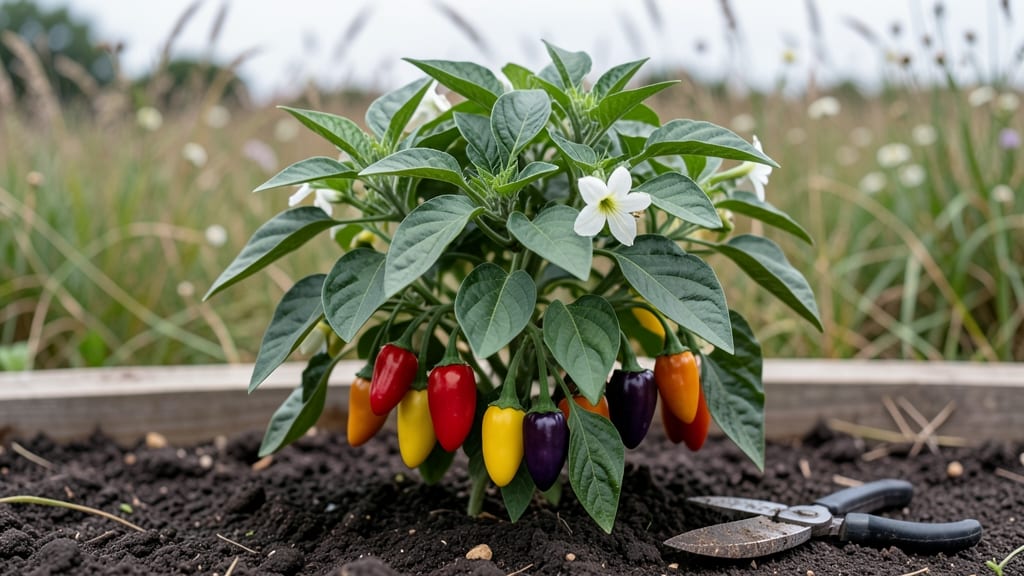
Growing Sweety Drop peppers feels like unlocking a secret garden treasure—these tiny, sweet peppers pack a flavor punch without the heat. 🌱 I’ve grown them in my heat-zone garden for three summers now, and they’ve become my go-to for snacking straight off the vine or stuffing into mini pizzas.
The key to their success? Matching their love for warmth with the right soil, spacing, and care.
These compact plants thrive in full sun and well-draining soil with a pH between 6.0 and 6.8. Start seeds indoors 8-10 weeks before your last frost, then transplant after all danger of frost has passed.
Sweety Drops love heat but hate soggy roots—water deeply 1-2 times per week, letting the top inch of soil dry out between waterings. A 3-foot spacing between plants keeps them from competing for nutrients, and they’ll reward you with 60-90 days of harvests.
What makes them special? Their sweet, fruity flavor stays consistent even as they ripen, and they produce dozens of peppers per plant in warm climates. Watch for common pests like aphids or spider mites—neem oil or insecticidal soap keeps them at bay.
Harvest when peppers are 2-3 inches long for the best flavor, and pinch off early blooms to encourage bushier growth.
Perfect for small gardens, containers, or even as a patio plant—these peppers prove you don’t need a big space for big rewards. Whether you’re a first-time grower or a seasoned pro, Sweety Drops are a foolproof way to enjoy homegrown goodness all season long. Let’s get those seeds started!
📚 In This Guide
- What you need
- Instructions
- Tips and common mistakes
- Wrapping up and next steps
What you need
- ● Sweety Drop Pepper Seeds – 5–10 seeds (or 1–2 plants if buying starts; these peppers are hot but sweet!)
- ● Containers or Garden Beds – 5–6 inch pots (if container gardening; ensure drainage holes!)
- ● Well-draining soil mix (60% potting soil + 40% perlite/compost)
- ● Sunlight Access – Minimum 6–8 hours of direct sunlight daily (south-facing windows or grow lights work for indoors).
- ● Watering Can or Hose – With a gentle spray nozzle to avoid disturbing roots.
- ● Fertilizer – Balanced 10-10-10 fertilizer (during planting)
- ● Low-nitrogen 5-10-10 fertilizer (when flowers appear)
- ● Pruning Shears – For trimming excess leaves or dead growth.
- ○ Support Stakes or Cages (optional but helpful for taller plants).
- ● Grow Lights – LED full-spectrum bulbs for 12–16 hours/day if natural light is limited.
- ● Mulch – Straw or shredded leaves to retain moisture and suppress weeds.
- ● pH Test Kit – Ideal soil pH for peppers: 6.0–6.8.
- ● Insecticidal Soap or Neem Oil – For pest control (aphids, spider mites love peppers too!).
- ● Harvest Basket or Gloves – To protect your hands from the spicy goodies!
Step-by-step guide for growing Sweety Drop peppers in heat zones
Here’s how to cultivate these sweet, prolific peppers—perfect for warm climates and containers.
🌱 Step 1: Select the Right Variety and Start Seeds Early
Sweety Drop peppers thrive in heat zones 9-11 but can be grown year-round in zones 7-8 with proper protection. Start seeds 8-10 weeks before the last frost (or 6-8 weeks before transplanting if growing in warm climates). These peppers germinate best at 75-85°F, so use a seedling heat mat if your home stays cooler.
Sow seeds ¼ inch deep in sterile seed-starting mix—never garden soil, which can harbor diseases. Place 2-3 seeds per cell in a 2-3 inch deep tray to ensure at least one strong sprout. Keep the soil consistently moist (not soggy) until germination, which typically takes 7-14 days. Real talk: if you’re impatient, a clear humidity dome speeds things up by trapping warmth.
☀️ Step 2: Provide Full Sun and Warmth for Strong Seedlings
Once seedlings emerge, move them to a south-facing window or under grow lights for 14-16 hours of light daily. Without enough light, seedlings stretch leggy and weak—you’ll know they’re struggling if stems grow thin and pale with leaves spaced far apart. Use a full-spectrum LED grow light 2-4 inches above the plants and raise it as they grow.
Keep soil warm (70-80°F) and water from the bottom to avoid fungal issues. Fertilize lightly with a balanced liquid fertilizer (10-10-10) when true leaves appear (not the first tiny cotyledons). Overfertilizing now burns tender roots—stick to half-strength solution until seedlings are 4-6 inches tall.
🪴 Step 3: Transplant to Containers or Garden Beds
Sweety Drop peppers grow well in containers (5-gallon minimum) or garden beds with well-draining soil. If transplanting outdoors, wait until nighttime temperatures stay above 55°F—these peppers hate cold snaps and may drop flowers or fruit if shocked. Harden off seedlings by placing them outside in partial shade for 1-2 hours daily, gradually increasing exposure over 7-10 days.
Space plants 18-24 inches apart in the ground or use one pepper per 5-gallon container. They’re prolific producers, so give them room to sprawl. Mix compost into the soil for nutrients and add a slow-release fertilizer at planting. The key here: warm soil speeds up fruiting, so mulch with straw or black plastic to maintain 70°F+ root zone temperatures.
💧 Step 4: Water Deeply and Prune for Maximum Yield
Water deeply once a week (or more in 100°F+ heat), ensuring top 2 inches of soil stay dry between waterings. Sweety Drops are drought-tolerant but produce better with consistent moisture. Water at the base of the plant to avoid wetting leaves, which prevents blossom-end rot and fungal diseases. You’ll know your watering is right when leaves stay deep green and no wilting occurs midday.
Prune suckers (side shoots) regularly to direct energy into fruit production. These peppers are indeterminate, meaning they keep growing and producing all season. Pinch off lower leaves to improve airflow and reduce disease risk. Harvest peppers when 3-4 inches long for peak sweetness—leaving them too long makes them mealy or bitter.
✂️ Step 5: Extend the Season with Protective Measures
In zones 7-8, use frost cloth or row covers to protect plants in winter. Sweety Drops can produce year-round in heat zones 9-11 with minimal care—just keep soil warm and watered. If growing in containers, move pots to a sheltered spot during cold snaps. In extreme heat (above 95°F), provide afternoon shade to prevent sunscald on fruits.
Fertilize lightly every 4-6 weeks with a low-nitrogen, high-phosphorus blend (like 5-10-10) to boost fruiting. Watch for aphids or spider mites—spray with neem oil at the first sign of pests. With the right care, one plant yields dozens of peppers per season, making them one of the most rewarding heat-zone crops.
Tips & tricks for perfect Sweety Drop pepper cultivation
Here's what nobody tells you about growing these heat-loving peppers—lessons I learned after a few too many failed batches.
Germination Success: The 75-85°F germination range is non-negotiable, but here's the secret: pre-warm your seed-starting mix by placing the tray in a sunny window for 24 hours before sowing. This creates the perfect environment from day one. I also recommend using a clear humidity dome to maintain consistent moisture—those 7-14 days of waiting will go faster when you're not constantly checking for dry soil.
Lighting Strategy: When you're providing 14-16 hours of light daily, don't just focus on quantity—quality matters too. Position your grow lights 2-4 inches above seedlings and adjust as they grow. I've found that using a timer for 16 hours (with 8 hours of darkness) mimics natural cycles better than continuous lighting. Watch for those telltale signs of weak seedlings: pale stems and widely spaced leaves mean your light isn't strong enough.
Transplanting Timing: The 55°F nighttime temperature threshold is crucial, but don't rush the hardening process. Start with just 1-2 hours of partial shade exposure and gradually increase over 7-10 days. I've seen too many gardeners skip this step and end up with shocked plants that drop flowers. Pro tip: transplant in the late afternoon when temperatures are cooler—this gives roots a better chance to establish overnight.
Season Extension: In zones 7-8, frost cloth works wonders, but here's a trick I picked up: layer the frost cloth with a second layer of row cover during the coldest nights. This creates an extra insulating barrier while still allowing light and air circulation. For extreme heat above 95°F, I've found that using shade cloth with 30% coverage during peak afternoon sun prevents sunscald without sacrificing too much light for photosynthesis.
Pro Tips for Sweety Drop Peppers
- Here's what nobody tells you about growing these heat-loving peppers—lessons I learned after a few too many failed ba...
- Germination Success: The 75-85°F germination range is non-negotiable, but here's the secret: pre-warm your seed-start...
- Lighting Strategy: When you're providing 14-16 hours of light daily, don't just focus on quantity—quality matters too...
Frequently asked questions
How long does it take for Sweety Drop Peppers to mature?
These peppers are fast growers! From seed, expect 60–70 days to harvest when fully ripe (bright red or yellow). If starting with transplants, you’ll see peppers in 45–60 days. Patience pays off—wait for the full sweetness!
Can I grow Sweety Drop Peppers in containers?
Absolutely!
These compact plants thrive in 5-gallon pots or larger with well-draining soil. Just ensure they get 6–8 hours of sun daily and keep soil moist (not soggy). Containers work great for patios or small spaces!
Why aren’t my Sweety Drop Peppers fruiting?
Common culprits include insufficient sunlight (they need full sun!), overwatering (let soil dry slightly between waterings), or lack of pollination. Give them a gentle shake or hand-pollinate with a brush if indoors.
Are Sweety Drop Peppers spicy?
Nope—zero heat!
Despite their name, they’re mildly sweet (0–500 Scoville units) and perfect for fresh snacking, salads, or roasting. Great for kids or spice-averse growers!
What’s the best companion plant for Sweety Drop Peppers?
Pair them with basil, onions, or spinach to deter pests and boost flavor. Avoid planting near fennel or brassicas (like broccoli), as they compete for nutrients.
Can I grow Sweety Drop Peppers in cold climates?
Start indoors 8–10 weeks before last frost or use a greenhouse/row cover to extend the season. These peppers love warmth but can tolerate brief chills (50°F+) once established.
Wrapping up and next steps
Sweety Drop peppers thrive when you embrace their heat-zone needs and adapt your care to the seasons! Whether you're a seasoned gardener or just starting, these vibrant peppers reward patience and attention with bold flavors and stunning yields. 🌱🔥
Ready to take your harvest to the next level? Start by experimenting with container sizes or testing microclimates in your garden—small tweaks can make a big difference. Grab your gloves, get growing, and enjoy the sweet (and spicy!) journey ahead!