
Vegetables
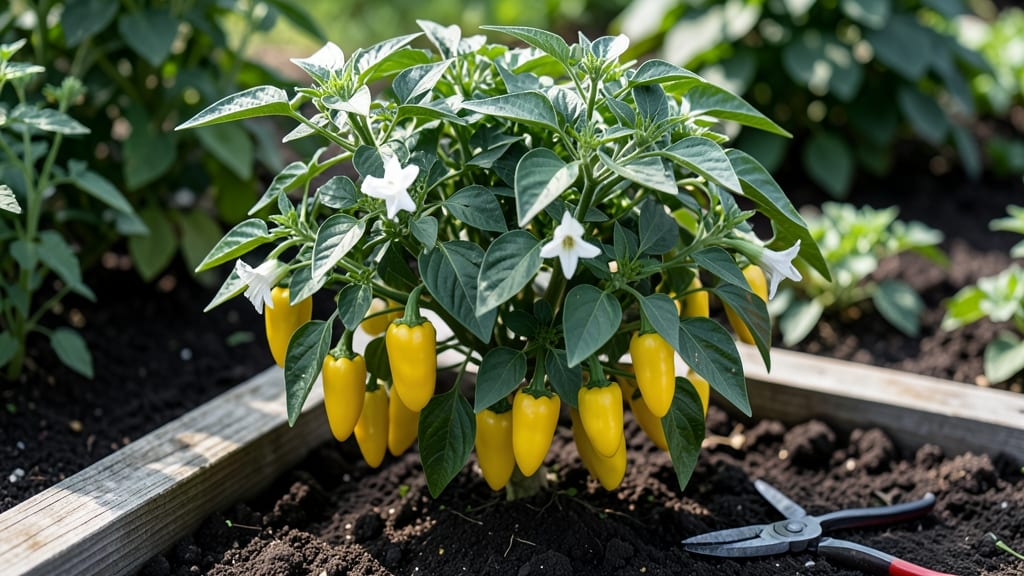
Growing spicy yellow peppers like Yellow Wax or Lemon Drop is a game-changer for any garden—imagine the zingy heat of your favorite hot sauce, but fresh from your own plants. 🌶️ These vibrant peppers thrive in warm climates and pack a punch without the bulk of traditional red peppers, making them perfect for sauces, pickles, or just snacking straight off the vine.
Start with well-draining soil rich in organic matter, and plant in full sun where temperatures stay above 65°F. Water consistently but avoid soggy roots, and fertilize lightly with a balanced mix every 4-6 weeks. The secret to extra heat?
Prune aggressively to focus energy on fruit production, and harvest early to encourage more peppers. Even if you’ve killed plants before, these peppers are surprisingly forgiving—and the payoff is worth it.
📚 In This Guide
- What you need
- Instructions
- Tips and common mistakes
- Wrapping up and next steps
What you need
- ● Spicy Yellow Pepper Seeds: Choose heat-resistant varieties like ‘Lemon Drop’, ‘Yellow Wax Pepper’, or ‘Lemon Pepper’. Buy 5–10 seeds for a small harvest or 20+ for a bountiful garden. 🌶️
- ● Seed Starting Mix: 1–2 bags (10–20 quarts) of high-quality, sterile potting mix (e.g., Miracle-Gro Seed Starting Potting Mix).
- ● Containers or Seed Trays: Biodegradable peat pots (3–4 inches deep) or small plastic pots (for seedlings).
- ● 1–2 large containers (5+ gallons each) or garden beds (if planting directly outdoors).
- ● Spray Bottle: For gentle watering of seedlings.
- ● Grow Lights or Sunny Window: A full-spectrum LED grow light (12–16 hours/day) or a south-facing window for seedlings.
- ● Trowel or Transplanter: For digging small holes when transplanting seedlings.
- ○ Gloves: Optional but helpful for handling spicy peppers (they can irritate skin!).
- ● Pruning Shears: Small, sharp shears for trimming excess foliage or dead leaves.
- ● Fertilizer: Balanced liquid fertilizer (e.g., 10-10-10) for seedlings.
- ● Low-nitrogen, high-phosphorus fertilizer (e.g., 5-10-10) for flowering plants.
- ● Mulch: Straw or shredded leaves to retain moisture and suppress weeds.
- ● Warmth: Spicy yellow peppers thrive in temperatures between 70–90°F (21–32°C). Use a heat mat (70–85°F) for seedlings.
- ● Sunlight: At least 6–8 hours of direct sunlight daily (indoors or outdoors).
- ● Well-Draining Soil: Amend garden soil with compost or use a pepper-specific potting mix for containers.
- ● Patience: Spicy peppers take 70–90 days to mature—plan accordingly! ⏳
- ● Cage or Trellis: To support tall varieties like ‘Lemon Drop’.
- ● Shade Cloth: For hot climates (30–50% shade during peak sun).
- ● pH Test Kit: To ensure soil pH is 6.0–6.8 (peppers prefer slightly acidic soil).
- ● Companion Plants: Basil, marigolds, or onions to deter pests.
Step-by-Step instructions for growing spicy yellow peppers
Here's how I grow fiery yellow peppers that thrive in hot climates—no wilting or fading heat in sight.
🌱 Step 1: Start Seeds Indoors 8-10 Weeks Before Last Frost
Fill small seedling pots with sterile seed-starting mix and plant seeds ¼ inch deep. I like to use peat pots because they dissolve when transplanting, so roots stay intact. Keep the soil warm—peppers need 70-80°F for germination, so a seedling heat mat speeds things up.
Cover the pots with plastic wrap to trap moisture, then place them under grow lights (14-16 hours daily). Peppers hate leggy growth, so keep lights 2-3 inches above the seedlings. You'll see sprouts in 7-14 days—don't be impatient and move them too soon.
☀️ Step 2: Harden Off and Transplant After All Frost Risk Passes
Once seedlings have 4-5 true leaves and are 3-4 inches tall, start hardening them off. Place them outside in partial shade for 1 hour the first day, then gradually increase time over 7-10 days. This toughens stems so they don’t snap when exposed to full sun.
Transplant after the last frost when soil is at least 65°F. Space plants 18-24 inches apart in full sun—they need 6+ hours of direct light daily. Bury stems deeper than the pot to encourage strong root growth. Water deeply right after planting to settle the soil.
💧 Step 3: Water Deeply and Fertilize for Maximum Heat
Yellow peppers love moisture but hate soggy roots. Water 1-2 inches per week, letting the soil dry slightly between waterings. I mulch with 2-3 inches of straw to retain moisture and keep roots cool. Overwatering causes blossom-end rot, so check soil moisture with your finger—it should feel dry 1 inch down before watering again.
Fertilize every 4-6 weeks with a balanced 10-10-10 or tomato/vegetable mix. I switch to a low-nitrogen, high-phosphorus fertilizer when flowers appear to boost fruit production. Yellow peppers need consistent feeding to develop their signature heat.
✂️ Step 4: Prune and Support for Heavy Harvests
Prune suckers (the shoots that grow in the leaf axils) to direct energy into fruit production. I remove the first few suckers when plants are 12-18 inches tall, then prune lightly to maintain an open shape. This prevents overcrowding and improves airflow, reducing disease risk.
Stake or cage plants early—yellow peppers grow heavy, and unsupported branches break easily. I use 5-6 foot bamboo stakes tied loosely with soft twine. Harvest peppers when they’re 3-4 inches long and fully yellow for the best heat. Regular picking encourages more fruit to set.
🌿 Step 5: Extend the Season with Proper Care
As temperatures drop below 50°F at night, protect plants with row covers or move containers to a sheltered spot. Yellow peppers are heat-tolerant but still need warmth to ripen. I also stop fertilizing 4-6 weeks before frost to let peppers mature fully.
Harvest any remaining green peppers before frost—they’ll ripen indoors if placed in a sunny window. Store peppers in a cool, dry place (50-55°F) to preserve heat levels. With the right care, you’ll get a bold harvest of spicy yellow peppers even in hot summers.
Tips & tricks for growing fiery yellow peppers
These practical insights will help you cultivate bold, heat-packed yellow peppers that stand out in any garden.
Soil Temperature is Everything: Those 70-80°F soil temps in Step 1 aren't just suggestions—they're non-negotiable for germination. I've seen seeds fail to sprout when soil was even just 10°F cooler. If your home stays chilly, consider using a seedling heat mat or placing pots on top of your fridge (not inside!) to maintain consistent warmth. The first 7-14 days are critical—don't rush this step.
Lighting Strategy for Strong Seedlings: The 14-16 hours of grow light in Step 1 should be consistent daily lighting, not just sunlight hours. I use LED grow lights on a timer to maintain this schedule even when natural light fades. Keep them 2-3 inches above seedlings—any closer and you'll scorch the leaves, any farther and you'll get leggy, weak plants that flop over when transplanted. Adjust height weekly as seedlings grow.
Transplanting Hack: When burying stems deeper than the pot in Step 2, I make a small slit in the root ball first. This encourages roots to grow outward into the surrounding soil rather than staying compacted. Also, transplant on a cloudy day or in late afternoon to reduce stress from direct sun exposure. The 65°F minimum soil temp is crucial—cold soil shocks roots and delays establishment.
Fertilizer Timing Matters: The switch to low-nitrogen, high-phosphorus fertilizer when flowers appear in Step 3 is your signal to focus on fruit production. I've found that adding a handful of bone meal to the planting hole at transplant time gives an extra phosphorus boost right when plants need it most. And remember: 4-6 weeks between feedings is ideal—over-fertilizing burns roots and reduces heat levels in the peppers.
Pro Tips for Spicy Yellow Pepper
- These practical insights will help you cultivate bold, heat-packed yellow peppers that stand out in any garden.
- Soil Temperature is Everything: Those 70-80°F soil temps in Step 1 aren't just suggestions—they're non-negotiable for germination.
- Lighting Strategy for Strong Seedlings: The 14-16 hours of grow light in Step 1 should be consistent daily lighting, not just sunlight hours.
Frequently asked questions
Got questions about growing or using spicy yellow peppers? You’re not alone! Here are answers to the most common queries—from heat tolerance to harvest tips—to help you cultivate a fiery (and flavorful) garden.
What makes spicy yellow peppers different from other hot peppers?
Spicy yellow peppers (like Yellow Reaper or Lemon Drop) pack Scoville heat units (SHU) of 50,000–100,000+ while retaining a bright, citrusy flavor. Unlike classic red jalapeños or habaneros, their yellow hue comes from carotenoids, and they often mature slower, delivering prolonged heat.
How hot is too hot for spicy yellow pepper plants?
Most varieties thrive in 70–90°F (21–32°C) days but can handle brief 100°F (38°C) spikes with proper care. Heat stress (wilting, fruit drop) occurs above 95°F (35°C). Use shade cloth in peak summer or grow in containers for mobility. Drip irrigation keeps roots cool!
When should I expect my spicy yellow peppers to mature?
Timing varies by variety, but most take 90–120 days from transplant to harvest. Early blooms (60–70 days) may yield smaller, milder peppers, while full-sized fruit (1–3 inches) hits peak heat. Patience pays off—wait for vibrant yellow color before picking!
Can I substitute spicy yellow peppers with other hot peppers?
Yes! For heat, swap with habaneros (similar SHU) or ghost peppers (for extreme fire). For flavor, try yellow wax peppers (milder, tangy) or serrano peppers (bright, medium heat). Adjust ratios—start with half the amount of a milder pepper to match spice levels.
Why are my spicy yellow peppers turning black or moldy?
Black spots or mold usually signal fungal issues (like anthracnose) from overwatering or humidity. Fix it by:
Harvest peppers as soon as they ripen to prevent overripening. Blanch whole peppers for 2 minutes, then freeze in bags. Thaw and use in salsas, stews, or hot sauces—their heat mellows slightly but flavor stays bold. Label bags with Scoville ratings to avoid kitchen surprises!
Pro Tip: Freeze excess spicy yellow peppers!
Wrapping up and next steps
Growing spicy yellow peppers is a rewarding journey—whether you're chasing that fiery kick or just love vibrant flavors!
With the right heat-resistant varieties and a little care, you’ll soon be harvesting bold, sun-kissed peppers straight from your garden. Now’s the time to roll up your sleeves, plant those seeds, and watch your culinary adventures take off!
Ready to dive in? Start by selecting your favorite variety—like the Yellow Wax or Lemon Drop—and get those seedlings in the ground before the next heatwave hits. Happy growing! 🌱🔥