
Shrubs
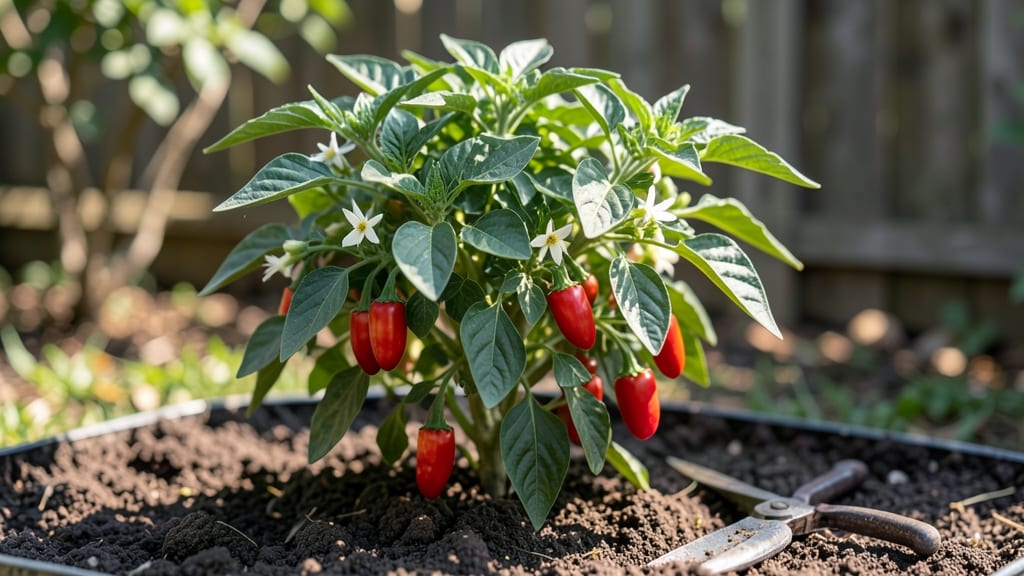
If you're looking for small red pepper names that pack big flavor, Shishito, Cherry Belle, and Thai chilies should top your list. 🌶️ These tiny powerhouses bring heat, sweetness, and versatility to any garden—whether you're grilling skewers, stuffing peppers, or blending into sauces.
Each variety grows easily in containers or garden beds, making them perfect for small spaces or first-time growers.
Shishito peppers are the mild crowd-pleasers, with a subtle sweetness and rare, mild heat (about 1/10th the burn of a jalapeño). Cherry Belle peppers offer a sweeter, crunchier bite, while Thai chilies deliver a fiery kick (30,000–50,000 Scoville units) with a fruity depth.
All three thrive in warm climates but can be grown in cooler zones with proper season extension.
You’ll love how these peppers transform from tiny buds into glossy, vibrant fruits in just 60–90 days. Shishito and Cherry Belle produce prolifically, while Thai chilies yield fewer but more potent peppers. The best part? They’re disease-resistant and attract pollinators, making them low-maintenance stars in any garden.
Once you try growing these, you’ll want to experiment with recipes or expand your collection. Start with Shishito for beginner-friendly fun, then branch out to the others.
For more tips on cultivation or container growing, check out our guide on how to grow small red peppers—it’s a game-changer for small-space gardeners.
📚 In This Guide
- What you need
- Instructions
- Tips and common mistakes
- Wrapping up and next steps
What you need
- ● Seeds or seedlings: Shishito, Thai chili, or cherry pepper seeds (or young plants from a nursery). Aim for 3-5 plants for a small harvest.
- ● Well-draining potting mix: A 5-gallon bag of organic soil blend (e.g., Miracle-Gro or homemade compost + perlite).
- ● Containers or garden bed: For containers: 5-7” pots (1 per plant) with drainage holes.
- ● For in-ground: A sunny spot (6+ hours/day) with loose, fertile soil.
- ● Fertilizer: Balanced organic fertilizer (e.g., 10-10-10) or compost tea. Apply every 4-6 weeks.
- ● Watering can or hose: With a gentle spray nozzle for consistent moisture (avoid soggy soil!).
- ● Gloves: Lightweight gardening gloves (peppers can be spicy—handle with care! 🌶️).
- ● Pruning shears: For trimming leggy stems or dead leaves.
- ○ Stakes or cages (optional): If your peppers grow tall (e.g., Thai chilies), use 3-4 ft stakes for support.
- ○ pH test kit (optional): To check soil acidity (ideal range: 6.0–6.8).
- ● Patience & sunlight: Peppers thrive in warmth (70–90°F) and full sun—plan for a 90–120-day growing season!
- ● Knife & cutting board: A sharp chef’s knife for harvesting.
- ● Taste testers (volunteers!): Not all small red peppers are mild—always sample first (some Thai chilies pack heat!).
- ○ Labeling tags (optional): To track varieties (e.g., "Shishito" vs. "Thai Bird’s Eye").
How to identify and grow small red peppers by variety
Let’s break down the three most popular small red peppers—Shishito, Cherry, and Thai Chili—and how to grow each for optimal flavor and yield.
🌱 Step 1: Choose Your Variety Based on Heat and Flavor
Shishito peppers are mild, slender, and slightly sweet, with a 0-10,000 Scoville heat level—perfect for blistering or stuffing. Their dark green skin turns a deep red when fully ripe, and they thrive in warm climates. I always plant them in full sun because they need 8-10 hours of direct light to develop their signature flavor.
Cherry peppers, on the other hand, are compact and round, with a heat range of 0-5,000 Scoville—ideal for fresh eating or pickling. They ripen in clusters, turning from green to bright red, and prefer well-draining soil to prevent blossom-end rot. Thai Chilies are the spiciest of the trio, with 50,000-100,000 Scoville heat, and grow in long, tapered pods that turn deep red when mature. They need consistent warmth—below 60°F, growth slows dramatically.
☀️ Step 2: Plant in the Right Conditions for Each Type
All three varieties need full sun, but their soil preferences differ slightly. Shishito and Cherry peppers tolerate slightly cooler soils (down to 55°F), while Thai Chilies struggle below 65°F. I always amend the soil with compost to ensure nutrients are available—these peppers are heavy feeders, especially when fruiting.
For Shishito and Cherry peppers, space plants 12-18 inches apart to allow airflow and prevent disease. Thai Chilies, being more compact, can grow 8-12 inches apart. If growing in containers, use at least 5-gallon pots—smaller pots restrict root growth and reduce yield. Mulch with straw or grass clippings to retain moisture, especially in hot climates where soil dries quickly.
💧 Step 3: Water and Fertilize for Optimal Fruit Production
Consistent moisture is key—1-1.5 inches of water per week—but avoid wetting the leaves to prevent fungal diseases like powdery mildew. I water at the base of the plant in the morning so excess moisture evaporates by evening. Shishito and Cherry peppers benefit from balanced fertilizer (10-10-10) every 4-6 weeks, while Thai Chilies respond better to low-nitrogen, high-phosphorus fertilizer to encourage flowering and fruiting.
Watch for yellowing leaves—a sign of overwatering or nutrient deficiency. If the lower leaves yellow first, it’s usually overwatering; if the newer leaves yellow, it’s often nitrogen deficiency. Adjust watering or fertilizing accordingly. Harvest Shishito and Cherry peppers when they reach 3-4 inches long and turn red for peak flavor. Thai Chilies are ready when they’re fully red and slightly wrinkled—don’t wait too long, or they’ll turn bitter.
✂️ Step 4: Prune and Harvest for Continuous Production
Prune leggy growth and remove suckers (side shoots) to direct energy into fruit production. I pinch off the first few flowers on young plants to encourage stronger root and stem development before heavy fruiting. For all three varieties, harvest regularly—this encourages more blooms and prevents overloading the plant, which can lead to cracked pods.
Shishito peppers are best harvested every 2-3 days during peak production to maintain sweetness. Cherry peppers can be picked less frequently but still benefit from weekly harvesting. Thai Chilies, being more heat-tolerant, can handle slightly longer intervals between harvests but still need regular picking to keep production steady. Store harvested peppers in the fridge for up to 2 weeks or freeze them for later use.
🌿 Step 5: Troubleshoot Common Issues Variety-Specific
Shishito peppers are prone to blossom-end rot if calcium levels are low—add crushed eggshells to the soil to prevent this. Cherry peppers often crack if watered inconsistently, so mulch heavily to stabilize soil moisture. Thai Chilies, being more sensitive to temperature, may drop buds if nights dip below 60°F—use row covers in early spring to protect them.
Pests like aphids and spider mites love all three varieties, so I spray neem oil preventatively every 2 weeks during growing season. If you notice stunted growth, check for root-knot nematodes—a common issue in warm climates. Rotate crops annually to prevent soil-borne diseases from building up.
Tips & tricks for growing perfect small red peppers
These variety-specific strategies will help you maximize flavor and yield for Shishito, Cherry, and Thai Chilies.
Sunlight Optimization: While all three varieties need full sun, Thai Chilies are the most sensitive to temperature fluctuations. If you're in a cooler climate, consider using a cloche or cold frame during early growth to maintain soil temperatures above 65°F. I've seen Thai Chilies thrive in 6-8 hours of direct sun when protected from afternoon shade, though they'll still produce best with the full 8-10 hours mentioned in Step 1. For Shishito and Cherry peppers, morning sun exposure is particularly important—their delicate skins can scorch in intense afternoon heat.
Soil Testing Strategy: Before planting, conduct a simple soil test using a home kit to check calcium levels—especially important for Shishito peppers prone to blossom-end rot. If your soil tests low, work in crushed eggshells or oyster shell grit at planting time. For Thai Chilies specifically, aim for a slightly acidic soil (pH 6.0-6.8) to enhance their natural heat production. I've found that mixing in composted pine needles helps maintain this ideal pH without chemical amendments.
Harvest Timing Secret: The color change from green to red isn't the only indicator of ripeness—pay attention to the texture and weight of the peppers. Fully ripe Shishito and Cherry peppers should feel slightly firm when gently squeezed, while Thai Chilies should have a slightly wrinkled surface at the stem end. I harvest mine in the early morning when temperatures are coolest, which helps preserve their vibrant color and crisp texture. For all varieties, use sharp scissors or pruning shears to avoid damaging the plant.
Pest Prevention System: The 2-week neem oil schedule mentioned in Step 5 works wonders, but I've added an extra layer of protection by planting marigolds or basil around the perimeter of my pepper beds. These companion plants naturally repel aphids and spider mites while also improving overall garden health. For container growers, I recommend using organic insecticidal soap every 10 days as a preventative measure—it's more frequent but avoids the need for soil amendments.
Pro Tips for Small Red Pepper Name
- These variety-specific strategies will help you maximize flavor and yield for Shishito, Cherry, and Thai Chilies.
- Sunlight Optimization: While all three varieties need full sun, Thai Chilies are the most sensitive to temperature fl...
- Soil Testing Strategy: Before planting, conduct a simple soil test using a home kit to check calcium levels—especiall...
Frequently asked questions
Got questions about small red peppers? You’re not alone!
Whether you’re growing them, cooking with them, or just curious about their names, here are some of the most common queries—and answers—to help you navigate these fiery little gems.
What’s the difference between shishito, cherry, and Thai chili peppers?
Shishito peppers ( mild, 0-10 Scoville) are long, slender, and often used in Japanese cuisine. Cherry peppers ( 0-5,000 Scoville) are round, sweet, and great for snacking or pickling. Thai chilies ( 50,000-100,000 Scoville) are tiny, hot, and essential in Thai dishes. Flavor and heat vary wildly!
Where can I buy small red peppers, and what’s the best way to store them?
You’ll find shishito and cherry peppers at grocery stores, farmers' markets, or online (check Etsy or specialty seed shops for Thai chilies). Store them in the fridge for 1-2 weeks in a paper towel-lined bag to keep them crisp. For long-term storage, freeze them whole or chop them first—perfect for future stir-fries!
How do I use small red peppers in cooking, and what’s the best way to remove their seeds?
Small red peppers shine in stir-fries, salads, or as a snack (try them roasted with salt!). To remove seeds: slice them open and scrape with a spoon or your fingernail. For Thai chilies, wear gloves—juice gets everywhere! Pro tip: Freeze them whole for 30 mins to soften seeds before scraping.
Can I grow small red peppers at home, and how long does it take?
Plant seeds indoors 8-10 weeks before the last frost, or buy seedlings. They thrive in full sun (6+ hours/day) and well-draining soil. Harvest shishito and cherry peppers in 60-70 days; Thai chilies take 90-120 days. Pinch off flowers early for bushier plants!
What should I do if I accidentally eat a super-hot Thai chili?
Ouch! Don’t drink water—it spreads capsaicin (the compound that burns). Instead, eat dairy (yogurt, milk, cheese) or starchy foods (bread, rice) to bind the heat. If burning persists, try honey or sugar (but avoid oils—they dissolve capsaicin). Stay hydrated and seek help if symptoms worsen!
Wrapping up and next steps
From the mild and playful shishito to the fiery Thai chili🔥, small red peppers add a burst of flavor and color to any dish! Whether you're a gardener, chef, or home cook, these peppers offer versatility—whether you prefer them raw, grilled, or pickled.
Now that you know their names, growing tips, and culinary uses, why not try one in your next recipe?
Ready to explore further? Start by planting a few seeds or visiting your local farmers' market to taste the difference! 🌱