
Vegetables
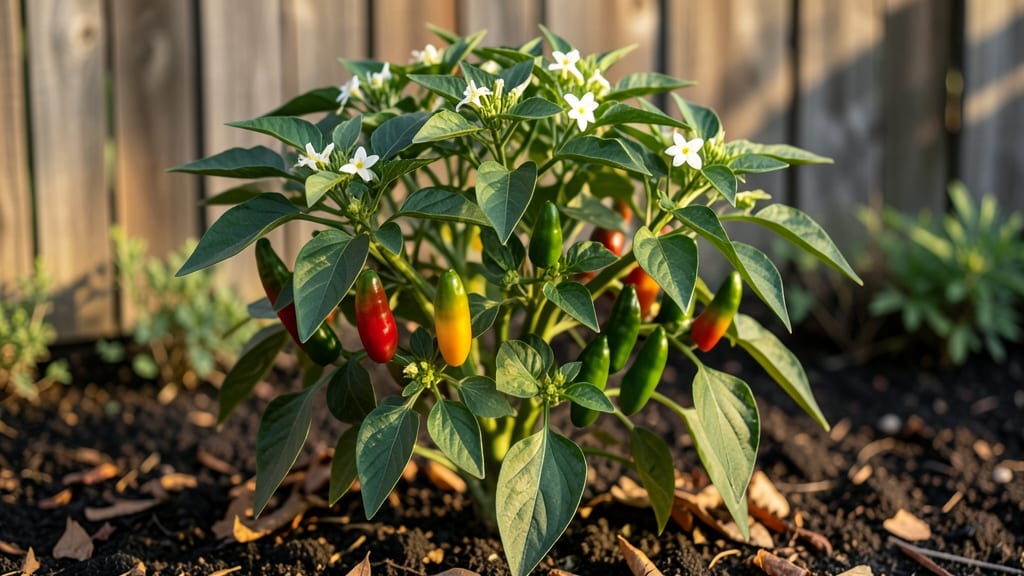
Serrano pepper leaves are the unsung heroes of your garden—packing heat, flavor, and a surprising ability to heal common plant woes before they spiral. 🌱 I’ve saved more than a few struggling plants by diagnosing leaf issues early, and the key is knowing what to look for: yellowing edges, sticky residue, or tiny webs that scream "pest attack" or "nutrient crisis."
Most problems start with simple fixes: adjust watering, add compost, or blast pests off with soapy water. But when bacterial spot or powdery mildew moves in, you’ll need to act fast—prune infected leaves, improve airflow, and treat with neem oil or copper spray.
The good news? Serrano peppers are tougher than they look, and once you spot the early warning signs, you’ll keep your plants thriving all season.
📚 In This Guide
- What you need
- Instructions
- Tips and common mistakes
- Wrapping up and next steps
What you need
- ● Fresh or dried serrano pepper leaves: At least 10–15 fresh leaves (for immediate use) or 5–10 dried leaves (for storage). Organic preference (if possible) to avoid pesticide residues.
- ○ Serrano pepper plant (optional): 1 potted plant (for home gardening) or seeds (if starting from scratch). Well-draining pot (6–8 inches deep) with drainage holes.
- ● Pruning shears or sharp scissors (for harvesting leaves cleanly).
- ● Cutting board + chef’s knife (for prep if using in recipes).
- ● Air-tight container or paper bag (for storing fresh leaves, 2–3 days max).
- ○ Food dehydrator or oven (optional): For drying leaves (120–140°F for 2–4 hours).
- ● Parchment paper to line trays.
- ○ Glass jar with lid (optional): For long-term storage of dried leaves (airtight, cool, dark place).
- ● Potting mix: Well-draining cactus/succulent blend (or add perlite to regular soil).
- ● Sunlight: 6+ hours of direct sun daily (south-facing window or grow lights).
- ● Water: Sparingly—let soil dry completely between waterings (overwatering kills serranos!).
- ○ Fertilizer (optional): Balanced liquid fertilizer (10-10-10) diluted to half-strength, every 4–6 weeks.
Step-by-Step guide to growing serrano pepper leaves
Here's how to cultivate vibrant, heat-packed serrano pepper leaves that'll transform your cooking.
🌱 Step 1: Start Seeds Indoors for Early Growth
Serrano peppers thrive when started indoors 6-8 weeks before your last frost date. Fill small seed-starting pots with sterile seed-starting mix (never garden soil) and plant 2-3 seeds per pot just ¼ inch deep. Keep the soil consistently moist but not soggy—serrano seeds germinate best at 75-85°F.
Place the pots in a warm, bright location or under a grow light positioned 2-3 inches above the seedlings. You'll see first true leaves in 10-14 days. Once they appear, remove the weakest seedling, leaving only the strongest plant per pot. This prevents overcrowding and ensures robust growth.
☀️ Step 2: Provide Full Sun and Consistent Care
After the last frost, transplant seedlings outdoors only when nighttime temperatures stay above 55°F. Serrano peppers crave full sun (6-8 hours daily)—place them in a spot with south or southwest exposure. If your climate is hot, provide afternoon shade to prevent sunburn on young plants.
Water deeply once a week, allowing the top 1-2 inches of soil to dry between waterings. Overwatering leads to root rot, so always check moisture with your finger. Feed plants with a balanced fertilizer (10-10-10) every 4-6 weeks to encourage leafy growth and heat production.
✂️ Step 3: Prune for Bushier Growth and Leaf Production
Pinch off the first flower buds that appear to redirect energy toward leaf growth instead of fruit. Use clean, sharp scissors to snip just above a leaf node. This ensures your plant stays lush and produces more flavorful leaves for cooking.
Regular pruning also improves airflow, reducing the risk of fungal diseases. Trim any yellow or damaged leaves immediately—they drain nutrients and invite pests. Harvest leaves by snipping individual stems just above a leaf node, leaving the rest of the plant intact for continued growth.
💧 Step 4: Maintain Soil Health for Peak Flavor
Serrano peppers prefer well-draining, slightly acidic soil (pH 6.0-6.8). Mulch around the base with 2-3 inches of organic mulch (like straw or shredded leaves) to retain moisture and suppress weeds. Avoid heavy mulch that smothers roots—keep it loose and fluffy.
Monitor for pests like aphids or spider mites, which thrive in dry conditions. Spray plants with neem oil at the first sign of trouble. If leaves start curling or yellowing, adjust watering or check for nutrient deficiencies. Healthy leaves mean bold, aromatic flavor—exactly what you want for your dishes.
Tips & tricks for growing serrano pepper leaves
Here's what I learned after growing these fiery leaves for years—tricks that'll keep your plants thriving and productive.
Germination Secrets: Serrano seeds can be stubborn, so I recommend soaking them in warm water for 12 hours before planting to jumpstart germination. Place the pots in a clear plastic bag to create a mini greenhouse effect—this raises humidity and helps seeds sprout faster. Just remember to remove the bag once sprouts appear to prevent mold.
Heat Management: Serrano peppers love warmth, but they can't handle sudden temperature swings. If nighttime temps drop below 55°F, move your plants to a sheltered spot or cover them with frost cloth. I've seen plants recover from brief cold snaps, but prolonged chilly nights will stunt growth and reduce leaf production.
Pruning for Maximum Leaves: The key to leafy serrano plants is aggressive pruning. In Step 3, when you see flower buds forming, pinch them off immediately—they steal energy from leaf production. Also, trim back any leggy growth by cutting just above a leaf node. This encourages bushier growth and more harvestable leaves over time.
Soil pH Check: Use a simple soil test kit to confirm your soil's pH is between 6.0-6.8 before planting. Serrano peppers are sensitive to alkaline soil, which can cause nutrient deficiencies. If your soil tests too high, mix in sulfur or peat moss to lower the pH gradually. Happy roots mean happy leaves!
Pro Tips for Serrano Pepper Leaves
- Here's what I learned after growing these fiery leaves for years—tricks that'll keep your plants thriving and productive.
- Germination Secrets: Serrano seeds can be stubborn, so I recommend soaking them in warm water for 12 hours before planting to jumpstart germination.
- Heat Management: Serrano peppers love warmth, but they can't handle sudden temperature swings.
Frequently asked questions
Got questions about growing, using, or troubleshooting serrano pepper leaves? You’re not alone! Here are some of the most common queries—plus quick, practical answers to keep your harvest thriving and your cooking exciting.
Can I eat serrano pepper leaves?
Yes!
Serrano pepper leaves are edible and pack a milder, grassy heat compared to the fruit. Use them fresh in salads, as a garnish, or finely chopped into salsas and pestos. Pro tip: Harvest young leaves for the best flavor—older ones can taste bitter.
How do I harvest serrano pepper leaves without harming the plant?
Pinch or snip!
Use clean scissors or fingers to harvest leaves from the outer edges of the plant. Avoid taking more than one-third of the foliage at once to encourage regrowth. Early morning harvests yield the freshest leaves.
What can I substitute if I don’t have serrano pepper leaves?
Try these alternatives:
- Cilantro leaves (for freshness, though no heat)
- Thai basil (slightly peppery flavor)
- Spinach or arugula (for texture, but no heat)
- Dried oregano or marjoram (for warmth, but not fresh)
Why are my serrano pepper leaves turning yellow?
Yellow leaves usually mean overwatering or poor drainage.
Let the soil dry slightly between waterings and ensure pots have drainage holes. Check for pests like aphids or spider mites too—treat with neem oil if needed.
Can I grow serrano pepper leaves indoors?
Absolutely!
Serrano peppers thrive indoors with 6+ hours of sunlight daily (a south-facing window or grow lights work). Use well-draining pots and keep temps between 70–85°F. Rotate the plant weekly for even growth.
Wrapping up and next steps
From bold flavors to surprising health perks, serrano pepper leaves are a hidden gem in the kitchen! 🌱 Whether you’re garnishing dishes, infusing oils, or exploring their culinary magic, these leaves bring a unique twist to your cooking. Don’t let their small size fool you—they’re packed with potential.
Ready to take your dishes to the next level? Start small—try them in a salsa verde or as a zesty garnish—and let your creativity shine. Happy experimenting! 🔥