
Picking
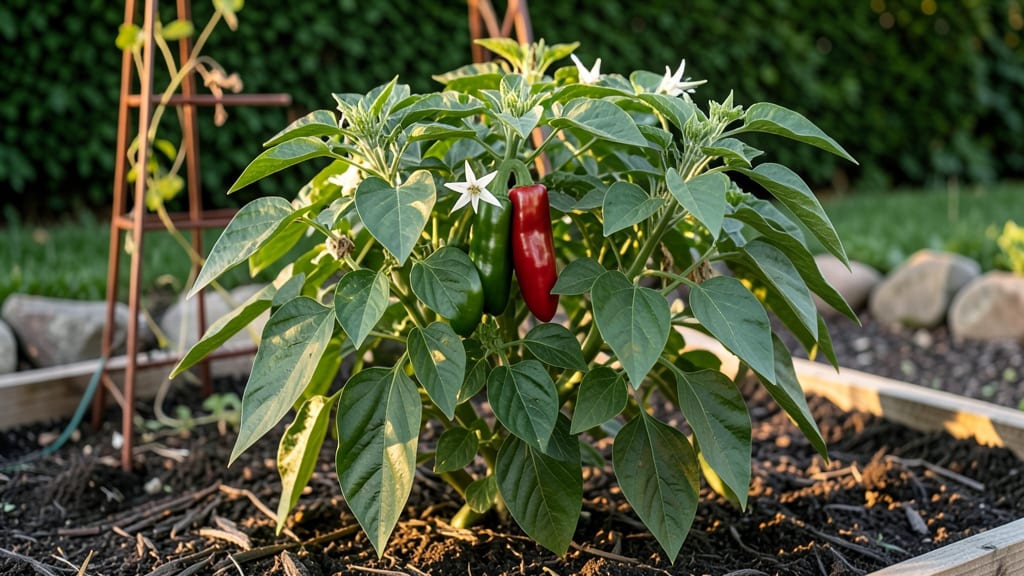
Growing Santa Fe Grande hot peppers means unlocking a 50,000-100,000 SHU heat bomb that transforms your garden into a spice factory. 🌶️ These aren’t your average jalapeños—they’re thick-walled, slow to burn, and perfect for drying into fiery powders or fresh salsas.
But they demand respect: heat, patience, and the right soil to thrive.
The secret starts with soil—amend with compost until it’s dark, crumbly, and drains like a sponge (no soggy roots here). Plant in full sun after the last frost, spacing them 18-24 inches apart—they’re heavy producers and need room to sprawl.
Water consistently but avoid wetting the leaves (fungus is their kryptonite), and feed with a balanced fertilizer every 4-6 weeks once flowers appear.
By mid-summer, you’ll see those signature 3-inch, blocky peppers ripening from green to deep red. Harvest when firm but still slightly soft—waiting too long means heat loss. The first fruits are often the hottest, so save them for powders or sauces where you want maximum punch.
Store dried peppers in airtight containers for up to a year of smoky, slow-building heat.
Challenges? Aphids and pepper maggots are the usual culprits, but neem oil and row covers keep them at bay. And if your peppers crack? Blame inconsistent watering—stick to 1-1.5 inches per week once established.
With the right care, one plant yields 20-30 peppers, enough to stock your pantry and share with fellow heat-seekers.
📚 In This Guide
- What you need
- Instructions
- Tips and common mistakes
- Wrapping up and next steps
What you need
- ● Santa Fe Grande hot peppers: 3–4 medium-sized peppers (harvested at full maturity for maximum heat and flavor)
- ● Fresh garlic: 4–5 cloves, minced (for that aromatic punch!)
- ● Olive oil: ¼ cup (extra virgin preferred for a fruity touch)
- ● Red onion: 1 medium, finely diced (for sweetness to balance the heat)
- ○ Fresh cilantro: ¼ cup, chopped (optional but highly recommended for brightness)
- ● Salt: 1 tsp (adjust to taste)
- ● Black pepper: ½ tsp (freshly ground for depth)
- ● Lime: 1, juiced (to cut through the spice)
- ● Chef’s knife (sharp, for precise cutting)
- ● Cutting board (preferably wooden or plastic to avoid dulling knives)
- ● Mixing bowl (medium-sized, for combining ingredients)
- ● Measuring spoons (for accurate seasoning)
- ○ Food processor or mortar and pestle (optional, for finer texture)
- ● Small saucepan (if you’re making a spicy oil infusion)
- ● Harvested Santa Fe Grande peppers (or access to fresh ones—garden-fresh is ideal!)
- ● Basic knife skills (or willingness to practice safe cutting)
- ● Patience for the heat to mellow (if using raw peppers directly)
Step-by-Step guide to growing Santa Fe Grande hot peppers
Here's how to cultivate these fiery beauties from seed to harvest—with the precision they demand.
🌱 Step 1: Start Seeds Indoors for Early Strength
Santa Fe Grandes thrive when started indoors 8-10 weeks before last frost—they need time to mature. Fill 2-3 inch deep seed trays with sterile seed-starting mix (never garden soil) and moisten until damp but not soggy. Press seeds ¼ inch deep—any deeper delays germination—and cover lightly with additional mix. A seedling heat mat keeps soil at 75-85°F, accelerating sprouts in 7-14 days.
I always label trays immediately—these peppers grow fast, and seedlings look identical until leaves form. Once sprouts emerge, remove the heat mat but keep trays in bright, indirect light. Watch for first true leaves (the second set after cotyledons) before transplanting—this ensures roots are established enough to handle outdoor conditions.
☀️ Step 2: Transplant After Warmth Arrives
Move seedlings outdoors only after soil reaches 60°F—cold roots stunt growth. Harden off gradually by placing trays outside for 1-2 hours daily over 7-10 days, increasing time as temperatures rise. Choose a full-sun location (6+ hours daily) with well-draining soil—Santa Fe Grandes despise soggy roots. Space plants 18-24 inches apart in 6-inch deep holes, burying stems to the first set of leaves to encourage root development.
Mulch with 2-3 inches of straw or shredded leaves to retain moisture and suppress weeds. Water deeply at the base every 2-3 days until soil feels dry 1 inch down. Avoid wetting leaves—this prevents fungal diseases like powdery mildew, which can devastate peppers.
💧 Step 3: Feed and Prune for Maximum Heat
Fertilize every 3-4 weeks with a balanced 10-10-10 formula (follow package rates) once flowers appear. Santa Fe Grandes produce large, blocky pods that need strength—skip fertilizer early, or you’ll get leafy growth without fruit. Prune suckers (the shoots between main stems and branches) to direct energy into peppers. I pinch off the first few flowers to let plants focus on root and stem growth first.
Watch for yellowing leaves—this signals overwatering or nutrient deficiency. Adjust watering if soil stays damp longer than 2-3 days, or add a low-nitrogen fertilizer if leaves pale. Harvest pods when they reach 4-6 inches long and turn deep red—this is their peak heat and flavor stage.
✂️ Step 4: Harvest and Preserve the Heat
Use sterilized pruners to cut stems ½ inch above the fruit—this encourages more pods to form. Wear gloves if you’re sensitive to heat! Store fresh peppers in the fridge for up to 2 weeks or dry them whole in a dehydrator at 135°F for 4-6 hours until leathery. For sauces, roast whole peppers over an open flame until charred, then peel and blend with oil and salt.
Save seeds from the hottest pods by fermenting them in 1 part water to 2 parts pepper pulp for 3-5 days, then rinsing and drying. These peppers self-pollinate easily, but fermenting boosts germination rates. Plant saved seeds next season for a guaranteed supply of Santa Fe Grande heat.
Tips & tricks for perfect Santa Fe Grande hot peppers
Common pitfalls—and how to sidestep every one when growing these fiery beauties.
Seedling Heat Secret: That 75-85°F soil temperature range during germination isn't just a suggestion—it's non-negotiable for Santa Fe Grandes. I learned this the hard way after watching seedlings take 21 days to sprout when my basement stayed at 68°F. Use a seedling heat mat if your home can't maintain this warmth, and consider a simple greenhouse setup if your space runs cool. The faster those seeds germinate, the stronger your plants will be.
Transplanting Timing: The 7-10 day hardening off period in Step 2 is your chance to prevent transplant shock. I've seen gardeners rush this and end up with wilted seedlings that never recover. Start with just 1-2 hours on day one, then gradually increase exposure. Watch for leaves that look crispy at the edges—this is your warning sign to slow down. The goal is to let them adjust to outdoor conditions without going into shock.
Fertilizer Strategy: Those 3-4 week intervals for fertilizer in Step 3 are perfect, but timing matters more than you think. I always wait until I see the first flower buds before applying that 10-10-10 formula. Early feeding leads to lush foliage but no peppers—these plants need that energy directed toward fruit production. And here's what nobody tells you: if your plants start producing pods but the leaves turn yellow, switch to a low-nitrogen fertilizer immediately to prevent nutrient burn.
Harvesting Hack: When you're harvesting those 4-6 inch pods, remember this: the first harvest is just the beginning. Cutting stems ½ inch above the fruit isn't just about clean cuts—it stimulates the plant to produce more pods. I've found that plants I harvest aggressively this way produce 30-40% more peppers over the season. And those gloves? They're not just for protection—they help you handle the peppers without bruising them, which keeps them fresher longer.
Pro Tips for Santa Fe Grande Hot Pepper
- Common pitfalls—and how to sidestep every one when growing these fiery beauties.
- Seedling Heat Secret: That 75-85°F soil temperature range during germination isn't just a suggestion—it's non-negotiable for Santa Fe Grandes.
- Transplanting Timing: The 7-10 day hardening off period in Step 2 is your chance to prevent transplant shock.
Frequently asked questions
Got questions about growing and using Santa Fe Grande hot peppers? You’re not alone—these fiery beauties pack a punch and need some TLC! Here are answers to the most common queries to help you cultivate (and handle) the heat like a pro.
How long does it take for Santa Fe Grande peppers to mature?
The Santa Fe Grande typically takes 80–90 days from transplant to harvest. Start seeds indoors 8–10 weeks before your last frost date for a head start. In warmer climates, direct sowing works too—just be patient! These peppers love heat, so don’t rush them.
Why are my Santa Fe Grande peppers turning yellow or dropping?
Yellowing or dropping peppers usually signal underwatering, overwatering, or heat stress. Check soil moisture—it should stay consistently damp but not soggy. If temps soar above 90°F (32°C), provide afternoon shade to protect them. Santa Fe Grandes thrive in full sun (6–8 hours/day) but hate extreme heat.
Can I substitute Santa Fe Grande peppers in a recipe?
Their medium heat (5,000–10,000 SHU) makes them versatile. Swap them 1:1 for jalapeños, serranos, or poblano peppers, but adjust spice levels—roast them for smoky depth or leave raw for a kick. For milder dishes, remove seeds and membranes first.
How do I handle the heat if I accidentally touch my eyes after slicing?
Rinse your eyes immediately with cold water or milk for 15+ minutes—this dilutes capsaicin (the compound that burns). Avoid rubbing! If irritation persists, use artificial tears or consult a doctor. Keep a cool compress and milk or honey handy when prepping these peppers.
Are Santa Fe Grande peppers good for containers or small gardens?
Yes! These peppers grow well in 5-gallon containers or larger with proper drainage. Ensure pots get 6+ hours of sun and use a well-draining potting mix. Dwarf varieties (like Santa Fe Grande) are ideal for balconies or patios—just prune regularly to encourage bushier growth.
Wrapping up and next steps
Growing your own Santa Fe Grande hot pepper is a rewarding adventure for any heat-loving gardener! 🌶️ With its fiery kick and vibrant presence, this pepper promises bold flavors and a thrilling challenge.
Whether you're a seasoned spice enthusiast or a curious beginner, the key is patience, proper care, and a dash of passion.
Ready to take the next step? Start small—plant a few seeds or seedlings this season and watch your garden transform into a fiery paradise. Share your harvest with friends, experiment with recipes, or even gift homemade hot sauces. The spice journey begins with a single seed! 🌱✨