
Succulent
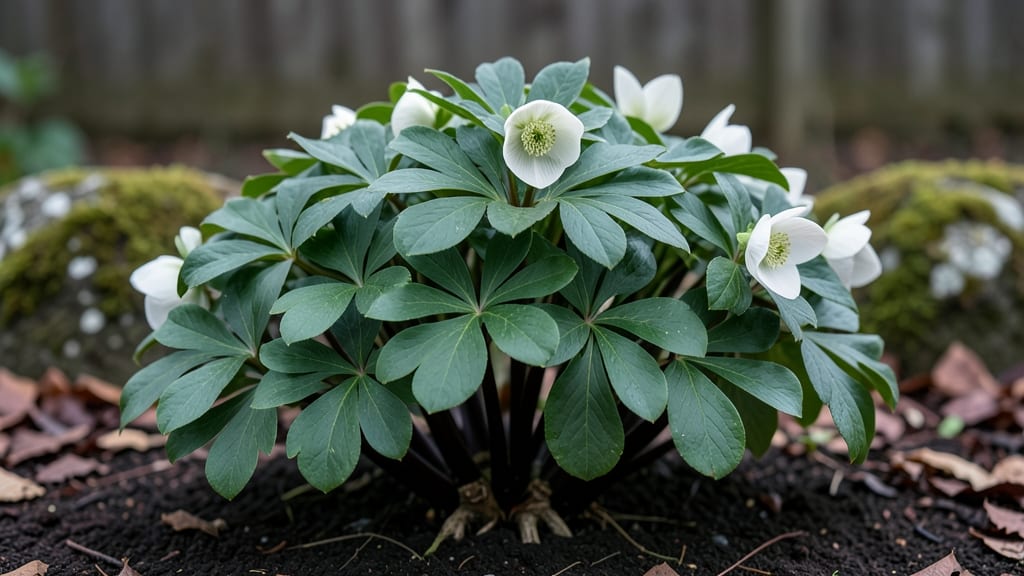
Growing peppermint ice hellebore means winter blooms that smell like a minty breath freshener—even when snow blankets the ground. 🌿 This shade-loving perennial thrives where most plants give up, and its silvery-white, mint-scented foliage makes it a standout in dark corners.
The secret lies in mimicking its natural woodland habitat: moist but well-drained soil, dappled light, and patience for those first delicate flowers to appear in late winter.
Start with a spot that gets morning sun and afternoon shade—this plant hates scorching afternoon rays. Amend heavy clay soil with compost to improve drainage, and mulch with shredded bark to keep roots cool and moist.
Water consistently but avoid soggy soil, which leads to root rot. Once established, it’s nearly drought-tolerant, but those first-year plants need regular moisture to root deeply.
By late winter, you’ll be rewarded with clusters of nodding white flowers that smell like crushed peppermint leaves. The variegated foliage stays stunning year-round, turning a dull shade garden into a fragrant, textured masterpiece.
Prune spent blooms in early spring to encourage more flowers, and divide clumps every 3-4 years to keep them vigorous.
Troubleshooting is easy: yellow leaves mean too much sun, while brown edges signal dry soil. Deer usually leave it alone, but slugs might nibble—just set out a few beer traps if needed.
This hellebore handles zones 4-9, making it one of the most reliable perennials for cold climates. Plant one this fall, and you’ll have winter magic for years.
📚 In This Guide
- What you need
- Instructions
- Tips and common mistakes
- Wrapping up and next steps
What you need
- ● Peppermint Ice Hellebore (Helleborus 'Peppermint Ice'): 1–3 plants (potted or bare-root, depending on preference)
- ● OR seeds (if starting from scratch—germination can take 2–3 months!)
- ● Well-draining potting mix: 1–2 bags (10–15 quarts each) of peat-free mix blended with 30–40% perlite or pumice for aeration
- ● Garden soil (for in-ground planting): Amend with 3–4 inches of compost or well-rotted manure
- ● Containers (if potted): 1–2 10–12-inch diameter pots with drainage holes (terracotta or fabric grow bags work great!)
- ● Basic gardening tools: Trowel or small hand shovel
- ● Garden gloves (to protect from Helleborus’s mild sap)
- ● Watering can or hose with a gentle spray nozzle
- ○ Mulch (optional but recommended): 2–3 inches of organic mulch (e.g., shredded bark, leaf mold, or straw) to retain moisture and suppress weeds
- ● Slow-release fertilizer: A balanced 10-10-10 or organic option (like fish emulsion) to boost early growth
- ● Shade cloth: If your garden gets morning sun, use 30–50% shade fabric to protect young plants
- ● Fungicide (preventative): Copper-based spray to ward off powdery mildew in humid climates
- ● Decorative rocks or pebbles: For a polished look around potted hellebores
Step-by-step guide to planting and caring for peppermint Ice hellebore
Here's how to grow these fragrant, shade-loving blooms with minimal fuss.
🌱 Step 1: Choose the Perfect Planting Spot
Peppermint Ice Hellebore thrives in partial to full shade, making it ideal for woodlands, under trees, or north-facing gardens. I always look for spots with 4-6 hours of dappled sunlight daily—direct afternoon sun can scorch the delicate blooms. Test your site by observing how light filters through trees or nearby structures during the growing season.
This hellebore tolerates USDA zones 4-9, but I’ve found it handles winter best with a layer of 2-3 inches of mulch (like shredded leaves or bark) to insulate roots. Avoid soggy soil—these plants hate "wet feet" and will rot if drainage is poor. Amend heavy clay with compost to improve aeration.
🪴 Step 2: Plant at the Right Depth and Spacing
Dig holes twice as wide as the root ball but only as deep as the container’s root base. Hellebores resent being buried too deep, which can cause crown rot. Gently loosen the roots if they’re circling in the pot before placing them in the hole. I always tap the soil around the roots to eliminate air pockets while keeping it loose.
Space plants 12-18 inches apart—closer spacing works in shade, but give them more room in brighter spots. Water deeply after planting to settle the soil and remove any air gaps. You’ll know moisture is right when the soil feels damp 2 inches down but not soggy. Mulch immediately to retain moisture and suppress weeds.
☀️ Step 3: Water and Fertilize for Strong Growth
Keep soil consistently moist but never waterlogged—1 inch per week is ideal, adjusting for rain. I water in the morning so foliage dries quickly, preventing fungal issues. These plants are drought-tolerant once established but bloom best with steady moisture. Let the top 1-2 inches of soil dry slightly between waterings to encourage deep root growth.
Feed lightly in early spring with a balanced 10-10-10 fertilizer at half-strength. Too much nitrogen makes leaves lush but reduces blooms. I skip fertilizer in fall to let plants harden off for winter. Deadhead spent blooms only if they look unsightly—hellebores self-clean naturally, and seed pods add winter interest.
✂️ Step 4: Prune and Divide for Long-Term Health
Prune only to remove yellowed or damaged leaves in early spring. Hellebores are tidy plants that rarely need shaping. I avoid cutting back foliage until new growth appears—old leaves protect the crown and photosynthesize until spring. If your plant looks crowded after 3-4 years, divide in early fall when growth slows.
To divide, dig up the clump, separate sections with a clean knife, and replant immediately. Each division needs at least 3-5 leaves to recover. I’ve found Peppermint Ice Hellebore divides easily—it’s one of the hardiest hellebores for propagation. Water divisions well for the first 2 weeks to reduce transplant shock.
🌿 Step 5: Protect from Pests and Winter Challenges
Hellebores are deer-resistant, but slugs and snails may nibble new leaves. I use copper tape barriers around young plants or handpick pests at dusk. Avoid chemical sprays—they can harm beneficial insects. In winter, add a 4-inch layer of mulch if temperatures dip below 10°F to prevent freeze-thaw damage.
Watch for leaf spot fungus if humidity is high. Improve airflow by spacing plants properly and removing debris. If you notice brown spots, prune affected leaves immediately and water at the base (not overhead) to keep foliage dry. With proper care, Peppermint Ice Hellebore rewards you with 3-4 weeks of fragrant blooms from late winter to early spring.
Tips & tricks for perfect peppermint Ice hellebore growth
These simple strategies will help you coax the most vibrant blooms from your shade garden's star.
Lighting Insight: That 4-6 hours of dappled sunlight is crucial—think of it like a morning coffee break for your plants. I've noticed the most fragrant blooms come from spots where light filters through trees in the morning but disappears by midday. If your garden gets only 3 hours of light, consider supplementing with a small grow light for 2-3 hours daily during winter months when natural light is scarce.
Soil Secrets: Before planting, mix in a handful of perlite or coarse sand into your soil to improve drainage—this is especially important if you have heavy clay. I've seen too many hellebores suffer from root rot because they were planted in soil that didn't drain properly. Test your soil's moisture by squeezing a handful—it should hold together but not be dripping wet when you release it.
Mulching Mastery: The 2-3 inches of mulch isn't just for winter protection—it's a year-round moisture regulator. In summer, mulch helps keep roots cool while preventing soil from drying out too quickly. I like to use shredded hardwood bark because it breaks down slowly and adds organic matter to the soil as it decomposes. Just remember to keep mulch 2-3 inches away from the plant crown to prevent rot.
Division Timing: That 3-4 year mark for dividing isn't set in stone—watch your plant's health instead. If you notice fewer blooms or crowded leaves, it's time to divide. I've successfully divided some plants after just 2 years when they were clearly overcrowded. The key is to do it in early fall when the plant is slowing its growth naturally, giving it time to establish before winter.
Pro Tips for Peppermint Ice Hellebore
- These simple strategies will help you coax the most vibrant blooms from your shade garden's star.
- Lighting Insight: That 4-6 hours of dappled sunlight is crucial—think of it like a morning coffee break for your plants.
- Soil Secrets: Before planting, mix in a handful of perlite or coarse sand into your soil to improve drainage—this is especially important if you have heavy clay.
Frequently asked questions
Is Peppermint Ice Hellebore really hard to grow?
Not at all! This hellebore is low-maintenance and thrives in partial to full shade, making it perfect for under trees or north-facing gardens. Just keep soil consistently moist (but not soggy) and protect it from harsh winter winds. Pro tip: Mulch in fall to insulate roots—these plants reward patience with stunning winter blooms!
When is the best time to plant Peppermint Ice Hellebore?
Plant in early fall or late winter for the best results. This gives roots time to establish before summer heat or winter freezes. Avoid planting in peak summer—the soil stays too dry, and transplant shock can occur. Bonus: Container-grown hellebores can be planted year-round (except in frost).
How cold can Peppermint Ice Hellebore tolerate?
These hardy plants handle USDA Zones 4–9 with ease, surviving temps down to -20°F (-29°C). In colder zones, mulch heavily (3–4 inches) to protect roots. Watch out: While they’re frost-resistant, wet snow can damage blooms—gentle brushing usually restores them.
Can I grow Peppermint Ice Hellebore in containers?
Containers are great for hellebores, especially in urban gardens or rentals. Use a well-draining mix (add perlite or grit) and a pot with drainage holes. Choose 12–14 inches wide for mature plants. Pro move: Group containers to create a "shade microclimate" and extend bloom time.
Why aren’t my hellebores blooming?
Hellebores often skip blooming if they’re overcrowded, underwatered, or getting too much sun. Check these fixes:
- Divide clumps every 3–4 years in early spring.
- Ensure 6+ hours of shade (even dappled light is fine).
- Water deeply 1–2x/week (more in containers).
What’s the difference between Peppermint Ice and other hellebores?
Peppermint Ice stands out with its minty-scented foliage and pale pink buds that age to white. Unlike Lenten hellebores (which bloom early spring), it flowers late winter to early spring and has semi-evergreen leaves. Fun fact: Its fragrance repels deer—ideal for problem areas!
Wrapping up and next steps
Ready to bring a touch of fresh, minty charm to your shady garden? The peppermint ice hellebore is a dream plant for adding vibrant color and texture to low-light spaces—without the fuss! 🌿 With its cold-hardy nature and minimal care needs, it’s perfect for both novice and seasoned gardeners alike.
Now that you’re equipped with the how-tos and answers to common questions, why not take the next step? Start by picking a spot in your garden or balcony this weekend, grab a plant (or seeds!), and let nature do the rest. Your shady corners will thank you!