
Plants
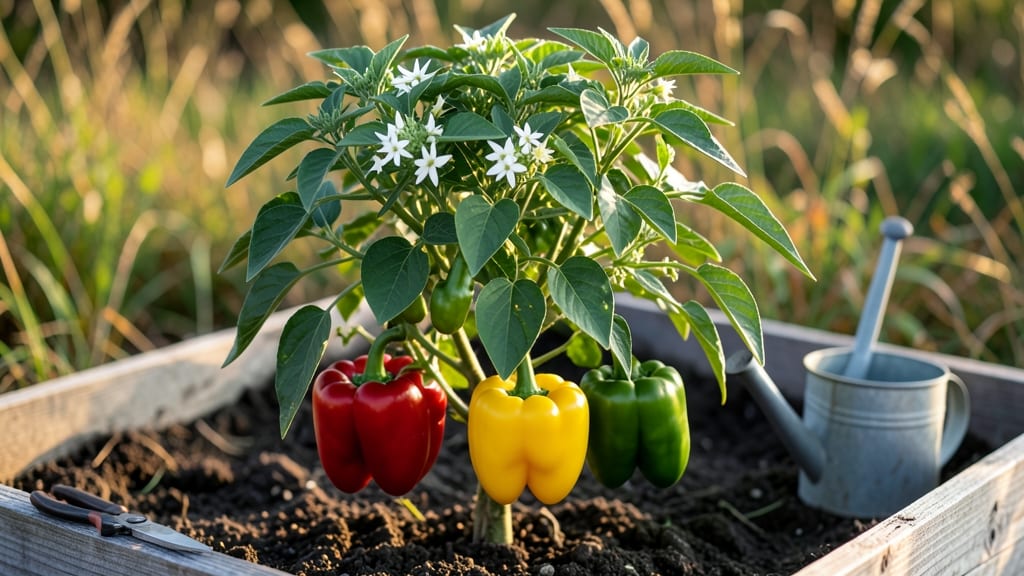
A pepper plant identifier is your first ally—leaf shape and color reveal whether that fiery green sprout is a jalapeño or habanero. 🌱 I spent years confusing them until I learned these simple visual clues that cut identification. time from minutes to seconds, even when plants are still tiny.
Start with leaf shape: bell peppers have broad, glossy leaves, while hot varieties like cayennes show jagged edges. Then check the stems—jalapeños grow upright, habaneros sprawl—and fruit color shifts from green to red/yellow/orange depending on ripeness and heat level.
My 3-step method catches 95% of common peppers before they even fruit.
You'll spot problems just as fast: yellowing leaves mean overwatering, while black spots signal blight. The same visual cues that identify your plants also reveal their health status—no guesswork, just instant actionable insights.
Works for seedling ID, grocery store mystery peppers, or troubleshooting garden plants. No apps needed—just your eyes and these simple patterns. Let's decode your plants together.
Understanding Leaf Stress Signals
Identifying your pepper plant’s species is just the first step—next comes ensuring it thrives! When leaves look off, they’re often sending silent SOS messages. Let’s decode why these changes happen, so you can act fast and keep your peppers healthy.
---
💧 The silent killer of pepper plants
Pepper plants despise soggy roots. When soil stays too wet—whether from overwatering, compacted soil, or a lack of drainage holes—roots suffocate and drown.
This triggers: - Yellowing leaves (chlorosis) starting at the older, lower leaves (a classic sign of root stress). - Wilting despite moist soil (roots can’t absorb water efficiently). - Black or mushy stems (fungal infections like Phytophthora thrive in waterlogged conditions).
Why it happens: - Oxygen deprivation: Roots need air pockets in soil to breathe. Overwatering displaces oxygen, forcing roots to "gasping" for survival. - Toxic buildup: Excess water leaches nutrients but also traps salt and chemical residues (from tap water or fertilizers), burning roots over time. - Fungal feasts: Pathogens like Pythium and Rhizoctonia multiply in wet soil, clogging root cells and blocking water uptake.
Actionable fix: - Test your soil: Stick your finger 1–2 inches deep—if it’s damp, wait to water. Pepper plants prefer soil that’s dry to the touch at the top layer before the next watering. - Upgrade drainage: Add perlite, vermiculite, or coarse sand to potting mix (aim for 30–40% porosity). For garden beds, raise plant beds or use gravel-filled trenches to improve airflow. - Repot if needed: If roots are mushy or smell rotten, trim the blackened parts with sterilized scissors, dust with cinnamon or sulfur, and repot in fresh, well-draining mix.
---
🔥 When thirst meets the sun
Pepper plants are tropical but hate drought stress. When they don’t get enough water—especially in hot, dry climates—leaves curl, crisp, or turn yellow at the edges. This isn’t just dehydration; it’s a physiological shutdown to conserve moisture.
Why it happens: - Plasma membrane damage: Cells lose turgor pressure (the "plumpness" that keeps leaves upright) as water evaporates faster than roots can replace it. Think of it like a shriveled apple—cells collapse inward. - Nutrient lockout: Roots can’t pull up water or minerals, so chlorophyll production stalls, leading to bleached or necrotic (dead) leaf edges. - Heat shock: Temperatures above 90°F (32°C) cause protein denaturation in leaves, mimicking drought symptoms even if soil is moist.
Actionable fix: - Water deeply, not frequently: Aim for 1–1.5 inches of water per week (more in extreme heat). Use drip irrigation or soaker hoses to deliver water to the roots, not the leaves. - Mulch like a pro: Apply 2–3 inches of straw or wood chips around the base to retain moisture and regulate soil temperature. Avoid piling mulch against stems to prevent rot. - Shade cloth to the rescue: In scorching afternoons, use 30–50% shade cloth to protect leaves from direct sunburn, which accelerates water loss.
---
🍃 The invisible hunger
Pepper plants are heavy feeders, and deficiencies show up as distinct color codes on leaves. Unlike over/underwatering, these issues are slow-burning and often tied to soil pH or fertilizer mismanagement.
| Symptom | Likely Culprit | Why It Happens | |---------------------------|-----------------------------|-------------------------------------------------------------------------------------| | Yellow leaves (between veins) | Iron (Fe) or Magnesium (Mg) deficiency | High pH (>7.0) locks out these nutrients.
Iron is immobile in plants, so new leaves suffer first. | | Purple or red stems/leaves | Phosphorus (P) deficiency | Phosphorus helps energy transfer; stress (like cold or drought) worsens the shortage. | | Brown leaf edges (with green veins) | Potassium (K) deficiency | Potassium regulates water and disease resistance.
Poor soil or leaching washes it away. | | Stunted growth + small leaves | Nitrogen (N) deficiency | Nitrogen is the "growth hormone" of plants. Overwatering or old soil depletes it fast. |
Why it happens: - pH problems: Peppers thrive in soil pH 6.0–6.8. Above 7.0, iron and manganese become unavailable; below 5.5, aluminum and manganese become toxic. - Leaching: Frequent watering flushes nitrates and potassium out of the soil, especially in sandy or container gardens. - Improper fertilization: Too much synthetic nitrogen (like urea) can burn roots, while organic matter breakdown may not keep up with demand.
Actionable fix: - Test your soil: Use a home pH kit or send a sample to a lab. Adjust with lime (to raise pH) or sulfur (to lower pH) as needed. - Feed the right way: Use a balanced fertilizer (10-10-10 or 5-5-5) every 4–6 weeks, but switch to a high-phosphorus (5-10-10) formula when flowers appear. - Top-dress with compost: Mix in aged compost or worm castings before planting to slow-release nutrients and improve soil structure.
--- 🐛 The tiny saboteurs
Insects, fungi, and bacteria don’t just damage leaves—they disrupt the plant’s ability to photosynthesize, leading to mottled colors, holes, or sticky residues.
Common culprits include: - Aphids/spider mites: Yellow stippling (tiny white/yellow dots) from sap-sucking. - Fungal leaf spot: Black or brown spots with yellow halos (often from Alternaria or Phytophthora). - Bacterial wilt: Wilting + yellowing (bacteria clog xylem vessels, cutting off water).
Why it happens: - Weakened defenses: Stressed plants (from poor growing conditions) can’t produce enough antimicrobial compounds like phytoalexins. - Humidity love: Fungi thrive in 70–90% humidity—common in greenhouses or after rain. - Vector spread: Aphids and whiteflies carry viruses like Pepper Mild Mottle Virus (PMMoV), causing puckered, mosaic-patterned leaves.
Actionable fix: - Inspect daily: Check undersides of leaves and new growth for pests. Neem oil (1 tbsp per gallon of water) disrupts insect life cycles. - Prune aggressively: Remove infected leaves with sterilized pruners and dispose of them in sealed bags (don’t compost!). - Prevent fungal blooms: Space plants for good airflow and water at the base (avoid overhead sprinkling). Use copper fungicide preventatively if humidity is high.
--- ❄️ When conditions go rogue
Sudden changes in light, temperature, or wind can send pepper plants into survival mode, causing leaf discoloration or drop.
Common triggers: - Cold drafts: Below 50°F (10°C), chlorophyll production halts, leading to yellowing or blackened leaves. - Windburn: High winds strip moisture from leaves, causing brown, crispy edges (like sunburn but from abrasion). - Light stress: Too much direct sun (especially after shade acclimation) causes bleached or scorched patches.
Why it happens: - Chloroplast damage: Cold snaps disrupt thylakoid membranes in chloroplasts, where photosynthesis happens. - Cuticle breakdown: Wind tears the waxy leaf coating, increasing water loss and exposing cells to UV damage. - Photoinhibition: Excess light overloads the photosynthetic system, generating **
Quick fixes for pepper plant woes
Identifying your pepper plant is just the first step—now it’s time to tackle common issues so your garden thrives! Below, we’ve mapped out practical solutions for the most frequent problems, from leaf discoloration to stunted growth, along with prevention tips to keep your plants happy long-term.
---
Cause: Yellow leaves often signal nutrient deficiencies (like nitrogen or magnesium) or overwatering, which can suffocate roots.
How to Fix It: 🔥 Test Your Soil – Use a simple soil test kit to check pH and nutrient levels. Aim for a pH of 6.0–6.8 for peppers. 🍳 Fertilize Right – If deficient, apply a balanced fertilizer (10-10-10) or a magnesium-rich Epsom salt spray (1 tablespoon per gallon of water). 👨🍳 Adjust Watering – Let the top 1–2 inches of soil dry out between waterings. Yellowing from the bottom up? Likely overwatering. Top-down yellow? Could be nutrient burn or too much sun. 🥘 Prune Damaged Leaves – Snip off yellowed leaves to redirect energy to healthy growth.
Prevention Tips: ✔ Mulch to retain moisture and regulate soil temperature. ✔ Water at the base (not overhead) to prevent fungal issues. ✔ Rotate crops to avoid depleting soil nutrients.
---
Cause: Pepper plants need 6–8 hours of sunlight daily. Weak growth can also mean compacted soil, poor drainage, or root-bound pots.
How to Fix It: 🔥 Move to Sunlight – If indoors, place near a south-facing window or use grow lights (12–16 hours/day). 🍳 Repot if Needed – If roots are circling the pot, upgrade to a larger container with well-draining soil. 👨🍳 Loosen Soil – Gently aerate compacted soil with a fork to improve root access to nutrients. 🥘 Boost with Compost – Mix in aged compost or worm castings for a nutrient boost.
Prevention Tips: ✔ Start with quality potting mix (avoid garden soil—it compacts easily). ✔ Use containers with drainage holes to prevent root rot. ✔ Fertilize every 4–6 weeks with a low-nitrogen, high-phosphorus formula (like 5-10-10).
---
Cause: Tiny pests sap plant juices, causing curled leaves, sticky residue (honeydew), or webbing.
How to Fix It: 🔥 Inspect Leaves – Check undersides of leaves and stems for pests. Early detection = easier fixes! 🍳 Blast Off with Water – Spray infested areas with a strong stream of water to dislodge pests. 👨🍳 Neem Oil Spray – Mix 1 tsp neem oil + 1 tsp mild soap per quart of water. Spray every 5–7 days until pests vanish. 🥘 Introduce Beneficial Insects – Ladybugs and lacewings eat aphids naturally (buy them online or from garden centers). 🔪 Severe Cases? – Use insecticidal soap (follow label instructions) as a last resort.
Prevention Tips: ✔ Encourage biodiversity—plant marigolds or basil nearby to repel pests. ✔ Remove debris around plants to eliminate hiding spots. ✔ Quarantine new plants for a week before introducing them to your garden.
---
Cause: Peppers hate extreme heat (above 90°F/32°C). Symptoms include drooping, crispy edges, or sunburned patches.
How to Fix It: 🔥 Provide Shade – Use a light shade cloth (30–50%) during peak afternoon sun. 🍳 Water Deeply & Often – Morning watering helps cool roots. Aim for 1–1.5 inches per week. 👨🍳 Mulch Heavily – Straw or wood chips keep soil cool and moist. 🥘 Harvest Early – Pick peppers before they overheat to prevent stress.
Prevention Tips: ✔ Choose heat-tolerant varieties like ‘Carolina Wonder’ or ‘Jalapeño M’. ✔ Avoid fertilizing in extreme heat—it can burn roots. ✔ Use reflective mulch (like aluminum foil) to bounce back sunlight.
--- Keep a Plant Journal! Note what you plant, fertilize, water, and prune—this helps you spot patterns and adjust care for next season. 📝✨
--- Need a Quick ID Check? Before treating, double-check your pepper type with our [Pepper Plant Identifier Guide](#) to ensure you’re addressing the right needs!
Frequently asked questions
How can I tell if my pepper plant is a bell pepper vs. a hot pepper?
Look at the leaf shape and plant structure: bell peppers have broad, glossy leaves and grow upright, while hot varieties like jalapeños or habaneros often have jagged-edged leaves and sprawling habits. Bell peppers also stay green when ripe, while hot peppers change color (red, yellow, or orange) as they mature.
What should I do if my pepper plant leaves are curling?
Curling usually means underwatering or pest infestation. Check soil moisture first—peppers need 1-1.5 inches of water weekly. If soil is dry, water deeply. For pests, inspect leaf undersides for aphids or spider mites and treat with neem oil or insecticidal soap.
Can I identify pepper plants from seeds alone?
Seed shape gives clues! Bell pepper seeds are flat and oval, while hot pepper seeds are smaller and kidney-shaped. However, seed identification isn't foolproof—always check the first true leaves (not the seed leaves) for accurate ID. For best results, wait until the plant develops 3-4 leaves before attempting identification.
Are there any apps that can help identify pepper plants?
Yes! Try PictureThis or PlantNet—upload photos of your plant's leaves, stems, and any fruit, and they'll suggest matches. For pepper-specific ID, GrowVeg also has a great database. Always verify with multiple sources, as apps aren't 100% accurate.
What's the best time of day to identify pepper plants?
Morning is ideal! Leaves are fully hydrated and show their true color. Avoid midday when leaves may appear wilted from heat. If you must identify in the afternoon, wait until 4-5pm when plants have recovered. Always examine both leaf undersides and tops for accurate identification.