
Picking
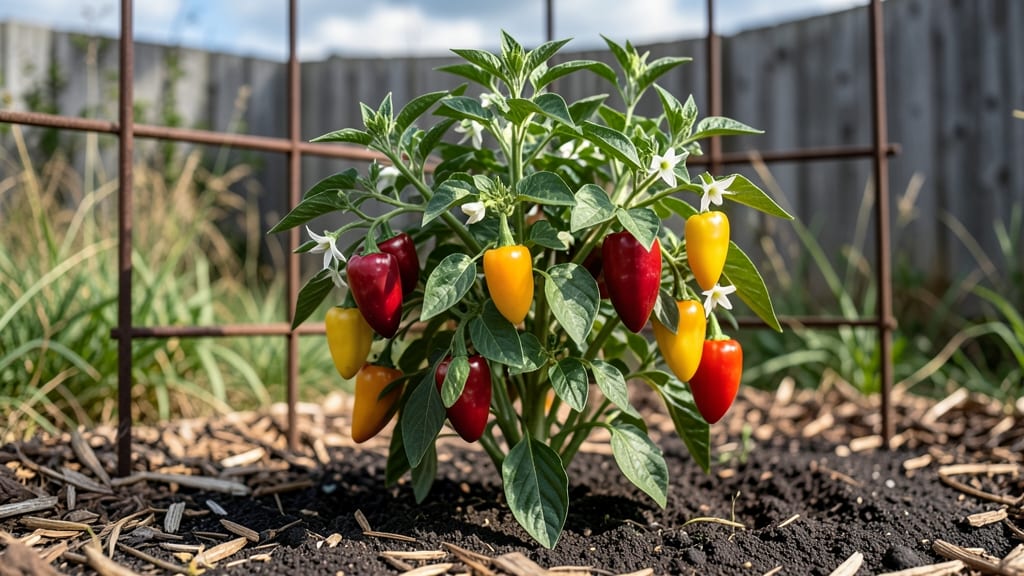
Growing the Wicked ornamental pepper is like adding a pop of fire to your garden without the heat. 🌶️✨ This plant isn’t just for show—its deep purple, almost black fruits turn bright red when ripe, making it a standout in containers, borders, or mixed beds.
Unlike its spicy cousins, this variety is completely edible (though mild), so you get both beauty and a harvest.
Start with well-draining soil and a spot that gets 6-8 hours of sun daily—partial shade works, but the fruits won’t be as vibrant. Plant seeds indoors 8-10 weeks before your last frost or buy transplants in spring.
The key to keeping it thriving? Consistent moisture—let the top inch of soil dry out between waterings, but never let it bone-dry. Mulch helps retain moisture and keeps roots cool.
By midsummer, you’ll have a bush 3-4 feet tall with glossy leaves and clusters of those dramatic fruits. Prune lightly to shape it or encourage bushier growth, but avoid cutting back too late—you’ll sacrifice fruit production.
The best part? Deer and rabbits usually leave it alone, making it a low-maintenance star for pollinators too.
Use it as a container centerpiece, a striking border plant, or even in hanging baskets—just ensure the pot has drainage. If you want to try growing it from seed next year, save some of those striking red fruits for propagation.
Trust me, once you see one in your garden, you’ll want more.
📚 In This Guide
- What you need
- Instructions
- Tips and common mistakes
- Wrapping up and next steps
What you need
- ● Ornamental Pepper Wicked Herbicide – 1 gallon (or as needed for your space). Look for the capsicum-based formula with 10%+ capsaicin concentration for fast, effective action.
- ○ Spray Bottle or Pump Sprayer – A 1-gallon handheld sprayer (like Chapin 6-Gallon or similar) for even coverage. Optional: Add a nozzle with a fine mist setting for precision.
- ● Protective Gear: Nitrile gloves (thick, 14+ mil) to avoid skin irritation.
- ● Safety goggles (ANSI-rated) to shield eyes from spray.
- ● Long-sleeved shirt and pants (lightweight, 100% cotton or synthetic blend to avoid sticking).
- ● Respirator mask (like a N95) if working in enclosed spaces or high humidity.
- ● Measuring Cup or Scale – For precise dilution (if mixing concentrate).
- ● Water Source – Clean, lukewarm water (avoid hard water if possible).
- ● Weed Target List – A notebook or app (like PlantNet) to ID weeds before spraying—this herbicide works best on broadleaf weeds and grasses.
- ● Garden Kneeler or Stool – For comfortable, low-angle spraying.
- ● Plastic Sheeting or Tarps – To protect nearby plants or hardscapes from overspray.
- ● Fan or Ventilation – If working indoors or in a small, enclosed garden area.
- ● Second Spray Bottle – Filled with soapy water for quick cleanup of accidental spills.
- ● Timer – To track reapplication intervals (if treating large areas).
Step-by-step instructions for applying ornamental pepper Wicked herbicide
Here's how to use this fast-acting, natural solution to tackle stubborn weeds without harsh chemicals.
🌱 Step 1: Prepare the Area for Treatment
Clear the area of debris and cut back any large weeds to their base with pruners. This ensures the herbicide makes direct contact with the roots and foliage. I like to work on a dry, calm day—wind can blow the spray off-target, and damp weeds absorb less effectively. Wear gloves and long sleeves, as ornamental pepper contains capsaicin, which can irritate skin.
Focus on weeds that are actively growing, as dormant weeds won’t respond. You’ll know you’re ready when the area is clean and the weeds are upright and accessible. Avoid treating desirable plants, as ornamental pepper Wicked can harm them too.
💧 Step 2: Mix and Apply the Herbicide
Fill a spray bottle with the ornamental pepper Wicked solution—follow the label instructions for dilution. Shake well before each use to ensure even distribution. I prefer a handheld sprayer for larger areas, as it provides better coverage. Spray the entire weed, including the undersides of leaves and the soil around the base, until thoroughly wet but not dripping.
Apply in the early morning or late afternoon to avoid scorching leaves in direct sunlight. You’ll see the weeds start wilting within 24-48 hours as the capsaicin disrupts their cellular processes. For stubborn weeds like nutgrass or bindweed, repeat the application every 3-5 days until the weeds are fully desiccated.
✂️ Step 3: Monitor and Remove Dead Weeds
After 5-7 days, the weeds should turn brown and crispy. Use a hoe or hand-pull to remove the dead plant matter, ensuring you pull out the entire root system. This prevents regrowth and keeps your garden clean. If any weeds persist, spot-treat them again with the solution.
Once the area is clear, mulch with straw or wood chips to suppress future weed growth. You’ll notice fewer weeds sprouting in the treated area over time, as the capsaicin residue lingers in the soil. For best results, reapply the herbicide every 4-6 weeks during the growing season.
☀️ Step 4: Maintain Weed-Free Conditions
Keep the treated area moist but not waterlogged for 2 weeks after application. This helps the herbicide work effectively. Avoid tilling the soil, as this can bring buried weed seeds to the surface. Instead, use a mulch layer to block sunlight, which weeds need to germinate.
For ongoing control, apply ornamental pepper Wicked preventatively in early spring and again after mowing or heavy rain. You’ll see a noticeable reduction in weeds within 2-3 weeks of consistent use. This method is safe for edible gardens once the area is fully cleared, as the capsaicin breaks down naturally in the soil.
Tips & tricks for effective ornamental pepper herbicide use
Real talk: This natural herbicide works fast, but a few small details make all the difference between temporary results and a weed-free victory.
Timing Secret: Those 24-48 hours after application are critical—the capsaicin needs time to fully penetrate the weed's cellular structure. I've seen people give up too soon after 24 hours when the weeds haven't fully wilted yet. For tough weeds like nutgrass, stick to the 3-5 day reapplication schedule until you see complete desiccation. The capsaicin builds up in the plant over time, so consistency is key.
Application Technique: Here's what nobody tells you—you need to spray the soil around the base too, not just the leaves. I've treated weeds that came back because I missed the soil contact. Use a handheld sprayer for better coverage on larger areas, and always spray until thoroughly wet but not dripping. The undersides of leaves are where you'll get the most absorption.
Safety First: The capsaicin in ornamental pepper can irritate skin, so wear gloves and long sleeves—trust me, you don't want to experience that burning sensation firsthand. I learned this the hard way after treating a patch without gloves. Also, avoid treating desirable plants entirely, as the herbicide will harm them too. The solution is selective but not plant-specific.
Pro Tips for Ornamental Pepper Wicked
- Real talk: This natural herbicide works fast, but a few small details make all the difference between temporary results and a weed-free victory.
- Timing Secret: Those 24-48 hours after application are critical—the capsaicin needs time to fully penetrate the weed's cellular structure.
- Application Technique: Here's what nobody tells you—you need to spray the soil around the base too, not just the leaves.
Frequently asked questions
How fast does Ornamental Pepper Wicked kill weeds?
This herbicide works quickly—most weeds start wilting within 24–48 hours after application, with full death typically occurring in 3–7 days, depending on weed type and weather. Hot, sunny days speed up the process! For stubborn weeds, reapply if needed after 7–10 days.
Is Ornamental Pepper Wicked safe for ornamental plants?
The key word is ornamental—this herbicide is selective and designed to target weeds while sparing most ornamental plants, flowers, and shrubs. However, always spot-test on a small area first and avoid overspraying on desirable plants. For extra safety, apply when winds are calm (<10 mph).
Can I use Ornamental Pepper Wicked if it’s raining or about to rain?
No!
Rain within 24 hours of application can wash away the herbicide, reducing effectiveness. Check the weather forecast and apply only on dry, calm days with no rain expected for at least 24 hours. Early morning applications work best to avoid heat stress on weeds.
What if weeds regrow after using Ornamental Pepper Wicked?
Weeds might regrow if the herbicide didn’t fully penetrate the foliage or if new seeds sprout. For persistent weeds, reapply as directed (usually every 7–10 days for tough species). To prevent future growth, pull or dig out dead weeds and consider a pre-emergent herbicide for seedling weeds.
Are there natural alternatives to Ornamental Pepper Wicked?
If you prefer non-chemical options, try vinegar-based herbicides (for small areas), boiling water, or manual removal (like hand-pulling or smothering with mulch). However, these methods require more effort and may not be as effective for deep-rooted or widespread weeds. For ornamental gardens, corn gluten meal can also help prevent weed seeds from germinating.
Wrapping up and next steps
Ornamental pepper Wicked isn’t just another herbicide—it’s your secret weapon for tackling stubborn weeds fast and effectively. Whether you’re dealing with garden invaders or lawn nuisances, its fast-acting formula delivers visible results in hours, saving you time and effort.
Ready to reclaim your space? Grab your gear, follow the steps, and watch those weeds disappear—your green thumb (and sanity) will thank you!
🌱 Next step: Stock up on Wicked and try it on a small weed patch first—you’ll be amazed at how quickly it works! 🚀