
Picking
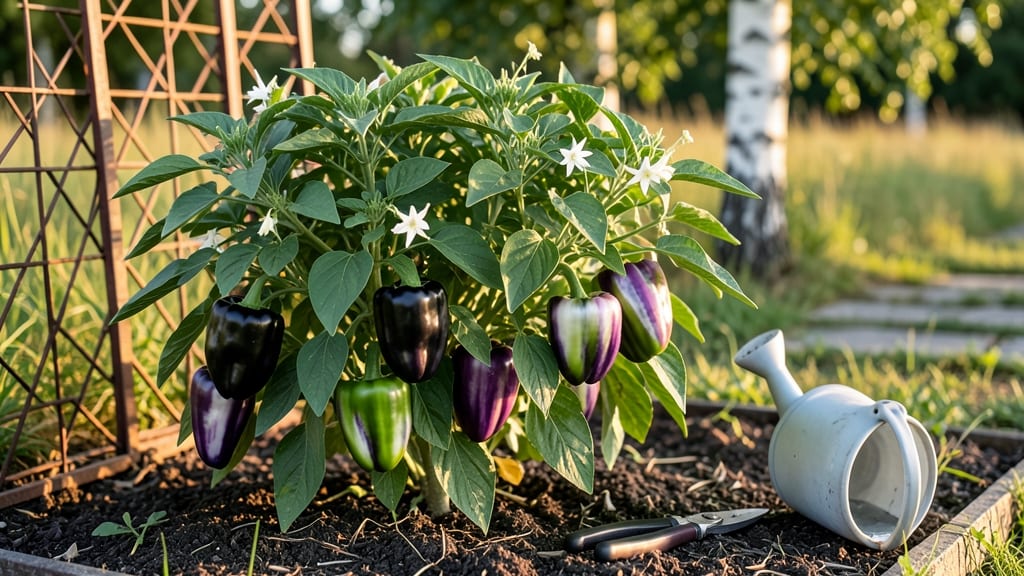
Growing the ornamental pepper Masquerade in your heat zone is like adding a splash of fiery color to your garden that never stops performing. 🌶️ These peppers aren’t just for looks—they’re tough, productive, and packed with drama, from their deep purple foliage to the rainbow of peppers that mature from green to red, yellow, and orange.
The secret to their success? Matching their heat-loving nature with the right growing conditions, and I’ve got the foolproof method that’s worked for me in zones 8-11.
Start with well-draining soil mixed with compost—think rich, crumbly, and slightly sandy—and plant in a spot where they’ll get 6-8 hours of sun daily. Water consistently but avoid soggy soil (this is how blossom end rot sneaks in), and feed lightly with a balanced fertilizer every 4-6 weeks.
The payoff? Plants that stay compact, bushy, and loaded with peppers from spring through frost, plus foliage so striking it earns compliments even when the peppers aren’t ripe. What makes Masquerade special is how it doubles as both a decorative powerhouse and a functional harvest.
Use the peppers fresh in salsas (they’re mild but flavorful) or let them dry for winter color displays. The foliage alone is enough to turn heads—deep purple leaves with white edges create a jewel-toned contrast that brightens borders, containers, or even indoor spots with bright light.
Prune lightly to encourage bushiness, and watch how they fill out like a living sculpture. Here’s the kicker: these peppers thrive in heat and humidity, making them perfect for southern gardens where other plants wilt.
Just watch for spider mites in dry spells and aphids on new growth—neem oil or a strong spray of water usually does the trick. Once you’ve grown them, you’ll never go back to boring green peppers again.
📚 In This Guide
- What you need
- Instructions
- Tips and common mistakes
- Wrapping up and next steps
What you need
- ● Ornamental pepper plants: 10–20 plants (mix varieties like ‘Black Pearl,’ ‘Jamaica,’ ‘Apache,’ or ‘Lunchbox’ for color diversity). Choose heat-tolerant cultivars rated for your USDA zone (most thrive in zones 7–11).
- ● Well-draining potting mix: 5–10 gallons (use a blend of cactus/succulent mix + perlite for pots, or amend garden soil with compost and sand for in-ground planting).
- ● Containers or garden beds: Containers: 5–15-gallon pots (one per plant or shared for smaller varieties). Ensure pots have drainage holes.
- ● Garden beds: Full sun (6+ hours/day) with loose, fertile soil. Raised beds are ideal for heat zones.
- ● Slow-release fertilizer: 10–20 lbs (15–20–15 NPK ratio) or organic options like worm castings or composted manure.
- ● Mulch: 2–3 inches of straw, pine bark, or shredded leaves to retain moisture and regulate soil temp.
- ● Garden tools: Trowel, pruners (sterilized), and gloves.
- ○ pH testing kit: Optional but helpful—peppers prefer 6.0–6.8 pH.
- ● Drip irrigation or watering can: For consistent moisture (peppers hate soggy roots!).
- ○ Support stakes or cages: Optional for taller varieties (e.g., ‘Black Pearl’) to prevent flopping.
- ● Heat-resistant labels: To track varieties (use bamboo skewers + masking tape).
- ● Companion plants: Marigolds or basil to deter pests.
- ● Decorative accents: Solar-powered garden lights or colorful stakes to enhance the "masquerade" theme.
- ● Epsom salt: 1 tbsp per plant monthly for magnesium boosts (especially in hot climates).
Step-by-step guide for planting ornamental peppers in heat zones
Turn your garden into a vibrant display with these striking peppers that thrive in warm climates.
🌱 Step 1: Choose the Right Varieties for Your Heat Zone
Select ornamental pepper varieties that match your USDA hardiness zone. For zones 8-10, try 'Purple Beauty' or 'Jalapeño Mango'—they handle heat beautifully and produce bold colors. In zones 11-12, opt for 'Black Pearl' or 'Lemon Drop' for extra drought tolerance. I always check the seed packet for heat zone recommendations to avoid disappointment.
Start with 4 plants (as your servings suggest) to create a balanced display. Space them 18-24 inches apart—this gives them room to grow without competing for nutrients. If you're in a hotter zone, plant in late spring after the last frost date to prevent heat stress on young seedlings.
☀️ Step 2: Prepare the Planting Site for Heat Adaptation
Ornamental peppers love full sun (6-8 hours daily), but in extreme heat zones, provide afternoon shade to prevent wilting. Amend the soil with 2-3 inches of compost to improve drainage—these plants hate soggy roots. I mix in a handful of perlite to keep the soil loose and airy, which helps roots breathe in the heat.
Test your soil’s pH—ornamental peppers prefer a slightly acidic to neutral range (6.0-7.0). If your soil is heavy clay, raise beds or use containers to improve drainage. Mulch with 2-3 inches of straw or wood chips to retain moisture and regulate soil temperature. This step is critical in zones 9 and above, where soil can bake quickly.
🪴 Step 3: Plant and Water for Heat Resilience
Dig holes twice as wide as the root ball but no deeper—this encourages root spread. Gently remove plants from their containers and loosen any circling roots. Place them in the holes, ensuring the top of the root ball sits just below soil level. Fill in with amended soil and firm lightly around the base to eliminate air pockets.
Water deeply right after planting—soak the soil until it’s 6 inches down, then let it dry slightly before watering again. Overwatering in heat zones leads to root rot, so I use drip irrigation to deliver moisture slowly at the base. Avoid wetting leaves, as this can cause fungal issues in humid climates.
✂️ Step 4: Maintain for Year-Round Color and Heat Tolerance
Prune leggy growth in early summer to encourage bushier plants. Pinch back tips of new shoots to redirect energy into fruit production. I also remove any yellowing or diseased leaves immediately—this keeps the plant healthy and prevents pests from moving in. Fertilize lightly every 4-6 weeks with a balanced, slow-release fertilizer to avoid burning roots in the heat.
Watch for aphids or spider mites, which thrive in hot, dry conditions. Spray plants with neem oil at the first sign of trouble—it’s organic and safe for ornamental peppers. In zones 10+, provide light shade cloth during peak summer months (12-4 PM) to protect plants from intense sun. This simple step keeps foliage vibrant and prevents sun scorch.
🌿 Step 5: Extend the Season with Strategic Care
To keep ornamental peppers producing color year-round, harvest peppers at their peak—this encourages new growth. In cooler months, move potted plants to a sunny indoor spot or a greenhouse to extend their life. I’ve kept mine going through mild winters with grow lights and consistent watering. If frost is coming, bring containers inside before temperatures drop below 50°F.
For a continuous display, stagger plantings every 2-3 weeks in warm zones. This ensures you always have fresh foliage and colorful peppers. Mulch heavily in winter to protect roots from temperature swings. With these steps, your ornamental peppers will stay lively and eye-catching for seasons to come.
Tips & tricks for perfect ornamental pepper planting
These simple strategies will help your ornamental peppers thrive in any heat zone—no green thumb required!
Variety Selection: When choosing your 4 plants, look for seed packets that specify "ornamental" varieties—they're bred for color retention and heat tolerance. I always pick at least two different colors like purple and yellow to create visual contrast. For zones 11-12, 'Lemon Drop' peppers are my go-to because they handle extreme heat better than most varieties.
Soil Preparation: The 2-3 inches of compost and perlite mix is non-negotiable for heat zones—it's what prevents those soggy roots that lead to wilting. I like to add a handful of coarse sand to my mix too, especially in clay-heavy soils. This creates tiny air pockets that help roots breathe during those scorching afternoons. For container growing, use a mix that's 60% potting soil, 20% perlite, and 20% compost.
Watering Wisdom: That deep watering right after planting (6 inches down) is crucial—it establishes strong root systems that can handle heat better. I've learned the hard way that shallow watering leads to weak roots that can't reach moisture during droughts. For mature plants, water when the top 2 inches of soil feel dry, but never let water pool around the base. In zones 10+, I water in the early morning to prevent evaporation losses.
Season Extension: The 50°F frost warning is your cue to bring containers inside! I've kept my ornamental peppers going through mild winters by placing them near south-facing windows with supplemental grow lights. For extra insurance, wrap containers in bubble wrap to protect roots from temperature swings. You can also harvest peppers at their peak color and dry them for winter decorations—it's a great way to enjoy them year-round.
Pro Tips for Ornamental Pepper Masquerade
- These simple strategies will help your ornamental peppers thrive in any heat zone—no green thumb required!
- Variety Selection: When choosing your 4 plants, look for seed packets that specify "ornamental" varieties—they're bre...
- Soil Preparation: The 2-3 inches of compost and perlite mix is non-negotiable for heat zones—it's what prevents those...
Frequently asked questions
Got questions about transforming your ornamental peppers into a dazzling masquerade? Here are some common ones—and their answers!
What’s the best time to plant ornamental peppers for year-round color?
For a masquerade-worthy display, start seeds indoors 8–10 weeks before your last frost date. Transplant seedlings after soil warms to 60°F (15°C)—typically mid-spring. In warm climates, you can direct-sow as early as February!
Can I use regular bell peppers instead of ornamental ones for this project?
While you can use bell peppers, ornamental varieties are bred for vibrant colors, compact size, and heat tolerance—perfect for a masquerade! Their smaller fruits also make them ideal for creative displays. If you’re set on bells, choose colorful heirlooms like ‘Lunchbox’ or ‘Carolina Wonder.’
How do I prevent my peppers from turning bland or losing color in heat?
Heat stress can dull colors, but don’t worry! Mulch with straw to retain moisture, water deeply in the morning, and avoid over-fertilizing with nitrogen (it boosts foliage over fruit). Prune leggy growth to improve airflow—this keeps peppers bold and bright!
What’s the easiest way to arrange peppers for a “masquerade” look?
Think height, texture, and contrast! Plant tall varieties (like ‘Black Pearl’) at the back, medium-height (e.g., ‘Jamaica Wonder’) in the middle, and trailing types (like ‘Pepperoni’) in hanging baskets or at the front. Add complementary plants like sweet potatoes or marigolds for drama.
Will ornamental peppers survive winter in my climate?
Most ornamental peppers are annuals, but in mild winters (Zones 8–10), they may persist if protected. In colder areas, dig up plants before frost, trim, and replant next spring. For year-round color, harvest seeds or grow in containers to move indoors!
How do I keep pests (like aphids or spider mites) from ruining my pepper masquerade?
Prevent pests with neem oil sprays or insecticidal soap. Encourage beneficial insects like ladybugs, and remove affected leaves immediately. For severe infestations, try horticultural oil—but avoid it if temps are above 90°F (32°C). Stay vigilant!
Wrapping up and next steps
Transforming your garden into a vibrant ornamental pepper masquerade is easier than you think—and the rewards are stunning! 🌿 With the right heat-zone-adapted varieties, you can enjoy bold colors and textures year-round, whether in containers, raised beds, or garden plots.
Start small, experiment with placement, and let your creativity shine.
Ready to dive in? Pick a pepper or two this weekend and begin your own edible art adventure—your garden (and taste buds) will thank you! 🌶️✨