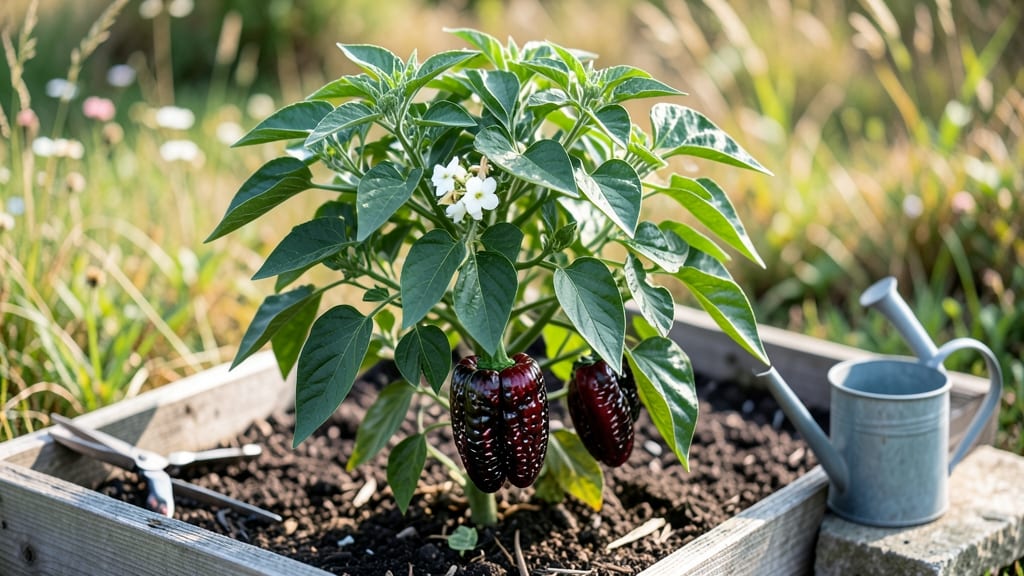
Buying guide: how to choose the right Komodo Dragon pepper seeds
1. Heat Zone Compatibility 🌡️
The Komodo Dragon pepper thrives in Heat Zones 9-11, where temperatures stay consistently warm year-round. If you're in a cooler zone (e.g., 7-8), opt for hybrid varieties—they tolerate partial shade and container gardening better than heirlooms.
Counter-intuitively, heirloom seeds (like the classic strain) need full sun (6+ hours daily) and struggle in cooler climates, while hybrids adapt to 3-gallon pots or shaded balconies. For urban growers, prioritize disease-resistant hybrids—they handle humidity better and produce faster in limited space.
2. Seed Type: Heirloom vs. Hybrid ⚡
Heirloom seeds (like the BEST OVERALL pick) deliver authentic, ultra-hot peppers (1.5M–2M Scoville) and let you save seeds, but require more care. Hybrids (e.g., BEST VALUE) offer faster fruiting (90–100 days), disease resistance, and consistent heat (1.3M–1.6M Scoville)—ideal for beginners.
I recommend hybrids for first-time growers or those in humid zones, while heirlooms suit serious chiliheads who want to experiment with flavor and heat. Pro tip: Hybrids can’t be saved, but heirlooms reward patience with true-to-type plants year after year.
3. Germination and Early Growth Support ✅
Komodo Dragon seeds hate cold soil—use a heat mat (70–80°F) for faster germination (7–14 days). Premium seeds (like the PREMIUM CHOICE) boast 98%+ germination rates, while budget packs may need soaking in warm water overnight.
For container gardening, mix cactus/succulent soil with perlite to prevent root rot. I’ve seen slow germination in damp conditions—always plant in well-draining soil and keep humidity low until sprouts appear. Transplant seedlings when they’re 3–4 inches tall to avoid shock.
4. Harvest Strategies for Maximum Potency 🔍
To maximize Scoville heat, let peppers fully mature (90–120 days), but harvest earlier for milder peppers. Prune aggressively to focus energy on fewer, hotter peppers.
For drying, use a dehydrator (125°F for 2–4 hours) or hang in a dark, well-ventilated space—never in direct sun. Premium seeds (like the ORGANIC CHOICE) yield consistent heat, but heirlooms can vary. Store dried peppers in airtight containers away from moisture.
Counter-intuitively, overripe peppers lose heat—pick when firm and glossy for peak potency.
Frequently asked questions
Q: What’s the best way to store komodo dragon pepper seeds before planting to ensure maximum germination?
Store your seeds in a cool, dry place (50–60°F) in an airtight container with a silica gel packet to absorb moisture. Avoid refrigeration unless storing long-term (over 6 months)—humidity is the enemy. For short-term use (up to 3 months), keep them in a paper envelope in a dark cupboard. Pro tip: Label each packet with the variety and purchase date—Komodo Dragon seeds lose viability after 2–3 years if stored improperly. Always test a few seeds by soaking them overnight in warm water before planting to check viability.
Q: Can I grow komodo dragon pepper seeds in containers, and what size pot do I need?
Komodo Dragon peppers thrive in containers, but size matters. For heirloom varieties, use a 5-gallon pot minimum (6–8 inches deep) with drainage holes. Hybrids can manage in 3-gallon pots, but expect smaller yields. Use a lightweight potting mix (cactus/succulent blend with perlite) to prevent root rot. Place pots in full sun (6+ hours daily) and fertilize every 2–3 weeks with a balanced organic fertilizer (10-10-10). For maximum heat, avoid overcrowding—space plants 18–24 inches apart.
Q: Why aren’t my komodo dragon pepper seeds germinating, even after 2 weeks?
Slow germination is usually due to cold soil, low humidity, or old seeds. Komodo Dragon seeds need 70–80°F soil—use a heat mat if your environment is cooler. If using budget-friendly bulk seeds, soak them in warm water overnight before planting. Check for damping-off (black stems at soil level)—this fungal issue thrives in damp conditions. For stubborn seeds, try scarification (lightly sanding the seed coat) or stratification (placing seeds in the fridge for 7–10 days before planting). If all else fails, test a fresh batch from a premium seed pack—germination rates can drop below 50% with aged seeds.
Q: What’s the difference between heirloom and hybrid komodo dragon pepper seeds, and which should I choose?
Heirloom seeds (like the BEST OVERALL pick) offer true-to-type plants with higher Scoville heat (1.5M–2M) and seed-saving potential, but require more care and space. Hybrids (e.g., BEST VALUE) deliver faster fruiting (90–100 days), disease resistance, and consistent yields in smaller pots. Choose heirlooms if you’re a serious grower or want to experiment with flavor/heat variations. Opt for hybrids if you’re a beginner, live in a humid climate, or prioritize speed and reliability. For container gardening, hybrids are the clear winner.
Q: How do I maximize the heat in my komodo dragon peppers, and when should I harvest?
To boost Scoville heat, let peppers mature fully (90–120 days) and prune aggressively to focus energy on fewer, hotter peppers. Harvest when peppers are firm, glossy, and fully colored—overripe peppers lose heat. For drying, use a dehydrator (125°F for 2–4 hours) or hang in a dark, well-ventilated space. Avoid direct sun during drying to prevent mold. Premium organic seeds yield the most consistent heat, but even budget-friendly bulk seeds can reach 1.3M+ Scoville if given optimal conditions. Store dried peppers in airtight containers away from moisture to preserve potency.
Q: Are komodo dragon pepper seeds worth the investment compared to other ultra-hot varieties?
If you’re after authentic, ultra-hot peppers (1.5M+ Scoville), komodo dragon seeds are a worthwhile investment—especially the mid-range heirloom or premium organic options. They outperform many budget chili seeds in heat consistency and yield. However, if you’re a first-time grower, the budget-friendly hybrid offers a lower-risk entry point with disease resistance and faster results. For commercial growers, the organic non-GMO seeds justify the cost with 98%+ germination and stable Scoville ratings. Compare this to carolina reaper seeds, which often require more precise growing conditions.
Q: Can I save seeds from my komodo dragon peppers for next year, and how?
Only heirloom and open-pollinated seeds can be saved—hybrids won’t produce true-to-type plants. To save seeds, let a pepper fully ripen and dry on the vine, then scoop out the seeds, rinse them, and dry on a paper towel for 3–5 days. Store in a cool, dry place (like your fridge) for up to 3 years. For best results, cross-pollinate at least 3 plants to maintain genetic diversity. Avoid saving seeds from hybrid varieties—they’ll produce weaker, inconsistent peppers. If you’re unsure, stick to buying fresh seeds yearly for guaranteed potency.