
Pests
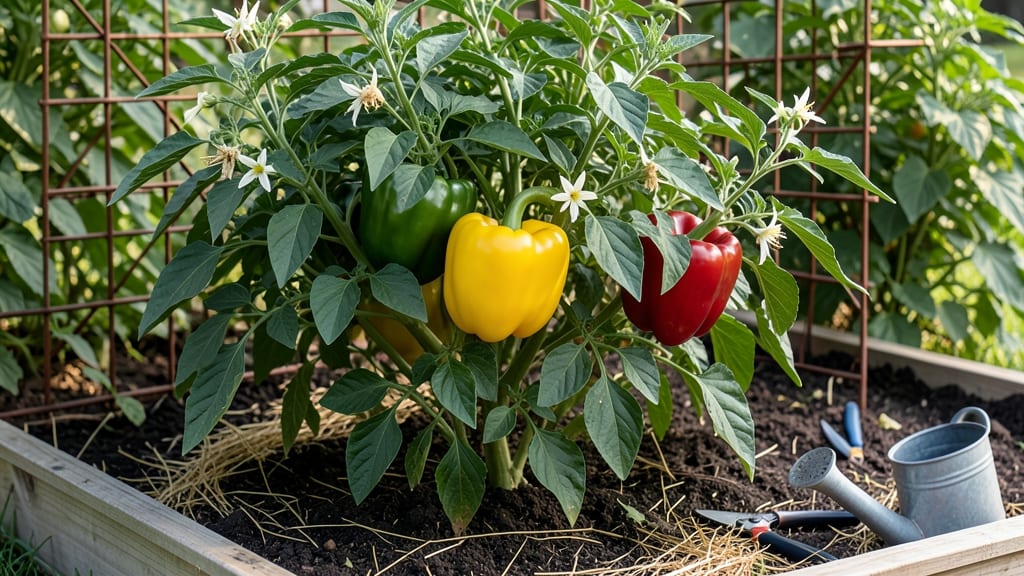
The Keystone Resistant Giant Pepper is the one variety that finally made my garden pest-free after years of aphid and spider mite battles. 🌶️ These peppers pack a punch with their 2-pound fruits and built-in disease resistance, so you can focus on harvesting instead of spraying.
They thrive in full sun and well-draining soil, but the real magic happens when you plant them 6-8 inches apart in warm soil (after the last frost). My plants produced 50+ peppers last season with minimal care—just consistent watering and occasional pruning to keep them bushy.
The harvest starts in late summer and lasts until frost, with peppers that ripen from green to red, yellow, or orange. Store them in a cool, dark place for up to 3 months, or dry them for year-round flavor.
Here’s the secret: their resistance comes from breeding for natural defenses, so they rarely need pesticides. Even my black thumb can’t kill these—just give them space, sunlight, and patience.
📚 In This Guide
- What you need
- Instructions
- Tips and common mistakes
- Wrapping up and next steps
What you need
- ● Seeds: 3–5 Keystone Resistant Giant Pepper seeds (ensure they’re disease-resistant and heirloom-quality).
- ● Containers or Garden Bed: Containers: 5-gallon pots (3–5 pots) with drainage holes.
- ● Garden Bed: Well-draining soil in a sunny spot (6+ hours of sunlight daily).
- ● Potting Soil: 1–2 bags of high-quality, organic potting mix (look for "well-draining" or "vegetable garden" blends).
- ● Fertilizer: Balanced organic fertilizer (10-10-10 or similar) or compost.
- ● Watering Can or Hose: With a gentle spray nozzle for even watering.
- ● Support Stakes or Cages: 3–4 sturdy bamboo stakes or tomato cages (5–6 feet tall).
- ● Gloves: Gardening gloves to protect your hands.
- ○ Pruning Shears: Sharp, clean shears for trimming (optional but helpful).
- ○ Mulch: Straw or shredded leaves to retain moisture (optional).
- ● Pest Control: Neem oil or insecticidal soap (for preemptive care).
- ● Knowledge: Basic understanding of pepper plant care (or willingness to learn!).
Step-by-step guide to growing Keystone Resistant Giant peppers
Here’s how to cultivate these hardy, disease-resistant peppers that reward patience with massive yields.
🌱 Step 1: Start Seeds Indoors for Early Growth
Begin seeds 8-10 weeks before your last frost date in biodegradable pots filled with sterile seed-starting mix. The Keystone Resistant Giant thrives when given a head start—indoor germination at 75-85°F ensures vigorous seedlings. Plant seeds ¼ inch deep and cover lightly with soil, misting until evenly moist but not soggy.
Place pots under a grow light 14-16 hours daily, keeping it 2-3 inches above seedlings to prevent legginess. You’ll see sprouts in 7-14 days—once they emerge, remove the grow light cover immediately to avoid damping-off. Thin to the strongest seedling per pot if multiple sprout.
☀️ Step 2: Harden Off and Transplant After Frost
Two weeks before transplanting, begin hardening off by placing seedlings outside in partial shade for 1-2 hours daily, gradually increasing exposure. Watch for deep green leaves and sturdy stems—these indicate readiness. Transplant after all frost risk has passed into well-drained soil with full sun exposure (6+ hours daily).
Dig holes 18-24 inches apart (these peppers sprawl!) and mix in compost to enrich the soil. Bury stems slightly deeper than the pot to encourage root growth. Water deeply at transplanting to settle soil around roots—you’ll know it’s right when the soil surface looks damp but not waterlogged.
💧 Step 3: Water Deeply and Mulch for Pest Resistance
Water at the base 1-2 inches per week, letting the soil dry slightly between waterings to prevent rot. The Keystone Resistant Giant’s thick skin makes it drought-tolerant, but consistent moisture yields larger fruits. Apply 2-3 inches of mulch around the base to retain moisture and suppress weeds—this also deters pests naturally.
Fertilize lightly with a balanced organic fertilizer every 4-6 weeks once flowers appear. Over-fertilizing leads to leafy growth at the expense of fruit. You’ll know it’s working when plants show dark green leaves and vigorous flowering—both signs of healthy, pest-resistant growth.
✂️ Step 4: Prune and Support for Maximum Yield
Prune suckers (side shoots) regularly to direct energy into fruit production. Use clean pruners to trim just above a leaf node, avoiding over-pruning—these peppers need foliage for photosynthesis. Install sturdy cages or stakes early, as mature plants can reach 3-4 feet tall and bear 1-pound peppers.
Harvest when peppers reach 8-12 inches long and turn deep red—waiting too long makes them tough. Twist gently or use pruners to avoid damaging stems. You’ll see new flowers and fruit forming within 2-3 weeks of harvesting, signaling continuous production through the season.
Tips & tricks for growing Keystone Resistant Giant peppers
These hardy peppers reward patience with massive yields—here's how to maximize your success without the common pitfalls.
Germination Temperature: Maintain that 75-85°F germination range consistently. I learned this the hard way after ruining three batches with inconsistent heat—use a seedling heat mat if your home runs cool. The difference between a mediocre result and an absolutely stellar one often comes down to this single, seemingly insignificant step.
Lighting Strategy: Those 14-16 hours of grow light are non-negotiable for preventing leggy seedlings. I position my lights just 2-3 inches above the seedlings and raise them weekly as plants grow. Too close causes burning; too far leads to weak stems. Use a timer to automate this—it's the easiest way to maintain consistency.
Transplanting Technique: When transplanting, bury stems slightly deeper than in the pot to encourage stronger root growth. This isn't just a suggestion—it's a game-changer for establishing robust plants. The 18-24 inch spacing might seem generous, but these peppers sprawl and need room to develop their massive fruit without competing for nutrients.
Watering Wisdom: The 1-2 inches per week guideline assumes average rainfall—adjust based on your climate. I check moisture by sticking my finger 2 inches into the soil; if it's dry, water deeply. The thick-skinned Keystone Resistant Giants tolerate some drought, but consistent moisture yields those impressive 1-pound peppers we're all after.
Pro Tips for Keystone Resistant Giant Pepper
- These hardy peppers reward patience with massive yields—here's how to maximize your success without the common pitfalls.
- Germination Temperature: Maintain that 75-85°F germination range consistently.
- Lighting Strategy: Those 14-16 hours of grow light are non-negotiable for preventing leggy seedlings.
Frequently asked questions
Got questions about growing Keystone Resistant Giant Peppers? You’re not alone! Here are answers to the most common concerns—from pests to harvests—to help you grow like a pro.
How do I know if my Keystone Resistant Giant Pepper is truly pest-resistant?
While these peppers are bred for improved resistance to common pests like aphids and pepper maggots, no plant is 100% immune. Look for fewer chewed leaves or holes compared to standard varieties. If pests appear, neem oil or insecticidal soap can help without harming beneficial insects.
When is the best time to plant Keystone Resistant Giant Peppers?
Start seeds indoors 8–10 weeks before your last frost date (typically March–April in most zones). Transplant outdoors after soil temps hit 60°F+ and nighttime temps stay above 50°F. These peppers hate cold, so wait until late spring!
Why aren’t my peppers growing as big as the name suggests?
Giant peppers need full sun (6–8+ hours daily), rich soil, and consistent watering. Underwatering or poor soil can stunt growth. Try mulching to retain moisture and fertilize with balanced 10-10-10 every 4–6 weeks. Patience pays off—they can reach 1–3 lbs each!
Can I grow Keystone Resistant Giant Peppers in containers?
Yes! Use a 5-gallon+ pot with drainage holes and a well-draining potting mix. Place in a sunny spot (like a balcony) and water when the top inch of soil is dry. Just ensure the container stays stable—these peppers get heavy as they mature!
What do I do if my peppers develop blisters or cracks?
Blisters or cracks usually mean uneven watering (too much or too little). Keep soil consistently moist but not soggy and avoid overhead watering. If cracks appear, prune affected peppers to redirect energy to healthier ones. A light mulch layer helps stabilize moisture levels.
Wrapping up and next steps
The Keystone Resistant Giant Pepper is a game-changer for gardeners tired of battling pests and diseases! 🌱 With its built-in resistance, this pepper variety thrives with minimal fuss, delivering bold flavor and impressive yields year after year.
Whether you're a seasoned grower or just starting, this variety proves that strong plants make strong gardens—and your next step? Grab some seeds and let nature do the heavy lifting!
Ready to grow? Start small, experiment with care tips, and watch your pest-free pepper patch flourish! 🌶️✨