
Flowers
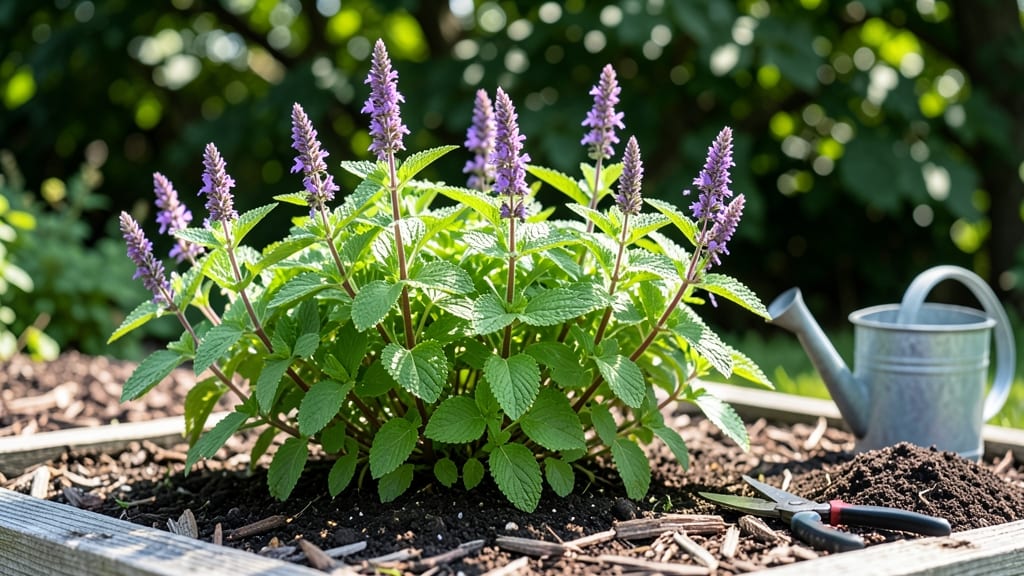
Peppermint is a perennial herb that thrives in USDA zones 3-9, returning year after year with proper care, though it can become invasive if not contained. Its hardy root system allows regrowth even after winter dieback in colder climates.
This means peppermint doesn't need annual replanting—once established, it sends up fresh shoots from its deep, sprawling roots each spring. 🌱 The secret lies in its rhizomes, which store energy underground during winter dormancy, then fuel rapid regrowth when temperatures rise.
Unlike annual herbs that die back completely, peppermint's persistence makes it perfect for gardeners who want long-term flavor production with minimal effort.
What sets peppermint apart is its cold tolerance—it handles frost down to -30°F in zones 3-4, though growth slows dramatically in winter. The trade-off? Without proper containment, it can spread aggressively through those same roots, crowding out nearby plants.
I've found that growing it in containers or heavily bordered beds solves this while still giving you fresh leaves all season.
💡 In This Article
- Peppermint’s Perennial Growth Cycle Explained
- Managing Peppermint as a Hardy Perennial Plant
Peppermint’s perennial growth cycle explained
Peppermint's perennial nature stems from its specialized underground structure called rhizomes—thick, horizontal stems that act like natural storage units. These rhizomes store starches and nutrients during dormancy, allowing the plant to survive winter dieback in zones as cold as 3, where temperatures dip to -30°F.
The key mechanism is how these rhizomes remain alive beneath the frost line, even when above-ground growth turns brown and crispy.
When spring arrives, the rhizomes detect rising temperatures and begin sending up new shoots within 2-4 weeks, depending on soil warmth. This regrowth happens because the rhizomes contain meristematic cells—undifferentiated plant cells that can develop into stems, leaves, or roots.
Unlike annual herbs that complete their life cycle in one season, peppermint's rhizomes ensure it returns year after year without needing replanting.
The growth cycle follows distinct seasonal phases: vigorous shoot growth in spring, flowering (and seed production) in summer, and gradual senescence in fall as energy is redirected back to the rhizomes. In colder zones, the above-ground parts die completely, but the rhizomes remain dormant until spring warmth triggers regrowth.
This adaptation explains why peppermint thrives in zones 3-9—its survival strategy is built around seasonal dormancy rather than continuous growth.
What's fascinating is how peppermint's cold tolerance varies by cultivar. Common peppermint (Mentha × piperita) handles frost better than its relatives like spearmint (Mentha spicata), which is more tender. The rhizomes of peppermint can reach depths of 12-18 inches, placing them below the frost line in most climates.
This depth also explains why peppermint spreads aggressively—each rhizome segment can produce new shoots, creating dense colonies if unchecked.
Seasonal growth patterns show peppermint's peak productivity in late spring to early summer, when temperatures average 60-75°F. The plant's aromatic oils (like menthol) develop most intensely during this period, which is why harvests in June-July yield the strongest flavor.
After flowering, growth slows as the plant prepares for winter, demonstrating how its perennial cycle is tightly linked to temperature cues rather than fixed calendar dates.
One common misconception is that peppermint dies in winter like annuals. In reality, it enters a state of physiological dormancy—its metabolic processes slow dramatically, conserving energy in the rhizomes. This adaptation allows it to bounce back quickly in spring, unlike tender perennials that require more delicate winter protection.
The trade-off? This hardiness comes with a spreading habit that can overwhelm garden beds if not managed.
For gardeners in milder zones (7-9), peppermint may grow continuously with minimal dormancy, but even in these areas, it still relies on rhizome storage for long-term survival. The plant's ability to regenerate from just a small rhizome fragment—even after freezing—makes it one of the most resilient herbs in temperate climates.
This persistence is what transforms peppermint from a seasonal herb into a year-round garden staple with proper care.