
Picking
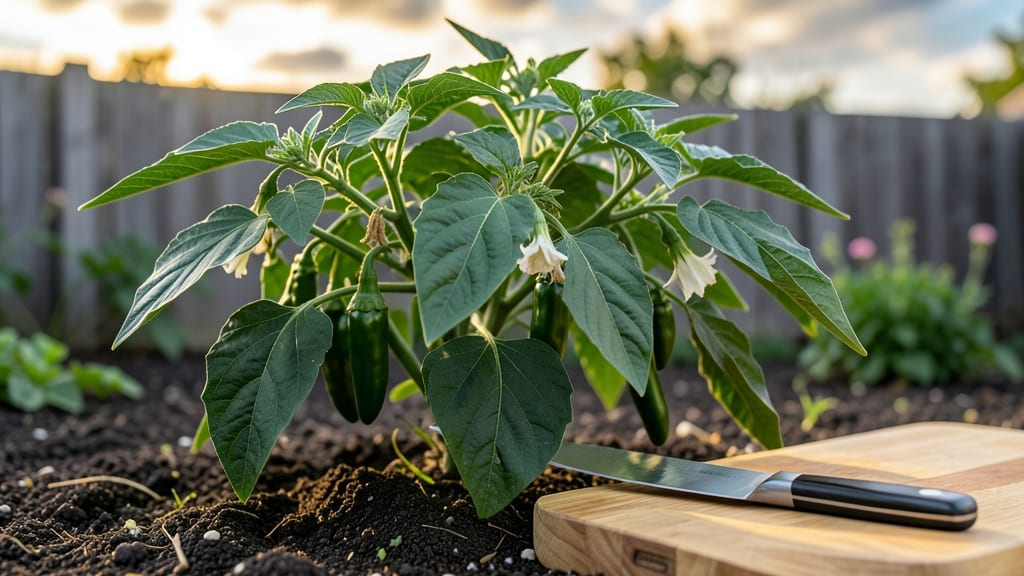
Cutting jalapeño peppers properly makes all the difference—whether you're saving seeds, drying peppers, or prepping for cooking. I learned the hard way that improper cuts waste seeds, ruin flavor, and even cause skin burns. The right technique protects your hands, preserves capsaicin potency, and ensures clean cuts every time.
You’ll need sharp kitchen shears or a clean chef’s knife, rubber gloves (the nitrile kind is best), and a cutting board lined with paper towels to catch the capsaicin oils. Never use your fingers—those oils will burn your skin for hours.
For seed saving, wait until peppers are fully ripe but still firm; for fresh use, cut just before cooking to lock in flavor.
Start by slicing the pepper lengthwise down the middle, then remove the seeds and membranes with a spoon—don’t scrape, just lift them out. For drying, cut peppers into ½-inch strips or rings; for fresh use, slice into rounds or dice.
The key? Speed and precision—the longer you handle them, the more capsaicin transfers to your skin.
Pro tip: Rinse your knife between cuts to prevent flavor contamination, and avoid touching your face while working. Proper cuts mean better storage, more usable seeds, and less wasted pepper. Now you’re ready to harvest like a pro—without the sting.
📚 In This Guide
- What you need
- Instructions
- Tips and common mistakes
- Wrapping up and next steps
What you need
- ● Fresh jalapeño peppers – 1 to 3 peppers (depending on your project; medium-sized jalapeños work best for slicing).
- ● Sharp chef’s knife – An 8-inch to 10-inch knife with a serrated edge (like a Santoku or chef’s knife) for clean cuts.
- ● Cutting board – A stable, non-slip board (preferably plastic or bamboo to avoid dulling your knife).
- ● Paper towels or clean kitchen towel – To wipe away moisture and prevent slipping.
- ● Small bowl or plate – For discarding seeds and stems (or saving them for pickling!).
- ○ Glove (optional but recommended) – A cut-resistant glove (like a kitchen cutter’s glove) to protect your fingers from accidental slips.
- ● Food processor or mandoline slicer – For uniform slices if you’re prepping a large batch (great for salsas or pickling!).
- ● Microplane or grater – To finely grate jalapeños for spicy garnishes or marinades.
- ● Plastic wrap or resealable bag – To store cut jalapeños in the fridge for up to 5 days (if not using immediately).
- ● Vinegar or lemon juice – A splash to neutralize capsaicin (the compound that makes your hands burn) if you touch your eyes or sensitive skin.
- ● Marking pen or tape – To label storage containers if you’re prepping for multiple recipes.
Step-by-Step instructions for cutting jalapeño peppers safely
Here's my foolproof method to slice peppers without burning your hands or losing seeds.
Wash and Prepare the Peppers
Rinse each jalapeño under cool running water to remove any dirt or debris clinging to the skin. Pat them dry thoroughly with a clean kitchen towel—moisture makes cutting slippery and increases the risk of the knife sliding. I like to wear thin latex gloves when handling fresh peppers, especially if I'm sensitive to capsaicin. The gloves protect your skin from irritation while you work.
Hold the pepper firmly by the stem end to stabilize it. Use a sharp chef's knife or a serrated knife to make your first cut. For whole peppers, slice off the top just above the seeds—about ½ inch down. This creates a clean opening for seed removal without crushing the flesh. If you're cutting into strips, make ¼-inch thick slices perpendicular to the pepper's length. Always cut away from your body for safety.
Remove Seeds and Membranes Carefully
The seeds and white membranes contain the highest concentration of capsaicin, the compound that makes peppers hot. Use a small spoon or your fingers (with gloves) to scoop out the seeds and membranes. Be thorough—even tiny fragments left behind will add heat to your dish. I like to hold the pepper over a small bowl to catch any seeds that might slip.
For seedless jalapeños, make a vertical slit down one side of the pepper, then gently pull the two halves apart. This preserves the pepper's shape better than slicing it open. If you're saving seeds for planting, place them on a paper towel to dry completely before storing in an airtight container. The drying process prevents mold and ensures viability for next season's garden.
Cut for Your Specific Use
For pickling whole jalapeños, leave them intact but remove the seeds and membranes through a small slit in the stem end. If you're making jalapeño relish, chop the flesh into ⅛-inch dice for even distribution of heat. For stuffing, slice the peppers lengthwise into ½-inch wide strips, leaving the stem intact to create a natural handle.
When cutting into rings, make horizontal slices about ⅛-inch thick. To prevent the rings from curling, place a small weight on top of the pepper while slicing. This keeps the cut even and the rings flat. If you're using a mandoline for uniform slices, always wear a cutting glove to protect your fingers from accidental slips.
Clean and Store Cut Peppers
Wipe down your cutting board and knife with a damp cloth to remove any residual capsaicin oils. These oils can linger and cause irritation if not cleaned properly. For immediate use, store cut peppers in an airtight container in the refrigerator, where they'll keep for up to 5 days. If you're not using them right away, blanch the peppers for 2 minutes in boiling water, then shock them in ice water to preserve color and texture before freezing.
For long-term storage, pack the cut peppers into freezer bags, removing as much air as possible. Label the bags with the date and intended use—jalapeños freeze well for up to 6 months. When ready to use, thaw them in the refrigerator overnight. Frozen peppers work best in cooked dishes like soups, stews, or salsas, where texture changes won't be noticeable.
Tips & tricks for perfect jalapeño prep
Cutting jalapeños safely and effectively is all about technique—here's what I've learned to make the process smoother and more controlled.
Knife Selection: A sharp chef's knife is essential, but a serrated knife works better for slicing through jalapeño skins without crushing the flesh. I've found that a 6-8 inch knife gives me the right balance of control and precision. If your knife isn't sharp, take the time to hone it first—dull knives slip and can cause accidents. For extra safety, use a cutting glove on your non-dominant hand when working with peppers.
Stabilization Technique: When cutting jalapeños, I've discovered that stabilizing them properly makes all the difference. Place the pepper on a damp paper towel—this prevents slipping—and hold it firmly by the stem end. For extra stability, you can even place a second paper towel underneath to create a non-slip surface. This is especially helpful when making those precise ¼-inch thick slices mentioned in Step 1, where even the slightest movement can affect the cut.
Seed Removal Strategy: Here's what nobody tells you—those white membranes are just as potent as the seeds. When scooping them out, use a small spoon or your fingers (with gloves) to get every last bit. I like to hold the pepper over a small bowl to catch any seeds that might slip, and I always give the pepper a quick shake before discarding. This ensures no capsaicin-containing fragments remain. For seedless jalapeños, the vertical slit method in Step 2 preserves the pepper's shape perfectly while making seed removal effortless.
Storage Wisdom: After cutting, I've found that storing jalapeños properly extends their freshness significantly. For immediate use, keep them in an airtight container in the fridge for up to 5 days. But if you're not using them right away, the 2-minute blanching method in Step 4 is a game-changer. It preserves color and texture, making frozen peppers just as good as fresh ones for cooked dishes. Just remember to thaw them overnight in the fridge before using.
Pro Tips for Cut Jalapeno Peppers
- Cutting jalapeños safely and effectively is all about technique—here's what I've learned to make the process smoother and more controlled.
- Knife Selection: A sharp chef's knife is essential, but a serrated knife works better for slicing through jalapeño skins without crushing the flesh.
- Stabilization Technique: When cutting jalapeños, I've discovered that stabilizing them properly makes all the difference.
Frequently asked questions
Got questions about slicing, dicing, or handling jalapeños? You’re not alone! Here are answers to the most common concerns—from safety to storage—so you can prep these fiery peppers like a pro.
How do I remove jalapeño seeds safely without getting burned?
After cutting open the pepper, wear gloves (or use a spoon to scoop seeds) to avoid skin irritation. The seeds and membranes contain most of the capsaicin (the compound that makes them spicy), so rinse your hands with soap and water immediately if exposed. For extra safety, wear goggles if you’re sensitive to spice.
Can I cut jalapeños ahead of time and store them?
Freshly cut jalapeños are best used within 3–5 days when stored in an airtight container in the fridge. For longer storage, blanch and freeze them (whole or sliced) for up to 6 months. Avoid storing cut jalapeños in water—this dilutes flavor and encourages sogginess.
What’s the difference between cutting jalapeños with or without seeds?
Leaving seeds in = more heat (since they hold capsaicin). Remove them for milder dishes like salsas or pickling. The membranes (white strings) also pack heat, so trim them if you prefer a gentler kick. Pro tip: Freeze seeds in ice cubes for future spicy broths or marinades!
What’s the best way to cut jalapeños for grilling or stuffing?
For grilling, slice lengthwise into strips (like fries) or halve them for easy charring. For stuffing (e.g., with cheese or meat), cut a small slit along the stem to create an opening without removing too much flesh. Leave the skin intact for texture—just blanch for 30 seconds first if peeling is needed.
My jalapeños are too spicy—how can I reduce the heat?
If you’ve already cut them, soak slices in milk or yogurt for 10–15 minutes to neutralize capsaicin. For future batches, wear gloves and avoid touching your face. If cooking, balance heat with acid (lemon juice) or sweetness (honey)—they “distract” your taste buds from the spice!
What can I use if I don’t have a sharp knife?
No problem! Use a serrated knife (great for gripping slippery peppers) or scissors for small batches. For extra safety, pinch the pepper firmly with one hand and cut away from your body. A mandoline slicer (with guard!) works for even slices, but supervise closely—jalapeños can slip!
Wrapping up and next steps
Mastering how to cut jalapeño peppers safely is all about protection, precision, and practice! Whether you're prepping for salsa, pickling, or grilling, removing seeds and skin without irritation is key. Start with gloves, a sharp knife, and a little patience—your taste buds (and hands) will thank you. 🌶️
Now that you’ve got the know-how, why not experiment? Try roasting your jalapeños for smoky depth or blending them into homemade hot sauce. The kitchen’s your playground—go ahead and spice things up! 🔥