
Plants
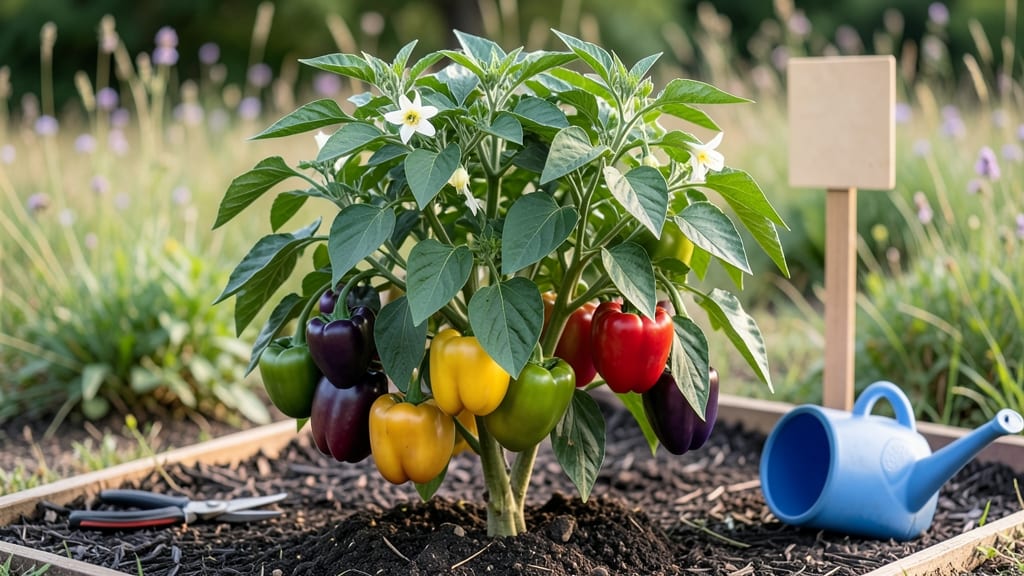
Green pepper plants typically grow 2 to 4 feet tall, but some compact varieties stay under 2 feet—making them perfect for small spaces or containers.
If you've ever wondered whether your balcony or patio can handle these spicy (or sweet) plants, the answer is yes—especially with the right dwarf varieties. These smaller plants still pack a punch in flavor and yield, proving that good things do come in small packages.
Whether you're working with a 6-inch pot or a raised bed, choosing the right height variety saves space while ensuring healthy growth. Below, I’ll break down the best compact options, how to support taller plants, and simple tricks to keep even standard varieties manageable.
From Thai Hot to Snackmaster, discover which peppers thrive in tight spaces—and how to maximize your harvest without sacrificing room for other plants.


Green pepper plant height guide: compact varieties under 2 feet
If you’ve ever dreamed of growing your own green peppers but worried about space, you’re in luck! Many compact green pepper varieties thrive in small gardens, containers, or even windowsills—some staying under 2 feet tall while still producing delicious peppers.
Whether you’re working with a balcony garden or a raised bed, these dwarf and semi-dwarf options are perfect for maximizing yield without taking up much room. Let’s explore the best choices and how to care for them.
Choosing the right variety is key. Dwarf green peppers are ideal for beginners or those with limited space, while semi-dwarf varieties offer a balance between manageable height and higher yields.
Most of these compact plants mature between 18 and 24 inches, making them perfect for container gardening or tight garden plots. Plus, they often have shorter days to harvest, meaning you can enjoy fresh peppers faster than with taller varieties.
Why height matters: Smaller plants require less staking or pruning, need fewer nutrients, and are easier to protect from pests. They’re also ideal for USDA zones 5-10, though some varieties tolerate cooler climates better than others. Below, we’ve rounded up the best compact green pepper varieties and their ideal growing conditions to help you pick the perfect fit for your space.
| Variety | Mature Height | Days to Harvest | Spacing (Containers) | USDA Zones | Sun Needs |
|---|---|---|---|---|---|
| 'Thai Hot' | 18-24" | 60-70 days | 1 plant per 5-gallon pot | 6-10 | Full sun (6+ hours) |
| 'Shishito' | 20-24" | 60-75 days | 2 plants per 7-gallon pot | 7-10 | Full sun (6-8 hours) |
| 'Snackmaster' | 18-22" | 60-70 days | 1 plant per 5-gallon pot | 5-10 | Full sun (6+ hours) |
| 'Lunchbox' | 18-24" | 60-75 days | 1 plant per 5-gallon pot | 6-10 | Full sun (6-8 hours) |
| 'Apache' | 20-24" | 60-70 days | 1 plant per 5-gallon pot | 4-10 | Full sun (6+ hours) |
The 'Thai Hot' pepper is a favorite for its compact size and fiery flavor, perfect for small containers. It matures quickly—often in just 60-70 days—and thrives in USDA zones 6-10. Pair it with a 5-gallon pot and full sun to ensure robust growth.
Similarly, the 'Shishito' variety is a crowd-pleaser, known for its mild heat and prolific production. These peppers love well-draining soil and benefit from a light fertilizer every 4-6 weeks once flowering begins.
For those in cooler climates, the 'Apache' pepper is a hardy choice, tolerating USDA zones 4-10 and staying under 2 feet tall. It’s also highly resistant to common diseases like powdery mildew, making it a low-maintenance pick.
If you’re growing in containers, ensure they have drainage holes to prevent root rot—a common issue with overwatered peppers. A 7-gallon pot is ideal for most dwarf varieties, providing enough space for roots to spread without becoming root-bound.
When planting, space your green pepper varieties according to their mature size. For example, 'Snackmaster' peppers can be spaced 18 inches apart in garden beds or grouped in 5-gallon pots if growing in containers.
Always plant in well-draining soil mixed with compost to encourage healthy root development. In USDA zones 5-6, consider starting seeds indoors 8-10 weeks before the last frost date to extend your growing season.
One of the biggest advantages of dwarf varieties is their low-maintenance care. Since they don’t require staking or extensive pruning, they’re perfect for beginners. However, even compact plants benefit from regular pruning to encourage bushier growth and more peppers.
Pinch off the first few flowers to promote stronger stems, and remove any yellow or diseased leaves promptly. With the right care, these peppers can produce 10-20 peppers per plant in a single season!
If you’re growing in containers, choose pots with a diameter of at least 12 inches
Tall green pepper varieties worth growing (2-4 feet) for larger spaces
When you have a bit more room to work with—whether it's a backyard plot, spacious patio, or large container—taller green pepper varieties like California Wonder and Jupiter become game-changers.
These varieties can reach 3 to 4 feet tall, producing more peppers per plant while often showing better disease resistance compared to their shorter cousins.
Taller varieties aren't just about height; they often deliver heavier yields and more consistent production. If you're wondering how to make the most of these space-eaters, the key lies in proper support structures and strategic pruning.
Without these, leggy stems or top-heavy fruit loads can lead to broken branches or poor air circulation.
Here’s the trade-off: taller plants require more attention but reward you with bigger harvests and longer production seasons. Let’s break down the pros and cons so you can decide if these varieties are right for your garden.
Tall Green Pepper Varieties: Pros & Cons
- 🌱 Higher yield: Produces more peppers per plant
- 🌿 Better disease resistance: Stronger stems resist wind/rain damage
- ✂️ Longer harvest season: Continuous production through late summer
- 🪴 Needs support: Requires cages/stakes for stability
- 💧 More watering: Larger plants dry out faster
- 🌡️ Pruning required: Regular trimming for bushier growth
"Taller varieties thrive with proper care—think of them as the athletes of the pepper world!"
For California Wonder, a classic tall variety, I recommend using 5-foot tomato cages or wooden stakes to keep stems upright. This variety is especially productive, often yielding 20+ peppers per plant when given the right support.
Prune suckers (the small shoots forming in the leaf axils) to encourage a bushier shape and better air flow.
If you're growing Jupiter peppers, focus on mulching to retain moisture and prevent legginess. These plants can get top-heavy with fruit, so tie them to sturdy stakes early in the season. A balanced fertilizer (like 10-10-10) applied every 4-6 weeks will keep them flowering and fruiting consistently.
One common issue with taller varieties is legginess, where stems stretch too tall and become weak. To prevent this, ensure your plants get 6+ hours of sunlight daily and avoid overcrowding.
If you notice stems elongating too much, pinch back the tips to encourage branching. This simple trick can turn a skinny, spindly plant into a sturdy, productive bush.
With the right care, tall green pepper varieties can transform your garden into a pepper powerhouse. Whether you're growing for fresh eating, pickling, or preserving, these space-efficient giants deliver big rewards—just don’t forget the support system! 🌱