
Picking
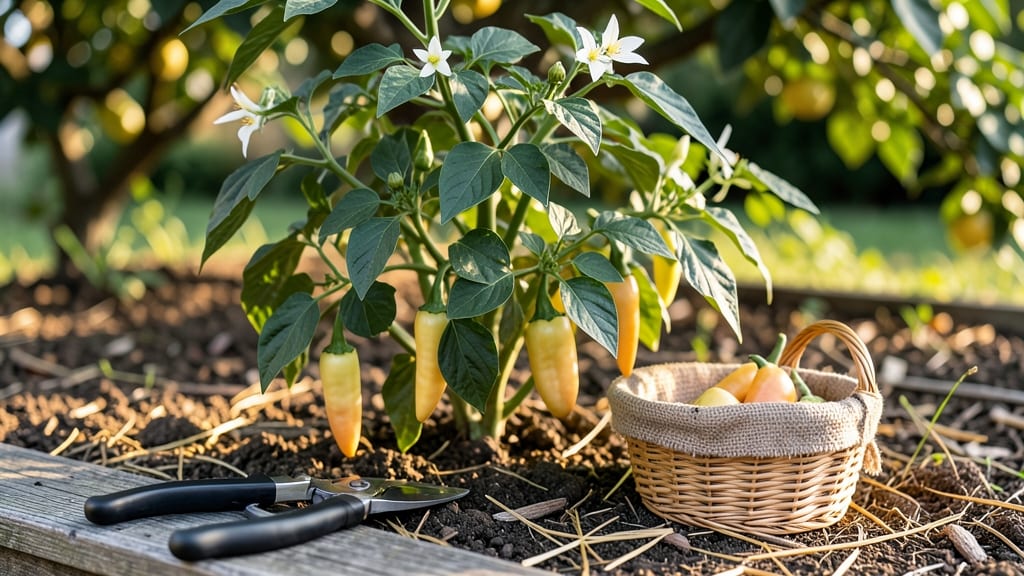
Understanding the hot banana pepper's Scoville heat level reveals it scores 50,000–100,000 SHU, placing it between mild and moderately hot peppers with a fruity, sweet banana flavor that gradually builds into warmth. This makes it significantly less intense than jalapeños but hotter than bell peppers, perfect for adding subtle heat to dishes without overpowering flavors.
The hot banana pepper's heat profile is what makes it stand out in both cooking and gardening. 🔥 Its 50,000–100,000 SHU range means you get a gentle kick that lingers without dominating—ideal for those who want flavor with a touch of spice.
What's fascinating is how its heat develops: you'll notice an initial fruity sweetness that slowly transitions into warmth, unlike peppers that hit you all at once. This makes it perfect for fresh salsas or as a garnish where you want heat to complement rather than overwhelm.
In the kitchen, this pepper shines when you want to enhance dishes without turning them spicy. 💫 For example, slicing it thinly into salads or blending it into marinades lets its unique flavor shine while adding just enough heat.
Gardeners love it too because it's easier to grow than many hotter varieties, thriving in warm climates and producing abundant peppers throughout the season.
💡 In This Article
- How Hot Banana Peppers Compare on the Scoville Scale
- Best Uses for Hot Banana Peppers in Cooking and Gardening
How hot banana peppers compare on the Scoville scale
The hot banana pepper's placement on the Scoville scale—50,000–100,000 SHU—reveals a fascinating balance between heat and flavor. To put this in perspective, a bell pepper registers at 0 SHU (completely non-spicy), while a jalapeño typically measures 2,500–8,000 SHU.
This means a hot banana pepper delivers about 6–12 times the heat of a jalapeño, but only 1–2% of a habanero's intensity (which sits at 100,000–350,000 SHU).
The key lies in its capsaicin concentration: while habaneros flood your mouth with immediate fire, hot banana peppers release their heat gradually, creating a smoother, more controlled experience. 🔥
What makes this pepper unique is its capsaicin distribution. Unlike peppers with concentrated heat in the veins, hot banana peppers spread their spiciness evenly throughout the flesh. This means every bite delivers consistent warmth, which is why chefs love them for sauces and marinades where uniform heat matters.
The pepper's 0.0001–0.0002% capsaicin content (by weight) might sound minuscule, but it's perfectly calibrated to deliver that signature lingering warmth without overwhelming. For comparison, a cayenne pepper has 0.025% capsaicin, making it 100–200 times hotter per gram despite similar Scoville ratings.
Sensory-wise, the heat progression is what sets hot banana peppers apart. When you first bite into one, you'll notice an immediate fruity sweetness with hints of banana and a slight tang—this is the pepper's natural sugars and mild acidity taking center stage.
After 5–10 seconds, the warmth builds gradually, starting at the sides of your mouth before spreading evenly. This delayed onset is due to the pepper's low capsaicin-to-sugar ratio, which creates a more nuanced heat experience than peppers that hit you all at once. 💫
Understanding this heat profile helps explain why hot banana peppers work so well in dishes where you want subtle heat without spice dominance. For example, in a fresh salsa, their warmth enhances other flavors rather than masking them.
The pepper's Scoville range also makes it ideal for pickling or fermenting, where the heat can develop over time without becoming aggressive.
What most people don't realize is that the pepper's heat actually intensifies slightly when cooked, as the cell walls break down and release more capsaicin—this is why many recipes call for roasting or sautéing them before using.
For those curious about the science, the Scoville scale measures heat by diluting capsaicin until it's undetectable. A hot banana pepper's 50,000–100,000 SHU means you'd need to dilute it 50,000–100,000 times in water before the heat disappears.
This might sound extreme, but it's what gives the pepper its signature mild-to-moderate heat that's perfect for everyday cooking.
The pepper's heat also plays a role in its preservation qualities: the capsaicin acts as a natural preservative, which is why hot banana peppers stay fresh longer than many other varieties. ✨
If you're comparing it to other common peppers, here's a quick breakdown:
- Bell Pepper: 0 SHU (no heat), sweet and crunchy
- Jalapeño: 2,500–8,000 SHU, sharp and grassy
- Serrano: 10,000–23,000 SHU, bright and citrusy
- Hot Banana Pepper: 50,000–100,000 SHU, fruity and gradual
- Cayenne: 30,000–50,000 SHU, smoky and sharp
- Habanero: 100,000–350,000 SHU, floral and intense
The hot banana pepper's position in this lineup makes it a standout for those who want heat with complexity. Its 50,000–100,000 SHU range ensures you get enough kick to notice, but not so much that it ruins the meal. 🌟