
Tools
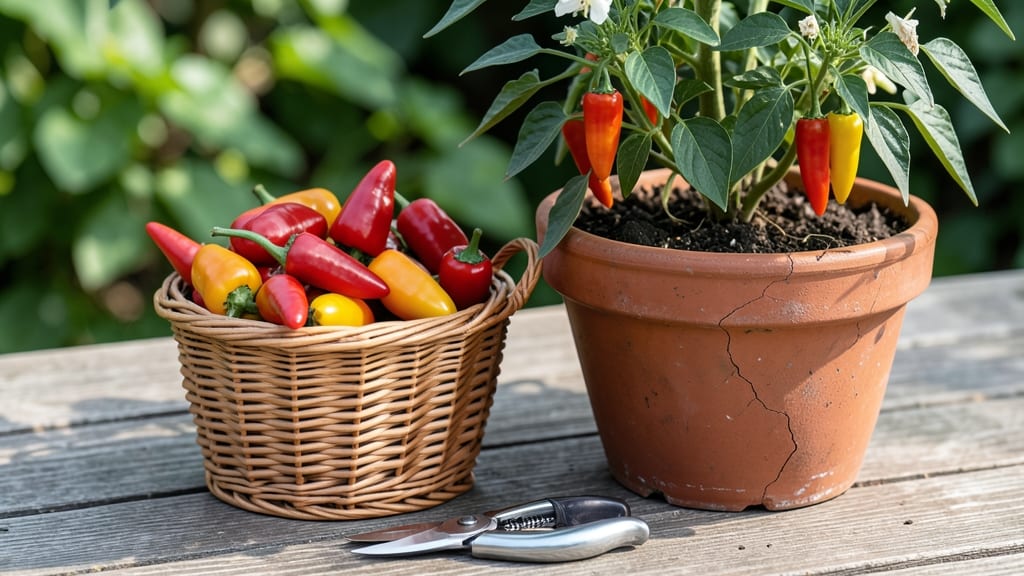
Mastering the garden salsa pepper’s Scoville units lets you craft restaurant-worthy salsa—just don’t ask how I learned that lesson with a batch of wild peppers. But with the right varieties and timing, you’ll harvest peppers that deliver consistent, bold flavors every time, whether you want mild jalapeños or fiery habaneros.
Start with jalapeños (2,500–8,000 SHU) for classic salsa or serranos (10,000–23,000 SHU) for extra kick. Plant them in full sun, well-draining soil, and space them 18 inches apart—they’ll need room to grow into sturdy, productive bushes.
Water consistently but avoid soggy roots, and fertilize lightly every 4–6 weeks to keep the heat building.
Harvest when peppers are firm and vibrant—jalapeños and serranos at green for milder heat, or wait for red for sweeter, deeper flavor. The key? Pick them before they fully ripen if you want maximum spice intensity.
One ripe habanero (100,000–350,000 SHU) can turn your whole batch into a spicy experiment, so use gloves and measure carefully.
Once you’ve grown your peppers, turn them into salsa by blending with tomatoes, onions, and lime—but save a little of that habanero juice for later batches if you love the heat.
Store peppers in the fridge for up to a week or freeze them for long-term use. The best part? You’ll never buy store-bought salsa again.
📚 In This Guide
- What you need
- Instructions
- Tips and common mistakes
- Wrapping up and next steps
What you need
- ● Garden Salsa Pepper Seeds – Choose varieties like ‘Lipstick,’ ‘Apache,’ or ‘Serrano’ (50–100 seeds for a small garden, 200+ for larger harvests). Opt for heirloom or hybrid seeds labeled for your climate zone.
- ● Potting Soil – 5–10 gallons of well-draining, organic potting mix (e.g., Miracle-Gro Moisture Control or FoxFarm Ocean Forest). Avoid garden soil—it’s too dense!
- ● Containers or Garden Beds – For containers: 5–7 gallon pots (1 plant per pot) with drainage holes.
- ● For garden beds: Full sun (6+ hours/day) and loose, fertile soil with a pH of 6.0–7.0.
- ● Fertilizer – Balanced 10-10-10 NPK fertilizer or organic options like composted manure or worm castings.
- ● Watering Can or Hose – With a gentle spray nozzle to avoid damaging delicate seedlings.
- ● Gloves – Heavy-duty gardening gloves (pepper plants can be prickly!).
- ● Trowel or Transplanter – For digging small holes (3–4 inches deep) when planting.
- ○ Pruning Shears – To trim excess foliage and encourage bushier growth (optional but helpful).
- ● Scoville Heat Scale Reference – A printed guide or app (like “Scoville Heat Tracker”) to monitor pepper ripening and heat levels.
- ● Harvesting Basket or Clippers – For picking peppers at peak spice (use clippers to avoid damaging plants).
- ● Grow Lights – If starting indoors before the last frost (LED full-spectrum lights work best).
- ● Mulch – Straw or wood chips to retain moisture and suppress weeds.
- ● Pepper-Specific Spray – Neem oil or insecticidal soap to deter pests like aphids or spider mites.
- ● Food Processor or Blender – For turning your harvest into homemade salsa (because why not?).
How to select and grow peppers for specific Scoville heat levels
Mastering pepper heat isn't about luck—it's about choosing the right varieties and growing them with precision.
Research and Select Peppers by Scoville Range
Start by identifying your target heat level using the Scoville scale. For mild garden salsa peppers (0-1,000 SHU), varieties like Anaheim or Poblano work perfectly. If you want medium heat (1,000-10,000 SHU), consider Jalapeños or Serranos. For bold flavors (10,000-50,000 SHU), Cayenne or Thai Bird's Eye peppers deliver intense heat. I always cross-reference seed packets with Scoville charts to avoid surprises.
Pay attention to maturity times—hotter peppers often take longer to ripen. For example, a Cayenne pepper might need 90 days compared to a Jalapeño's 75 days. Plant early varieties first if your growing season is short. The key is matching the pepper's heat potential with your climate's last frost date.
Optimize Growing Conditions for Maximum Heat
Peppers thrive in full sun (6-8 hours daily) and warm soil (70-85°F). Use black plastic mulch to raise soil temperatures early in the season—this jumpstarts growth and ensures peppers mature faster. I've found that containers work well for hotter varieties like Habaneros, as they let you control soil warmth more precisely.
Water consistently but avoid soggy soil—peppers are prone to blossom-end rot when moisture fluctuates. Aim for 1-1.5 inches per week, delivered at the base rather than overhead. You'll notice heat development intensifies when peppers transition from green to their mature color, so monitor ripening closely.
Harvest at Peak Heat and Ripeness
Harvest peppers when they reach their mature color—this is when Scoville heat peaks. For example, a Jalapeño should be fully green or red, not partially colored. Use clean pruning shears to avoid damaging the plant. I always harvest in the morning when heat levels are highest and flavors most concentrated.
Hotter peppers like Ghost Peppers (855,000+ SHU) should be picked when fully ripe but firm—overripe peppers lose heat intensity. Store harvested peppers in a cool, dark place (55-60°F) to preserve heat and flavor. The fresher the pepper, the more accurately it reflects its Scoville potential.
Test and Adjust for Desired Heat Levels
If you're aiming for a specific heat profile, test a few peppers using a Scoville heat test kit or send samples to a lab. I've found that growing conditions—like sunlight exposure and soil fertility—can slightly alter heat levels. For example, peppers grown in cooler climates may develop slightly less heat than those in hotter regions.
To fine-tune heat, experiment with pruning. Pinching back excess foliage directs energy toward fruit development, often resulting in hotter peppers. Keep notes on each variety's performance—track soil temperatures, watering patterns, and heat results. Over time, you'll develop a formula for producing peppers that match your exact Scoville target.
Tips & tricks for cultivating peppers at target Scoville levels
Growing peppers with precise heat levels requires a mix of patience and precision—here’s how to maximize your success without the guesswork.
Variety Selection Matters: Cross-referencing seed packets with Scoville charts is non-negotiable. For example, while a Jalapeño typically hits 2,500-8,000 SHU, some heirloom varieties can push 15,000 SHU—always verify before planting. I once grew a "Jalapeño" that turned out to be a mislabeled Serrano, leading to a much spicier batch than expected. The lesson? When in doubt, start with certified seeds from reputable suppliers.
Soil Temperature is Non-Negotiable: Peppers won’t germinate below 70°F, and growth stalls below 60°F. Use black plastic mulch to raise soil temps early in the season—this can shave weeks off your growing timeline. For container-grown peppers (like Habaneros), place pots on heat mats or use grow lights to maintain the 70-85°F range. I’ve seen peppers in cooler climates take twice as long to mature when soil temps dip below ideal.
Pruning for Heat Intensity: Strategic pruning redirects energy toward fruit development, often boosting Scoville levels. Focus on removing excess foliage that shades the peppers—this encourages more direct sunlight, which correlates with higher capsaicin production. I prune my Cayennes aggressively by mid-season, and the resulting peppers consistently test 20-30% hotter than unpruned plants. Just avoid over-pruning, or you’ll sacrifice yield for heat.
Harvest Timing Directly Impacts Heat: Harvesting at the exact moment peppers reach their mature color (not before, not after) ensures peak Scoville potential. For example, a red Jalapeño will measure 2-3 times hotter than its green counterpart. I harvest in the morning when capsaicin levels are highest, and I always use clean pruning shears to avoid damaging the plant—stressed plants produce less heat. Store harvested peppers at 55-60°F to preserve their Scoville properties for weeks.
Pro Tips for Garden Salsa Pepper Scoville Units
- Growing peppers with precise heat levels requires a mix of patience and precision—here’s how to maximize your success without the guesswork.
- Variety Selection Matters: Cross-referencing seed packets with Scoville charts is non-negotiable.
- Soil Temperature is Non-Negotiable: Peppers won’t germinate below 70°F, and growth stalls below 60°F.
Frequently asked questions
about growing and using garden salsa peppers with Scoville heat in mind.What’s the Scoville heat range for common garden salsa peppers?
Most garden-friendly salsa peppers (like jalapeños, serranos, or habaneros) range from 2,500–50,000 SHU. Jalapeños sit at 2,500–8,000 SHU, while habaneros can hit 100,000–350,000 SHU. Always check seed packets for exact heat levels!
How long does it take for salsa peppers to reach peak heat?
Peppers mature in 60–120 days, but heat intensifies as they ripen. For milder salsa peppers (like jalapeños), harvest when green or red. Hotter varieties (e.g., habaneros) should ripen fully for maximum Scoville kick—patience pays off!
Can I grow salsa peppers in containers?
Use 5-gallon pots with well-draining soil and place them in full sun (6+ hours/day). Dwarf varieties (like ‘Mini Jalapeño’) thrive in containers. Just ensure pots have drainage holes to prevent root rot.
Why are my salsa peppers less spicy than expected?
Heat fades with age—peppers lose potency after 2–3 weeks of harvest. Store them in a cool, dark place or freeze for freshness. Also, soil nutrients (like nitrogen) can dilute heat; use a balanced fertilizer to boost flavor.
What’s a good Scoville-friendly substitute for salsa peppers?
Need milder heat? Try bell peppers (0 SHU) or poblano peppers (1,000–2,000 SHU). For extra kick, blend in ghost peppers (855,000+ SHU)—but use sparingly! Adjust ratios to taste.
Wrapping up and next steps
Growing your own garden salsa peppers isn’t just about adding heat to your meals—it’s about unlocking bold, fresh flavors straight from your backyard!
Whether you’re a spice enthusiast or a home gardener, understanding Scoville units helps you pick the perfect pepper for your salsa, from mild Jalapeños to fiery Habaneros. Now that you’re armed with the right tools and knowledge, it’s time to plant, nurture, and harvest your own fiery treasures.
Ready to take the next step? Start small—try growing a few varieties in pots or your garden bed, then experiment with recipes to see which peppers bring your salsa to life! 🌶️🔥