
Picking
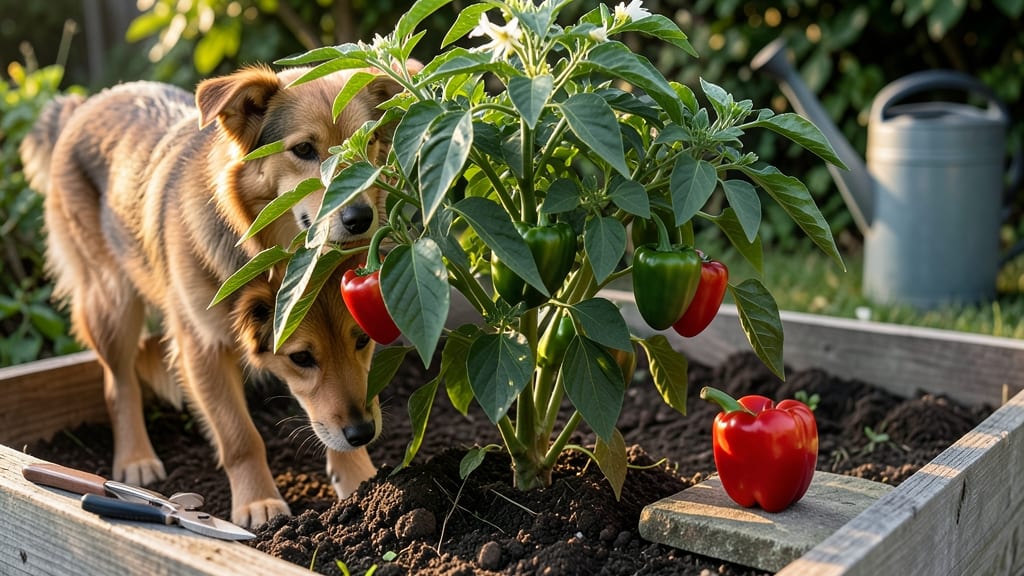
Yes, pepper can hurt dogs by triggering irritation, vomiting, or diarrhea, with severity depending on the type—black pepper is less harmful, while cayenne or chili peppers are highly toxic due to their capsaicin content. Always keep pets away from spicy foods, pepper plants, or sprays.
Pepper's danger to dogs comes from capsaicin, the compound that makes peppers spicy. 🔥 Even small amounts of hot peppers like cayenne or chili can cause drooling, pawing at the mouth, and gastrointestinal upset.
Black pepper is less potent but can still irritate a dog's stomach lining, especially if ingested in large quantities. The key is prevention—store spices securely and supervise your pet during meal prep. If you suspect your dog has eaten pepper, contact your vet immediately, as symptoms can escalate quickly.
For pet owners who love cooking with flavor, there are safe alternatives like mild paprika (check for added spices), turmeric (anti-inflammatory), or fresh herbs such as parsley and basil.
These options add taste without the risk of capsaicin toxicity. Always introduce new foods gradually and monitor your dog's reaction, especially if they have sensitive stomachs.
💡 In This Article
- Toxicity Levels of Pepper in Dogs: Black vs. Chili vs. Spray
- Safe Pepper Alternatives for Pet-Friendly Cooking and Gardens
Toxicity levels of pepper in dogs: black vs. chili vs. spray
The danger pepper poses to dogs stems from capsaicin, the compound responsible for spiciness. Black pepper contains trace amounts of capsaicin (around 0.001% by weight), making it far less toxic than hot peppers like cayenne or jalapeño, which can have 0.01-0.05% capsaicin.
For context, a single cayenne pepper contains roughly 100 times more capsaicin than black pepper by weight. This chemical triggers pain receptors in a dog's mouth, throat, and digestive tract, causing immediate discomfort.
When a dog ingests pepper, the capsaicin binds to TRPV1 receptors—sensory proteins that detect heat and pain—causing a burning sensation. 🌶️ In mild cases (like black pepper), symptoms may include excessive drooling, lip-smacking, or mild stomach upset.
But with hot peppers, reactions escalate to vomiting, diarrhea, or even respiratory distress if inhaled (like from pepper spray). The severity depends on the dog's size: a 10-pound Chihuahua might react to just 1/4 teaspoon of cayenne, while a 70-pound Labrador could tolerate slightly more before showing symptoms.
Pepper sprays are particularly hazardous because they contain concentrated capsaicin (often 2-5% by weight), delivered directly to sensitive mucous membranes. A single exposure can cause intense burning, swelling of the throat, and labored breathing.
The ASPCA reports that dogs exposed to pepper spray may also exhibit panic-like behavior, pawing at their face or mouth. Unlike food ingestion, where symptoms may take 30-60 minutes to appear, pepper spray reactions can be immediate and require emergency veterinary care if breathing becomes difficult.
Digestive sensitivity varies by breed—brachycephalic dogs (like Bulldogs or Pugs) are more vulnerable due to their narrower airways and higher risk of respiratory obstruction.
Their bodies may also absorb capsaicin more quickly, leading to faster symptom onset. 🐾 For example, a Bulldog might show signs within 10-15 minutes of ingestion, while a Border Collie could take up to 2 hours to react.
This variation highlights why pet owners should never assume their dog can "handle" pepper like humans do.
Even black pepper isn't risk-free: large quantities can irritate a dog's stomach lining, leading to gastritis or pancreatitis in sensitive individuals. The Scientific American notes that dogs lack the enzyme capsaicin hydrolase, which humans use to metabolize spicy compounds efficiently.
Without this enzyme, capsaicin lingers longer in their systems, prolonging discomfort. This is why even "mild" peppers can cause prolonged symptoms in dogs.
If you suspect your dog has ingested pepper, act fast: induce vomiting only if instructed by a vet (hydrogen peroxide is outdated—use apomorphine or seek professional help). Rinse their mouth with cool water (never milk or bread, which can worsen choking risks).
For pepper spray exposure, flush the eyes and skin with lukewarm water for 15-20 minutes while monitoring for breathing difficulties. Prevention is key—store spices in airtight containers** and avoid using pepper-based deterrents near pets.