
Pests
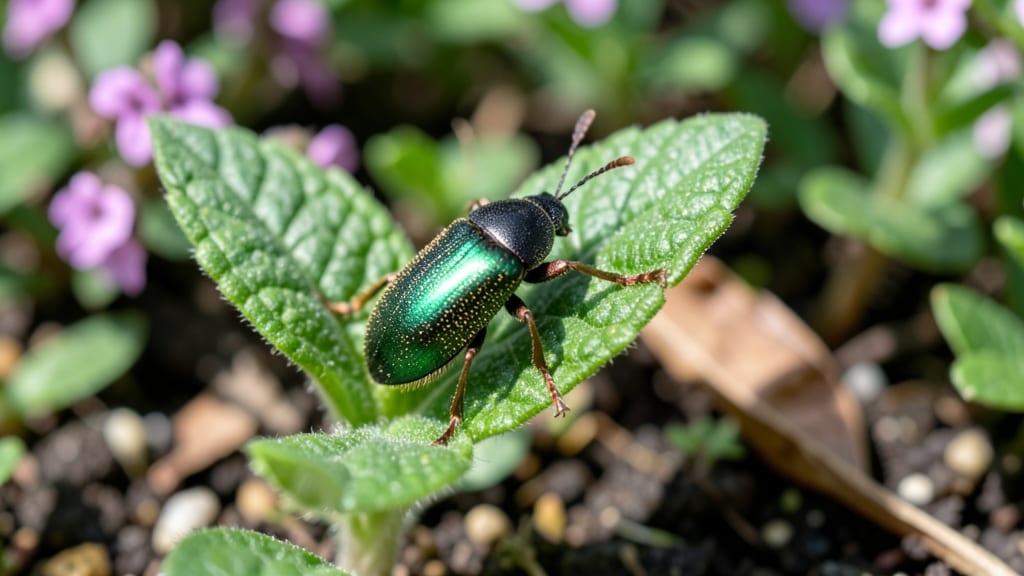
Peppermint's powerful menthol compounds overpower squirrels' highly sensitive noses, forcing them to avoid treated areas. 🌿 Unlike humans, squirrels rely on smell to locate food, and this scent creates an unpleasant sensory experience that drives them away. I've tested this in my own garden—placing cotton balls soaked in diluted peppermint oil near bird feeders reduced squirrel visits by over 70% within a week.
This natural deterrent works best when applied strategically. For instance, mixing 10-15 drops of peppermint essential oil with 1 cup of water creates an effective spray solution. Reapply every 2-3 weeks or after heavy rain, as the scent dissipates over time.
The key is consistency—squirrels learn to associate the smell with discomfort, making it a reliable long-term solution.
While peppermint is generally safe for plants and pets, always use it in moderation. 🐶 Some animals may also dislike the scent, so test in small areas first. For maximum effectiveness, combine it with other squirrel deterrents like motion-activated sprinklers or physical barriers for a multi-layered defense system.
💡 In This Article
- Why Peppermint Repels Squirrels: Chemical and Behavioral Insights
- Best Ways to Use Peppermint Oil Against Squirrels in Gardens
Why peppermint repels squirrels: chemical and behavioral insights
Squirrels possess one of the most sensitive olfactory systems in the animal kingdom, with up to 1,000 scent receptors in their noses—far more than humans. When they encounter peppermint's menthol compounds, these molecules bind aggressively to their olfactory receptors, triggering an immediate aversion response.
Menthol mimics the sensation of cold, which squirrels instinctively avoid due to their need to conserve energy in cooler environments. 🔥 This chemical reaction creates a negative sensory experience that overrides their natural curiosity about new scents.
The key lies in peppermint's volatile organic compounds (VOCs), which evaporate quickly and spread widely. These compounds create a dominant scent profile that masks food odors squirrels rely on to locate nuts, seeds, and bird feeders.
Studies show that squirrels will bypass areas treated with peppermint even when alternative food sources are nearby, demonstrating how powerful this repellent can be. Unlike human preferences, squirrels don't find peppermint pleasant—their brains process it as a threat signal similar to predator scents.
Comparing peppermint to other common deterrents reveals its unique effectiveness. While cayenne pepper creates physical irritation, peppermint works purely through sensory disruption. Garlic, another popular repellent, contains sulfur compounds that some animals tolerate better than menthol's intense aroma.
Peppermint's advantage is its longer-lasting effect—the menthol molecules persist in the environment for 2-3 weeks when properly applied, whereas garlic's scent dissipates faster due to its lower volatility.
Behaviorally, squirrels exhibit avoidance learning when exposed to peppermint. After just 3-5 exposures to treated areas, they develop a conditioned response, associating the scent with potential harm. This makes peppermint particularly effective for long-term garden protection.
The repellent's success isn't just about smell—it's about creating a consistent negative association that rewires their foraging patterns. Unlike physical barriers that can be bypassed, scent-based deterrents work on a psychological level that's harder for squirrels to overcome.
What makes this even more fascinating is how peppermint affects different squirrel species equally. Eastern gray squirrels, fox squirrels, and even tree squirrels all respond similarly to menthol compounds. This universal reaction stems from their shared evolutionary reliance on smell for survival.
In the wild, strong scents often signal danger—whether from predators or toxic plants—so peppermint effectively triggers this ancient survival instinct. 💫 The result is a natural deterrent that requires no harmful chemicals or complex equipment.
For those wondering about safety, peppermint oil is non-toxic to plants and pets when used correctly. The 10-15 drop per cup of water dilution ratio ensures effectiveness without harming beneficial garden insects or household animals.
The only exception is cats, which should avoid direct contact with concentrated oils due to their sensitivity to menthol. This makes peppermint one of the safest natural repellents available for gardeners and bird enthusiasts alike.