
Pests
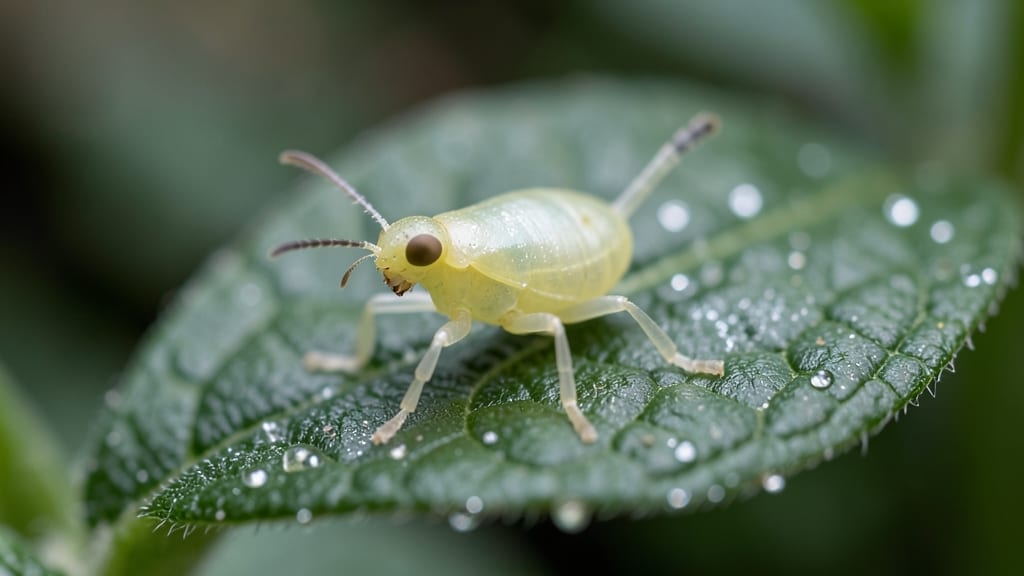
The first time I spotted those skeletonized pepper leaves, I knew my garden was under siege. 🌿 Bell pepper insects like aphids, hornworms, and flea beetles can turn vibrant plants into sad, chewed-up shadows—but there’s a foolproof organic spray that stops them in their tracks within hours.
Most gardeners wait until the damage is obvious before acting, but the key is early intervention. Aphids cluster on new growth, hornworms leave behind half-eaten leaves, and flea beetles create tiny shot holes.
The moment you see these signs, grab your spray bottle—neem oil or insecticidal soap mixed with water works faster than you’d think.
By following this method, you’ll see pests drop off within 24 hours, and your peppers will bounce back with fresh, undamaged foliage. The spray is safe for plants (and pollinators) when used correctly, and it prevents future outbreaks if applied weekly during peak pest season.
Works for all bell pepper varieties, whether you’re growing in the ground, containers, or raised beds. Let’s get those pests under control before they ruin your harvest!
Root Causes Of Pest Attacks
When your bell peppers become a buffet for insects, it’s rarely just bad luck—there’s usually a mix of environmental, plant health, and habitat-related factors at play. Understanding these triggers helps you take precise action to stop the problem before it spirals.
Here’s why pests target your peppers and how to recognize the signs early.
Healthy plants naturally repel many pests because they produce strong, bitter compounds that deter insects. But when bell peppers are stressed—whether from nutrient deficiencies, overwatering, or disease—they become easy prey. Here’s how it breaks down:
- Nitrogen deficiency: Yellowing leaves (chlorosis) signal weak growth, making peppers more attractive to chewing insects like hornworms and aphids, which seek soft, nutrient-rich tissue.
- Overwatering or poor drainage: Soggy soil invites root maggots and fungus gnats, while waterlogged roots can’t absorb nutrients efficiently, further stressing the plant.
- Viral or bacterial infections: Diseases like bacterial spot or powdery mildew create entry points for secondary pests (e.g., spider mites thrive on weakened foliage).
💡 Pro Tip: Conduct a simple soil test (pH 6.0–6.8 is ideal for peppers) and fertilize with a balanced organic formula (e.g., fish emulsion or compost tea) to boost resilience. Healthy plants are the first line of defense!
Pests like aphids, whiteflies, and thrips thrive in dense, shaded environments where they can move between plants unseen. Overcrowding creates:
- Microclimates: Humid, sheltered spots under thick foliage trap moisture—perfect breeding grounds for fungus gnats and slugs.
- Easy movement: Insects hop from plant to plant without natural predators (like ladybugs or lacewings) catching them.
- Reduced airflow: Stagnant air slows evaporation, keeping leaves damp longer and inviting spider mites (which prefer dry conditions but attack stressed plants).
✨ Actionable Fix: Space bell peppers 18–24 inches apart and prune lower leaves to improve airflow. Interplant with basil or marigolds—their strong scents repel pests naturally.
Planting the same crop year after year (like rows of bell peppers) signals to pests like pepper maggots or colorado potato beetles that your garden is a reliable food source. These insects evolve to target specific plants, leading to:
- Population explosions: Without natural predators or crop rotation, pests multiply unchecked.
- Resistance to treatments: Over-reliance on chemical sprays can create pest strains that ignore them.
- Soil depletion: Repeated planting exhausts nutrients, further weakening plants and making them vulnerable.
🎯 Solution: Practice crop rotation—avoid planting peppers (or nightshades like tomatoes) in the same spot for 3+ years. Add cover crops (e.g., clover) in off-seasons to disrupt pest life cycles.
Pests are opportunistic, and their activity spikes during:
- Warm, dry spells: Spider mites and thrips multiply rapidly in heat (above 85°F), while their eggs dry out in cold snaps—so early summer is peak risk.
- Heavy rains: Washed-away natural predators (like ground beetles) leave pests like cutworms unchecked. Rain also spreads fungal diseases, attracting secondary insects.
- Late-season stress: As peppers mature, they produce more sugars, attracting fruit flies and hornworms to feed on ripening fruit.
🌡️ Adapt Quickly: Use row covers in early spring to block flying pests, and mulch with straw to regulate soil moisture. Monitor weather forecasts—pests surge after sudden temperature drops.
By addressing these core triggers, you’ll disrupt the cycle that turns your garden into an insect buffet. The key? Prevention through health, diversity, and vigilance. Once you spot the patterns, you can act faster—and keep those peppers pest-free! 🌿🔥
Quick Fixes for Garden Pests
Now that you know what’s munching on your bell peppers, let’s tackle the problem with effective, organic solutions tailored to the culprit. Below, we’ll break down cause-specific fixes, from immediate action to long-term prevention—so you can reclaim your garden without harsh chemicals.
---
Signs: Sticky residue (honeydew), curled leaves, or clusters of tiny green/black bugs on stems.
#### 🔥 Immediate Action: Knock Them Off Fast - Blast with water: Use a strong stream from a hose (early morning or evening) to dislodge aphids. Repeat every 2–3 days. 💦 - Neem oil spray: Mix 1 tsp neem oil + 1 tsp mild soap + 1 quart water.
Spray directly on infested areas (avoid flowering peppers). Reapply after rain. 🌿 - Ladybugs to the rescue: Release beneficial insects (like ladybugs or lacewings) in the evening—they love aphids and won’t harm your peppers. 🐞
#### 🌱 Prevention for Next Season - Interplant with basil or marigolds—their strong scents repel aphids. 🌼 - Encourage natural predators by planting dill, fennel, or yarrow nearby. - Avoid over-fertilizing with nitrogen—aphids thrive on tender, fast-growing plants.
---
Signs: Large green worms (2–4 inches) with white stripes, devouring leaves overnight.
#### 🍳 Handpick & Dispose (Best First Step!) - Go hunting at dawn/dusk when they’re sluggish. Drop them into soapy water (they’ll dissolve instantly). 🕷️ - Check undersides of leaves—they camouflage well!
#### 👨🍳 Organic Sprays for Stubborn Cases - Bacillus thuringiensis (Bt): A natural bacteria that targets caterpillars. Mix with water per label and spray evenly on leaves.
Safe for humans and pets! 🦠 - Spinosad spray: Derived from soil bacteria, it’s highly effective but use sparingly (reapply every 5–7 days).
#### 🥘 Long-Term Defense - Plant basil, dill, or thyme nearby—hornworms avoid these scents. 🌿 - Remove egg masses (small white clusters on leaves) daily—they hatch fast! - Use row covers for young plants to block egg-laying moths. 🛡️
---
Signs: Punctured leaves (like shotgun holes), yellowing plants, and tiny black beetles darting away when disturbed.
#### ⏰ Early Morning Trap & Spray - Yellow sticky traps: Place near pepper plants to catch adult beetles before they lay eggs. 🎯 - Diatomaceous earth (DE): Sprinkle food-grade DE around the base of plants—it dehydrates beetles on contact.
Reapply after rain. 💧 - Kaolin clay spray: Mix 1 cup clay + 1 gallon water, stir well, and spray on leaves. Creates a barrier they hate. 🏖️
#### 🌡️ Prevention Tips - Mulch heavily with straw or grass clippings—beetles struggle to burrow in. - Rotate crops yearly to disrupt their life cycle. - Plant trap crops like radishes or mustard greens to lure them away from peppers.
---
Signs: Fine webbing on leaves, stippled or silvered foliage, and tiny moving dots (use a magnifying glass).
#### 🔪 Blast & Wash Infested Areas - Rinse plants with water (mites hate humidity). Do this every 2–3 days for 2 weeks. 💦 - Neem oil or insecticidal soap: Spray undersides of leaves (where mites hide). Repeat weekly. 🌿
#### 🎯 Proactive Control - Encourage predatory mites** (like Phytoseiulus persimilis)—they eat spider mites but nothing else! 🕷️ - Avoid overwatering—mites thrive in dry conditions. - Prune heavily infested leaves and dispose of them in a sealed bag.
---
- Inspect plants daily—catch problems before they spread. 👀 - Rotate planting locations yearly to break pest cycles. 🌱 - Plant companion flowers (marigolds, nasturtiums) to repel pests naturally. 🌼 - Keep your garden clean—remove debris where pests hide. 🧹
--- Need a faster fix? For immediate relief, a homemade garlic-chili spray (blend 2 garlic cloves + 1 tbsp cayenne + 1 quart water, strain, and spray) deters most chewing insects within hours. 🌶️🧄
With these targeted strategies, your bell peppers will be pest-free in no time—and you’ll enjoy a bumper crop without chemicals! 🌱🍅
Frequently asked questions
What are the most common insects that attack bell peppers?
The top culprits include aphids (tiny green/black clusters), hornworms (large green striped caterpillars), flea beetles (tiny jumping black beetles), and spider mites (invisible until webs appear). Early identification is key—check undersides of leaves and new growth daily.
How do I know if my bell pepper plants are seriously infested?
Look for 50%+ leaf damage, holes in fruit, or visible pests during daylight. Aphids leave sticky honeydew, hornworms skeletonize leaves overnight, and spider mites create fine webbing. If you see these signs, act within 48 hours to prevent crop loss.
Can I use chemical pesticides on bell peppers?
Only as a last resort—organic methods like neem oil or insecticidal soap work first. If you must use chemicals, choose pyrethrin-based sprays (derived from chrysanthemums) and apply at dusk to protect pollinators. Always follow label instructions for edible crops.
Will companion planting really keep pests away?
Plant basil, marigolds, or thyme nearby—their strong scents repel aphids and flea beetles. For hornworms, try dill or fennel. Space companions 12–18 inches from peppers to maximize effectiveness.
How often should I spray my bell peppers for pests?
Apply organic sprays every 5–7 days during peak pest season (late spring to early summer). After heavy rain or if pests return, reapply immediately. For prevention, a weekly garlic-chili spray deters most insects naturally.