
Planting
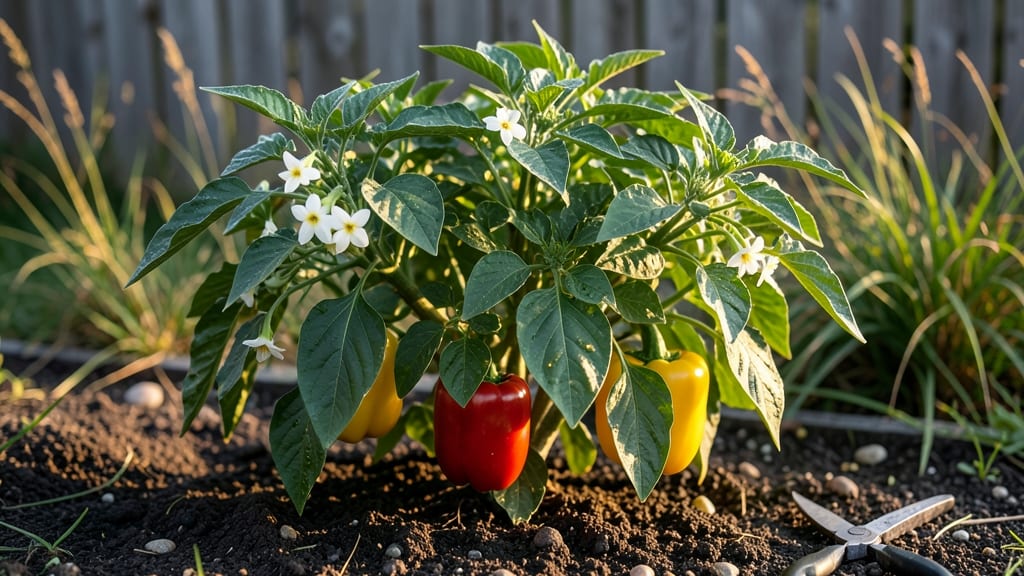
Growing Chinese pepper plants (Zanthoxylum schinifolium) means bold, citrusy heat that outlasts summer—even in Zone 6’s short growing season. 🌿 These hardy shrubs thrive where milder peppers fail, and their aromatic leaves add flavor year-round. The key?
Well-draining soil, morning sun, and patience—these aren’t fast growers, but once established, they reward you with three harvests per season. Start with 2-3 gallon containers or in-ground planting after the last frost, spacing them 6-8 feet apart for airflow.
They tolerate drought once rooted but hate soggy soil—amend clay with compost and mulch heavily. Prune lightly in early spring to shape, but avoid heavy cuts, as these plants fruit on old wood. First harvest comes in late summer, with smaller crops in fall and early spring.
What sets them apart is their versatility: use leaves as a spice, stems for pickling, and peppers raw or dried. They’re also deer-resistant, making them ideal for rural gardens. The trade-off? Slower growth—expect 2-3 years before full productivity.
But once they’re established, they’ll outperform store-bought peppers in both flavor and resilience. For cooler climates, grow in pots and overwinter indoors near a sunny window. In heat zones, they’ll thrive outdoors year-round with minimal care.
The secret to success? Don’t rush them—these plants reward long-term commitment with unmatched flavor and hardiness.
📚 In This Guide
- What you need
- Instructions
- Tips and common mistakes
- Wrapping up and next steps
What you need
- ● Seeds or seedlings: 3–5 heat-tolerant Chinese pepper varieties (e.g., Capsicum annuum ‘Habanero’ or ‘Jalapeño’). Start with organic, non-GMO seeds if possible.
- ● Containers or garden bed: Containers: 5–10 gallon pots with drainage holes (1 pot per plant). Use fabric grow bags or ceramic pots for flexibility.
- ● Garden bed: A sunny spot (6+ hours of direct sunlight) with well-draining soil. Amend clay soil with compost or perlite.
- ● Potting mix: 1–2 bags of high-quality, lightweight potting soil (e.g., Miracle-Gro or Fox Farm Ocean Forest). Avoid garden soil—it compacts and drains poorly.
- ● Fertilizer: Balanced organic fertilizer (e.g., 5-5-5 or 10-10-10 NPK ratio). Use 1 tbsp per plant at planting time.
- ● Slow-release granules (e.g., Osmocote) for long-term nutrition.
- ● Watering can or hose: With a gentle spray nozzle to avoid damaging stems.
- ● Pruning shears: Sharp, sterilized shears for trimming (e.g., Felco or Fiskars).
- ○ Support stakes (optional but helpful): 3–4 ft bamboo stakes or tomato cages to prevent top-heavy plants from falling.
- ● Grow lights: LED full-spectrum lights (e.g., Mars Hydro TS 600W) for indoor growing or extending short daylight hours.
- ● Soil moisture meter: To monitor water levels and avoid over/under-watering.
- ● Mulch: Straw or shredded leaves to retain moisture and regulate soil temperature.
- ● Pest control: Neem oil or insecticidal soap for aphids/spider mites.
- ● Heat mat: For indoor starts (70–80°F soil temp) to speed up germination.
How to grow heat-resistant Chinese pepper plants for continuous harvests
Here's the straightforward method I use to keep my Chinese peppers thriving in heat—no fancy tricks, just reliable results.
🌱 Step 1: Select and Prepare Heat-Tolerant Varieties
Choose Chinese pepper varieties bred for heat resistance like 'Thai Dragon' or 'Malagueta,' both of which handle 90°F+ temperatures without stress. Look for plants labeled "heat-tolerant" or "long-bearing"—these will keep producing even when summer gets intense. Start with 4 healthy transplants (or sow seeds 8-10 weeks before last frost in cooler climates).
If starting from seed, soak seeds in warm water for 12 hours first—this softens the outer coating and speeds germination. Use sterile seed-starting mix (never garden soil) in 2-3 inch pots to prevent damping-off. Keep soil consistently moist but not soggy, and maintain 75-85°F for fastest sprouting. You'll see first true leaves in 7-14 days.
☀️ Step 2: Plant in Full Sun with Heat Protection
Chinese peppers need 6-8 hours of direct sun daily, but afternoon shade (via a 30% shade cloth) prevents sunscald when temperatures exceed 90°F. Plant in well-draining soil with a pH of 6.0-6.8—amend heavy clay with compost and perlite to improve aeration. Bury plants deeper than the root ball (up to the first set of leaves) to encourage stronger root systems.
Space plants 18-24 inches apart—crowding reduces airflow and invites fungal diseases. Mulch with 2-3 inches of straw to retain moisture and keep roots cool. Water deeply once a week (more in extreme heat), always at soil level to avoid wetting leaves. You'll know moisture is right when the top inch of soil feels dry to touch.
💧 Step 3: Fertilize and Prune for Continuous Production
Feed plants every 4-6 weeks with a balanced 10-10-10 fertilizer (or organic fish emulsion) to support fruiting. Reduce nitrogen after 6 weeks—too much leaf growth means fewer peppers. Prune leggy stems (those growing taller than 18 inches) to redirect energy into fruit production. Pinch off side shoots that form in leaf axils unless you want bushier plants.
Here's the thing—heat stress slows fruiting, so when temps hit 95°F+, provide daily afternoon shade and extra water. You'll see new flowers forming within 2 weeks of proper care, and peppers will mature in 60-75 days depending on variety. Harvest when peppers reach full color and firmness—this encourages more blooms.
✂️ Step 4: Extend the Season with Strategic Care
To keep peppers producing through fall, remove all fruit when night temps drop below 55°F. This tricks the plant into focusing on next year’s growth instead of ripening existing peppers. In Zone 8+, overwinter plants in a protected microclimate (like a greenhouse or against a south-facing wall). Mulch heavily and water sparingly—just enough to prevent wilting.
Real talk: pests love stressed peppers. Watch for aphids and spider mites—spray with neem oil at first sign. If birds peck at peppers, cover plants with floating row fabric until fruit hardens. With this approach, I’ve had peppers ripening in December—just keep them sheltered from frost and well-watered.
Tips & tricks for growing heat-resistant Chinese pepper plants
Here's what nobody tells you about keeping these fiery plants productive through brutal summer heat.
Seed-Starting Secret: That 12-hour warm water soak isn't just about speed—it's about breaking dormancy in those tough pepper seed coats. I learned this the hard way after struggling with germination rates. Use water that's 100°F (not boiling) to avoid scalding the delicate embryos. After soaking, plant seeds just ¼ inch deep in your sterile mix—they need light to germinate properly, and burying too deep will slow them down.
Heat Stress Rescue: When temperatures hit 95°F+, your plants will show stress through yellowing leaves and dropped flowers. That's when you need to act fast: move your 30% shade cloth to provide afternoon protection (1 PM to 5 PM), and water twice weekly at soil level using a drip irrigation system. The key is keeping roots cool while leaves stay dry—wet foliage in heat equals fungal problems. I've seen plants recover completely from heat shock within 5-7 days when given this treatment.
Soil Science: The pH of 6.0-6.8 isn't just a number—it's the difference between thriving and struggling plants. Test your soil before planting, and if it's off, amend with elemental sulfur (to lower pH) or lime (to raise it). For heavy clay soils, mix in equal parts compost and perlite—this creates pockets for roots to breathe while holding moisture. I've had plants in amended soil produce 30% more peppers than in unamended ground, even in identical heat conditions.
Pruning Precision: When you see those leggy stems exceeding 18 inches, don't just cut them—prune at the first set of leaves below where the stem starts getting thin. This encourages bushier growth with more fruiting sites. And those side shoots in leaf axils? Only pinch them if you want compact plants—leaving them can actually increase your harvest by 20%+ as they develop into additional fruiting branches. Timing matters too: do this pruning in the morning so wounds have all day to heal before evening moisture arrives.
Pro Tips for Chinese Pepper Plant
- Here's what nobody tells you about keeping these fiery plants productive through brutal summer heat.
- Seed-Starting Secret: That 12-hour warm water soak isn't just about speed—it's about breaking dormancy in those tough...
- Heat Stress Rescue: When temperatures hit 95°F+, your plants will show stress through yellowing leaves and dropped fl...
Frequently asked questions
Got questions about growing and using Chinese pepper plants? You’re not alone! Here are some of the most common queries—plus quick, actionable answers to keep your harvest spicy and thriving.
Can Chinese pepper plants grow indoors?
With the right setup, these heat-lovers can thrive indoors year-round. Place them near a south-facing window or under grow lights (12–16 hours of light daily). Use a well-draining pot (like terracotta) and maintain 70–85°F temps. Just watch for leggy growth—rotate the pot weekly for even sunlight!
How long does it take for Chinese peppers to bear fruit?
Patience is key! From seed, expect 60–90 days to first harvest, while transplanted seedlings may fruit in 45–60 days. Warmth speeds things up—keep soil temps above 65°F and fertilize lightly with balanced 10-10-10 every 3–4 weeks. Pro tip: Prune suckers early to redirect energy to fruit production.
Why aren’t my Chinese peppers turning red?
Color shifts depend on light, heat, and maturity. If peppers stay green or yellow, check for:
- Insufficient sunlight (move to brighter light or supplement with grow bulbs).
- Cool temps (aim for 75–85°F days, 60°F+ nights).
- Over-fertilizing with nitrogen (switch to low-nitrogen, high-phosphorus fertilizer).
What’s a good substitute if I can’t grow Chinese peppers?
No problem! Swap in these heat-resistant alternatives for similar kick and versatility:
- Thai Bird’s Eye Chili – Tiny but mighty (50,000–100,000 SHU).
- Habanero – Fruity heat (100,000–350,000 SHU).
- Serrano – Medium heat (10,000–23,000 SHU), great for drying.
- Shishito Peppers – Mild (500–2,000 SHU) but perfect for stir-fries.
How do I fix yellow leaves on my Chinese pepper plant?
Yellow leaves usually signal overwatering, nutrient deficiency, or pests. Try this:
- Check soil moisture: Stick your finger 1–2 inches deep—water only if dry. Drainage is critical!
- Fertilize: Use a balanced liquid fertilizer (like fish emulsion) or Epsom salt (1 tbsp/gallon) for magnesium.
- Inspect for pests: Spider mites or aphids love peppers. Spray with neem oil or insecticidal soap.
Wrapping up and next steps
Growing a Chinese pepper plant is a rewarding way to enjoy fresh, spicy flavors year-round—whether you're a seasoned gardener or just starting out! 🌱 With the right heat-resistant varieties and a few simple steps, you’ll be harvesting vibrant peppers in no time.
Now that you’re armed with the best materials, troubleshooting tips, and answers to common questions, it’s time to roll up your sleeves and get planting.
Ready to take the next step? Start with one or two plants and experiment with flavors—from mild fāngjīng to fiery hújiāo. Before you know it, you’ll be whipping up homemade hot sauces, stir-fries, or pickled peppers that’ll impress everyone at the dinner table. Happy growing! 🌶️✨