
Propagation
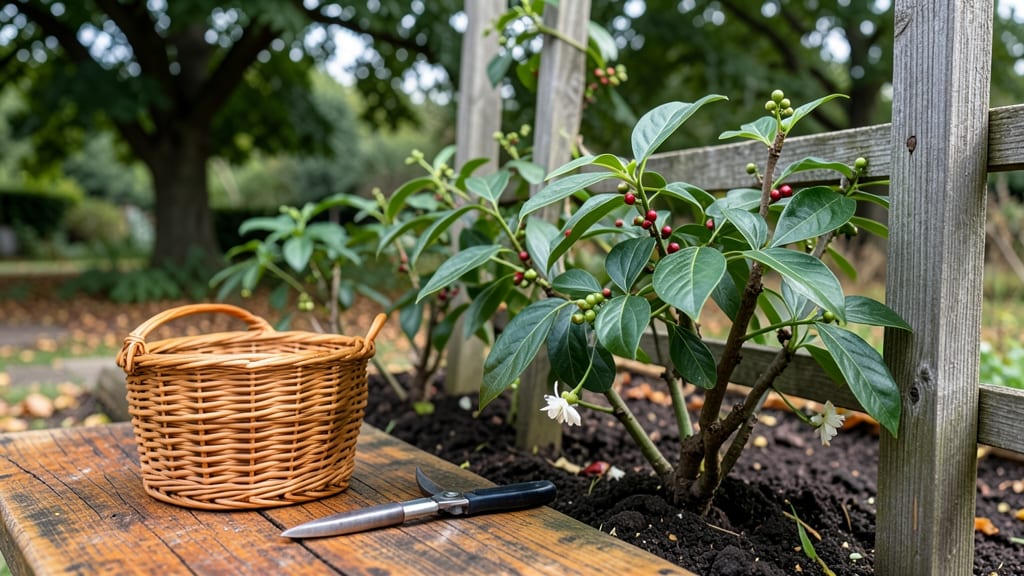
Black peppercorns come from the Piper nigrum vine, a tropical evergreen originally native to southern India's Malabar Coast, now widely cultivated in Vietnam, Indonesia, and Brazil. These dried berries thrive on climbing vines in warm, humid climates with well-drained soil and partial shade.
Black peppercorns belong to the Piperaceae family, which includes over 1,000 species of pepper plants. The Malabar Coast remains the historical heartland of pepper cultivation, where the climate's perfect balance of heat and humidity creates ideal growing conditions.
Today, Vietnam produces nearly half the world's supply, thanks to its tropical lowlands and advanced farming techniques. 🌿 The peppercorn's pungency actually develops during the drying process, where enzymes transform mild green berries into the spicy black gems we know.
What makes these vines so fascinating is their climbing habit—they can grow up to 30 feet if given proper support. The berries change color from green to red to black as they ripen, and each stage affects flavor intensity.
While India's Kerala state remains a cultural hub for pepper, modern farms in Brazil and Indonesia have perfected large-scale production methods that maintain quality while meeting global demand.
💡 In This Article
- Black Pepper’s Tropical Origins and Climate Requirements
- How to Grow Black Pepper Vines at Home or in a Garden
Black pepper’s tropical origins and climate requirements
The Piper nigrum vine thrives exclusively in tropical climates where temperatures hover between 68-86°F year-round, with no frost risk. These vines belong to the Piperaceae family, which also includes chili peppers and betel pepper, but P. nigrum stands out for its delicate balance of heat and aroma.
The plant’s native range along India’s Malabar Coast receives 100-150 inches of annual rainfall, creating the ideal humid environment for vine growth. 🌿 Without this moisture, the berries develop unevenly, reducing both yield and pungency.
Soil composition plays a critical role too—pepper vines demand well-drained, slightly acidic soil with a pH between 5.5-6.5. The Western Ghats mountain range in Kerala provides perfect conditions with its nutrient-rich laterite soils, which retain moisture while preventing waterlogging.
Modern farms in Vietnam’s Central Highlands replicate these conditions using raised beds and irrigation systems, allowing production even in flat terrain. The vines’ climbing habit means they need trellises or trees to reach their full 30-foot potential, maximizing sunlight exposure for berry development.
What most people don’t realize is how climate directly affects peppercorn quality. The drying process—where berries turn from red to black—must occur in 70-80°F conditions with 60-70% humidity to develop optimal piperine (the compound responsible for spiciness).
In Kerala, farmers traditionally dry peppercorns in the sun, while Vietnamese producers use controlled dehydration chambers to maintain consistency. This precision explains why Vietnamese pepper often ranks among the world’s most pungent—its climate allows for perfect enzyme activation during drying. ✨
Historically, Kerala’s monsoon-driven climate created ideal conditions for wild pepper vines, which early traders recognized as superior. Today, Brazil’s pepper regions (like Bahia) leverage their year-round growing season to produce two harvests annually, while Indonesia’s Sumatra island benefits from volcanic soils rich in minerals.
The key difference between these regions? Elevation—higher-altitude farms in Kerala produce pepper with more complex flavor notes, while lowland farms prioritize yield volume.
For home gardeners in non-tropical zones, replicating these conditions requires creativity. Growing pepper vines indoors under grow lights with 70% humidity (achieved via humidifiers) can yield small harvests, though commercial-scale pungency remains challenging. The most critical factor?
Maintaining consistent warmth—dropping below 60°F for more than a few hours can stunt growth or cause berry drop. This is why commercial pepper farms invest heavily in climate-controlled greenhouses, ensuring year-round production regardless of external weather patterns. 🌍
Understanding these climate requirements explains why black pepper remains a luxury spice in some regions. The combination of precise temperature, humidity, and soil conditions creates a delicate balance that’s difficult to replicate outside tropical zones.
This is why historical trade routes followed pepper’s natural growing patterns—from the Malabar Coast to the spice markets of Europe and the Middle East. Even today, the world’s finest peppercorns trace back to these original climate conditions, where centuries of agricultural tradition have perfected the art of pepper cultivation. 💫