
Pests and Diseases
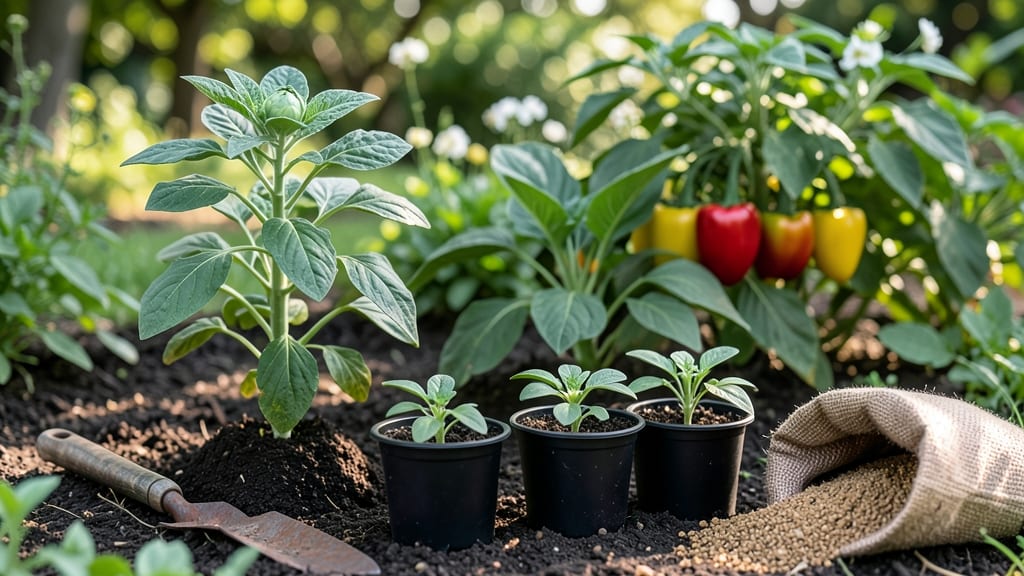
Brussels sprouts and peppers actually make great garden neighbors because they repel each other's pests naturally. Peppers deter cabbage moths (a major Brussels sprouts threat), while the sprouts' strong scent keeps some pepper pests away.
Their different root depths—peppers spread wider but shallow, while Brussels sprouts grow deeper—mean they won't compete aggressively for soil nutrients. 🌱 The key is giving peppers 18-24 inches of space and Brussels sprouts 12-18 inches, with peppers planted first in warmer spring soil and sprouts added 4-6 weeks later when nights cool.
For small gardens, use containers—peppers thrive in 5-gallon pots while Brussels sprouts need 7+ gallons—and place them side by side along a fence or trellis. In ground beds, create "zones" where peppers get full sun all day and sprouts get afternoon shade during peak summer heat.
This layout lets you harvest both crops simultaneously: peppers ripen in 70-80 days while Brussels sprouts mature over 90 days, giving you a continuous harvest window.
💡 In This Article
- Companion Planting Benefits of Brussels Sprouts and Peppers
- Optimal Planting Layouts for Maximum Yield
Companion planting benefits of Brussels sprouts and peppers
Peppers and Brussels sprouts create a natural pest-repelling duo because their chemical profiles confuse common garden pests. Peppers emit a mild capsaicin scent that deters cabbage moths—the primary threat to Brussels sprouts—while the sprouts' strong sulfur compounds help repel flea beetles, which target pepper seedlings.
This mutual protection happens because both plants release volatile organic compounds (VOCs) that mask each other's scent trails, making it harder for pests to locate them. 🌱 The relationship goes beyond just pest control; their different growth habits actually improve soil structure.
Brussels sprouts develop deep taproots that can reach 18-24 inches below the surface, accessing nutrients and moisture from lower soil layers, while peppers have shallower but wider fibrous roots that spread horizontally.
This complementary root system means they don't compete aggressively for the same nutrients—peppers primarily use nitrogen and potassium from the top 6-12 inches of soil, while Brussels sprouts draw calcium and magnesium from deeper layers.
The result is more efficient nutrient utilization, with peppers helping break down organic matter in the upper soil while Brussels sprouts access minerals from below.
Temperature preferences create another layer of compatibility. Peppers thrive in soil temperatures above 60°F and need consistent warmth, while Brussels sprouts grow best when daytime temperatures stay below 75°F and nights dip to 50-60°F.
By planting peppers first in early spring (when soil warms) and adding Brussels sprouts 4-6 weeks later, you create a staggered growth cycle that prevents both crops from competing for resources during their peak needs.
This sequential planting also extends your harvest window—peppers typically mature in 70-80 days while Brussels sprouts take 90-120 days.
Their growth habits also prevent physical competition. Brussels sprouts grow upright on sturdy stems reaching 2-3 feet tall, while pepper plants spread wider but stay 18-24 inches tall. This vertical/horizontal growth pattern allows them to coexist without shading each other excessively.
In fact, the peppers' broad leaves can provide light dappling that benefits the Brussels sprouts, creating a microclimate that reduces heat stress during summer months. The key is maintaining proper spacing—peppers need 18-24 inches between plants, while Brussels sprouts can be placed 12-18 inches apart in the gaps.
One often overlooked benefit is their shared attraction to beneficial insects. Both plants draw predatory wasps and parasitic flies that control cabbage worms and aphids—common pests for both crops. The peppers' flowers also attract pollinators that can cross-pollinate nearby brassicas, potentially improving Brussels sprouts' yield.
This ecological synergy makes them one of the most efficient companion plantings in the vegetable garden, especially for organic growers who rely on natural pest control methods. 🌿
For maximum benefits, consider planting them in a "checkerboard" pattern where pepper plants form the corners of a grid with Brussels sprouts filling the center spaces. This layout creates natural windbreaks for the sprouts while allowing full sun access for both crops.
In container gardens, use separate pots but place them adjacent to each other—the peppers' heat tolerance will protect the sprouts from early-season cold snaps while the sprouts' deep roots help stabilize the soil around the pepper containers.