
Pests
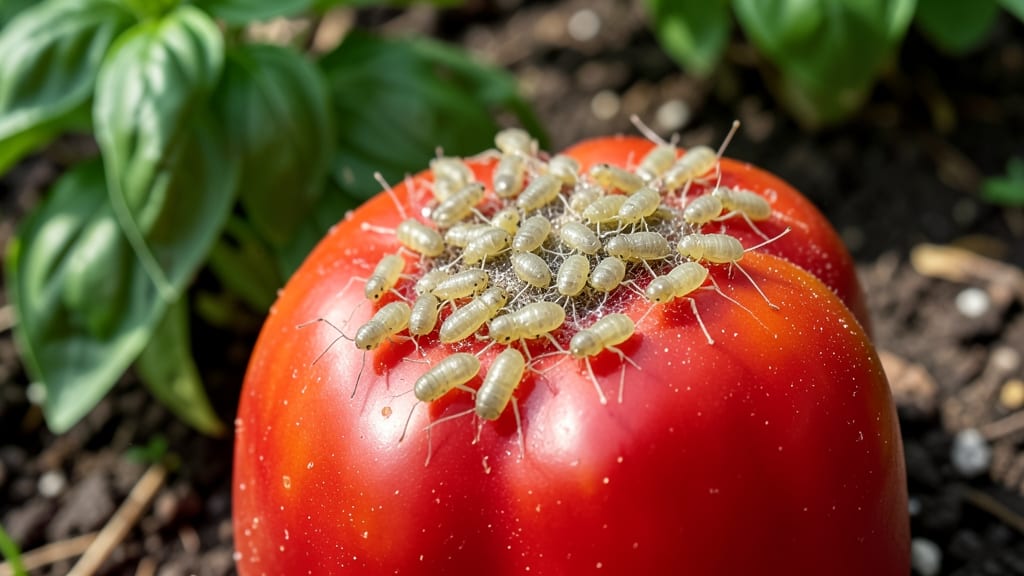
Bugs on peppers can turn your harvest into a sad, skeletonized mess faster than you can say "jalapeño." I’ve watched my own plants go from lush and green to a chewed-up disaster in days, but I’ve also learned how to fight back with a fast-acting organic spray that works within hours—not weeks.
The key is knowing which pests are attacking and how to stop them before they ruin your crop.
Most pepper pests—aphids, hornworms, and spider mites—love the tender leaves and fruit, but they’re also vulnerable to simple, natural solutions. Aphids cluster on new growth, hornworms strip plants bare overnight, and spider mites leave behind a fine webbing that stunts growth.
The good news? You don’t need harsh chemicals to beat them. A homemade spray with soapy water, neem oil, or garlic can knock them out in minutes, and it’s safe for your plants and the environment.
By the time you’re done, your peppers will be thriving again—no more holes, no more sticky residue, and no more wilting leaves. The spray works best in the early morning or evening when pests are most active, and you’ll see results within 24 hours if you apply it correctly.
Plus, it’s a preventative powerhouse for future harvests, so you won’t have to play pest detective every season.
Whether you’re dealing with a full-blown infestation or just a few stragglers, this method adapts to any stage of the game. No more losing your entire crop to tiny invaders—just fast, organic relief that keeps your peppers happy and productive. Let’s get those bugs off your plants for good.
Root Causes of Pepper Pests
Peppers are a garden magnet for unwanted critters, but understanding why these tiny invaders show up is half the battle. Below, we break down the science—and the real-world triggers—that turn your chili plants into an all-you-can-eat buffet for pests.
---
Peppers thrive in space and sunlight, but when they’re packed too closely or deprived of nutrients, their defenses weaken. Pests like aphids, spider mites, and whiteflies detect stressed plants through: - Volatile organic compounds (VOCs): Damaged or nutrient-starved peppers emit chemical signals that attract pests.
Think of it like a distress flare for bugs. - Reduced sap pressure: Healthy peppers have high sap pressure, making them harder to pierce.
Stress lowers this pressure, making them an easier snack. - Thinned foliage: Gaps in leaves create microclimates—warmer, drier spots where pests like thrips and spider mites hide during the day.
Actionable fix: Space plants 18–24 inches apart, mulch to retain moisture, and fertilize with balanced organic matter (like compost tea) every 4–6 weeks.
---
Pests don’t just appear—they hitchhike or overwinter in your garden. Common culprits include: - Debris and weeds: Old plant matter, fallen leaves, and weeds harbor egg-laying pests (e.g., hornworms, flea beetles).
A single overwintering egg can hatch into hundreds of larvae by summer. - Contaminated tools: Pruners, gloves, or even watering cans can transfer aphid colonies or whitefly eggs from infected to healthy plants. - Wildlife bridges: Birds, squirrels, or even wind can carry pest eggs from nearby wild plants (like nightshade or wild peppers) into your garden.
Actionable fix: - Clean up thoroughly after harvest: Remove all plant debris and compost it away from the garden (or solarize it). - Disinfect tools with 70% rubbing alcohol or a 1:10 bleach-water solution between uses. - Rotate crops annually to disrupt pest life cycles.
---
Pests are weather-dependent, and peppers—being tropical natives—are especially vulnerable when conditions shift: - Drought stress: Spider mites and thrips boom in dry, hot conditions because peppers can’t produce enough sap to repel them.
These pests also thrive in dusty leaves, which trap heat. - High humidity: Fungal gnats and slugs love moist environments, while whiteflies flourish in stagnant, humid air (like under plastic tunnels). - Sudden temperature swings: Cold nights followed by hot days weaken pepper plants, making them susceptible to aphid infestations and cucumber beetles.
Actionable fix: - Mulch heavily to retain moisture and regulate soil temperature. - Water deeply at the base (avoid overhead spraying) to reduce humidity on leaves. - Use shade cloth (30–50%) in extreme heat to prevent stress.
--- Peppers produce sugary honeydew (a byproduct of their high sugar content), which acts like a bug buffet.
Common triggers: - Ripe or overripe fruit: Soft, sweet peppers release fructose and glucose, attracting fruit flies, wasps, and aphids. - New growth: Tender young leaves and stems are high in nitrogen, making them a protein-rich meal for caterpillars and beetles. - Pollinator confusion: Bees and other pollinators sometimes damage flowers while feeding, creating entry points for bacterial or fungal pests.
Actionable fix: - Harvest peppers promptly—don’t let them overripe on the plant. - Prune suckers and yellowing leaves to remove pest magnets. - Use yellow sticky traps to intercept adult pests before they lay eggs.
--- Not all bugs are bad—some are essential predators. But when their natural enemies (like ladybugs or lacewings) are missing, pests take over.
Common imbalances: - Pesticide overuse: Harsh chemicals (even some "organic" sprays) can kill beneficial insects faster than pests, creating a vacuum effect where pests rebound uncontrollably. - Monoculture planting: Large blocks of the same pepper variety starve out natural predators, which prefer diverse gardens. - Late-season planting: If you plant peppers too late, predatory insects (e.g., parasitic wasps) may not have time to establish populations before pests arrive.
Actionable fix: - Avoid broad-spectrum sprays—opt for targeted organic solutions (like neem oil or insecticidal soap). - Plant companion flowers (e.g., marigolds, basil, or dill) to attract ladybugs and hoverflies. - Introduce beneficial nematodes (Steinernema feltiae) to combat soil-dwelling pests like cutworms.
Quick Fixes for Pepper Pests
Got bugs feasting on your peppers? Don’t panic—these targeted, organic solutions will help you reclaim your garden in no time. Below, we’ve mapped common culprits to their fixes, plus prevention tips to keep your plants thriving. Let’s tackle those pests head-on!
---
Signs: Sticky residue (honeydew), curled leaves, or clusters of tiny green/black bugs. Fix: - Spray with Soapy Water 🧼: Mix 1 tsp mild dish soap (like Castile) with 1 quart of water. Spray directly on aphids in the morning or evening to avoid harming bees. Reapply every 3–5 days until gone. - Introduce Beneficial Insects 🐞: Ladybugs and lacewings love aphids. Buy them online or attract them with companion plants like dill or marigolds. - Neem Oil Blast 🌿: Mix 1 tbsp neem oil + 1 tsp mild soap + 1 quart water. Spray undersides of leaves where aphids hide. Repeat weekly.
Prevention: - Prune regularly to improve airflow (aphids thrive in crowded, damp spots). - Plant garlic or chives nearby—their scent repels aphids naturally.
---
Signs: Wilting plants, small holes in stems, or white grubs near roots. Fix: - Diatomaceous Earth Barrier 🏗️: Sprinkle food-grade DE around the base of plants (avoid overwatering afterward—it needs to stay dry to work). Reapply after rain. - Row Covers Early 🛡️: Use lightweight fabric to block adult flies before they lay eggs. Remove when flowers appear to allow pollination. - Bacillus thuringiensis (Bt) Soil Drench 💧: A natural bacteria that kills maggots. Mix 1 tsp Bt powder with water and water the soil at the base of plants. Repeat every 2 weeks.
Prevention: - Rotate crops—don’t plant peppers in the same spot yearly. - Remove plant debris in fall to eliminate overwintering maggots.
---
Signs: Large green caterpillars with white stripes, chewed leaves, or black "horns" on their rear. Fix: - Handpick & Drop in Soapy Water 👨🍳: Check leaves daily, especially at dawn. Drop hornworms into a bucket of soapy water—no need for chemicals! - Bacillus thuringiensis (Bt) Spray 🌱: Spray Bt on leaves when hornworms are small (they’re less likely to eat after treatment). Reapply every 5–7 days. - Encourage Parasitic Wasps 🐝: These tiny wasps lay eggs in hornworms, killing them naturally. No action needed—just let nature do its thing!
Prevention: - Plant basil nearby—its scent confuses hornworm moths. - Avoid over-fertilizing with nitrogen—hornworms love lush, fast-growing plants.
---
Signs: Fine webbing on leaves, stippled or yellowing foliage, or tiny red/orange bugs on undersides. Fix: - Blast Off with Water 💦: Spider mites hate humidity. Spray leaves thoroughly with water daily for 3–5 days to knock them off. - Neem Oil or Horticultural Oil 🌿: Mix 1 tbsp neem oil + 1 tsp soap + 1 quart water. Spray undersides of leaves. Repeat every 5–7 days. - Release Predatory Mites 🕷️: Tiny Phytoseiulus persimilis mites eat spider mites. Buy them online and release them in the evening.
Prevention: - Keep plants well-watered—mites thrive in dry conditions. - Use reflective mulch (like aluminum foil) to disorient them.
---
Want to avoid bugs altogether?
Try these proactive strategies: - Crop Rotation 🔄: Switch pepper families (tomatoes, eggplants, potatoes) yearly to disrupt pest life cycles. - Interplant with Repellents 🌼: Marigolds, basil, and onions deter many pepper pests. - Healthy Soil = Strong Plants 🌱: Amend soil with compost and avoid over-fertilizing—stressed plants attract pests. - Early Morning Inspections 🕰️: Check plants at dawn for eggs or early-stage pests before they multiply.
--- Remember: Consistency is key! Most organic fixes take 7–14 days to show results. Stay vigilant, and your peppers will be pest-free in no time. 🚀
Frequently asked questions
What are the most common bugs that attack pepper plants?
The top culprits are aphids (tiny green/black clusters), hornworms (large green caterpillars with white stripes), spider mites (tiny red/orange bugs with webbing), and flea beetles (small black beetles that create shot holes). Each leaves distinct damage signs—aphids cause sticky residue, hornworms strip leaves overnight, and spider mites create fine webbing.
Can I still eat peppers if bugs have been on them?
Yes, but only after thorough washing! Remove all visible pests first, then scrub peppers under cool running water. For extra safety, soak them in a 1:10 vinegar-to-water solution for 5 minutes before rinsing. Avoid eating peppers with visible webbing (sign of spider mites) or severe chew marks unless you’re certain no pesticides were used.
How do I know if my pepper plant is stressed and attracting bugs?
Look for these red flags: yellowing leaves, stunted growth, or wilting despite regular watering. Stressed plants emit chemical signals that attract pests. Check soil moisture (should be 1 inch dry between waterings) and ensure plants get 6+ hours of sunlight daily. Overcrowding also stresses peppers—space them 18-24 inches apart.
Will neem oil harm my pepper plants if I use it too often?
Neem oil is safe when used correctly, but don’t overdo it! Apply no more than once every 5-7 days. Always mix with 1 tsp mild soap per quart to help it stick to leaves. Avoid spraying when flowers are open (can harm pollinators) and reapply after rain. For heavy infestations, alternate with insecticidal soap every other treatment.
What’s the fastest way to get rid of hornworms without chemicals?
Handpicking is your best bet! Check leaves daily (especially at dawn) and drop hornworms into soapy water. For a natural boost, spray Bacillus thuringiensis (Bt) on leaves when caterpillars are small—it kills them within 48 hours. Planting basil nearby also confuses hornworm moths, reducing future eggs.