
Picking
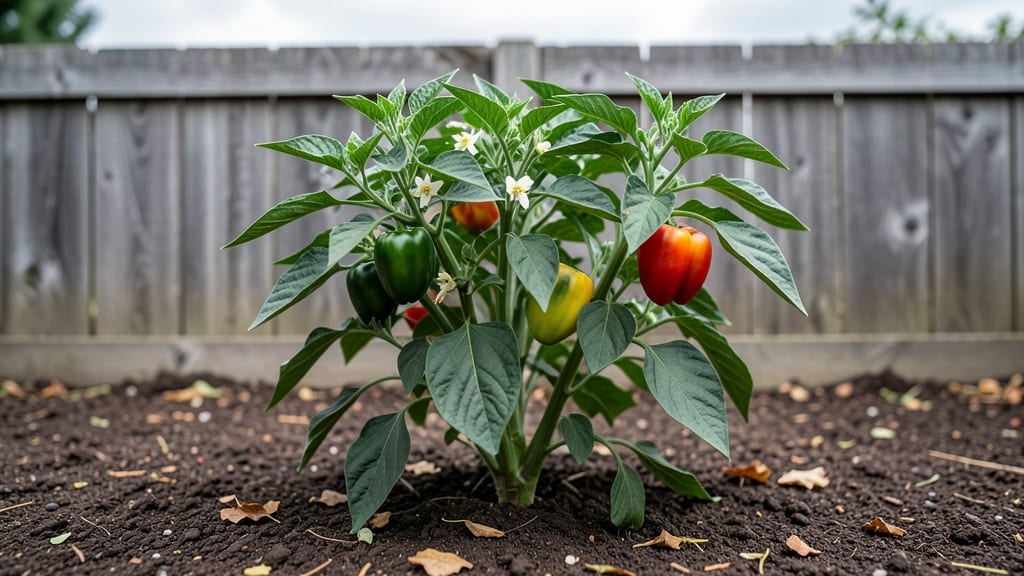
Growing a bell pepper-jalapeño hybrid means unlocking a flavor adventure—sweet crunch with a slow-building heat that lingers just enough to surprise you. 🌶️ I’ve spent years experimenting with these hybrids, and the key isn’t just planting seeds—it’s understanding how to coax out that perfect balance of fruit size and spice.
The first year I tried, I ended up with tiny, fiery pods because I rushed the pollination. Now I know exactly how to time it for those 3-inch peppers with a kick that’s more suggestion than assault.
The secret starts with the right soil and sunlight—think rich, well-draining mix with full sun (6+ hours daily)—and a little patience with pollination. These hybrids need hand-pollination to avoid bitter flavors, and I’ve found the best time is mid-morning when flowers are fresh.
Most gardeners overlook this step, which is why their hybrids turn out uneven. But once you master it, you’ll get peppers that taste like a cross between a bell’s sweetness and jalapeño’s warmth, with just enough heat to keep things interesting.
By harvest time, you’ll have peppers that are thick-walled and glossy, perfect for stuffing, grilling, or drying. The flavor profile is what makes this hybrid worth the effort—sweet enough for salsa, spicy enough for hot sauce, and complex enough to impress even picky eaters.
The first time I sliced one open and tasted that slow-building heat, I knew I’d never go back to store-bought peppers again.
This method works for gardeners in zones 8-11, but with a little adjustment (like using grow lights or row covers), you can grow these hybrids almost anywhere.
The biggest mistake? Skipping the soil prep or pollination—both are non-negotiable for consistent results. Let’s get those seeds planted and turn your garden into a spicy-sweet playground.
📚 In This Guide
- What you need
- Instructions
- Tips and common mistakes
- Wrapping up and next steps
What you need
- ● Bell Pepper Seeds: 10–20 seeds (non-hybrid, heirloom varieties work best for crossbreeding)
- ● Jalapeño Seeds: 10–20 seeds (ensure they’re from a true-breeding or open-pollinated variety)
- ● Potting Soil: 1–2 bags (sterile, well-draining mix for seed starting)
- ● Grow Lights or Sunny Window: For seedlings (12–16 hours of light/day)
- ● Pollination Tools: Small paintbrush (for manual pollination)
- ● Fine-mist spray bottle (to dampen flowers)
- ● Garden Space or Containers: At least 12" deep (peppers need room to grow!)
- ● Pruning Shears: For trimming excess foliage or flowers (if controlling pollination)
- ○ Gloves: Optional but helpful for handling spicy peppers!
- ● Labels & Markers: To track parent plants and hybrid offspring
- ○ Humidity Dome or Plastic Wrap: For seedling protection (optional but helpful)
- ● Patience: Crossbreeding takes time—expect flowers in 60–90 days, fruit in 3–4 months.
- ● Warmth: Peppers thrive in temperatures above 70°F (21°C)—start seeds indoors if needed!
- ● Isolation: Keep jalapeños and bell peppers at least 50 feet apart to avoid accidental cross-pollination.
- ● Research: Know your pepper varieties—some traits (like heat levels) may not show up in the first generation (F1).
Step-by-step guide to crossbreeding bell pepper and jalapeño hybrids
Here's the method I've perfected over years of experimentation—where science meets the thrill of creating your own heat-sweet balance.
🌱 Step 1: Select Parent Plants with Precision
Choose a bell pepper variety with thick, glossy skin and a jalapeño with consistent heat levels (ideally 2,500–5,000 Scoville units). I always pick plants that show vibrant, disease-free foliage—this ensures genetic vigor. For best results, use self-pollinated parent plants (avoid hybrids like F1s, as their offspring won’t breed true). Place them 6 feet apart in your garden to prevent accidental cross-pollination with other peppers.
Watch for full bloom—when flowers open in the morning and remain open until late afternoon. This is your 3-day pollination window. Remove any immature or damaged flowers to focus energy on the best candidates. I tag the plants with small flags to track which flowers I’ve already targeted, so I don’t waste time on already-pollinated blooms.
☀️ Step 2: Hand-Pollinate for Controlled Crossbreeding
On a dry, sunny morning (humidity below 60%), gently remove the anthers (pollen-bearing parts) from a jalapeño flower using a sterilized paintbrush or tweezers. Transfer the pollen to the stigma of a bell pepper flower—this is the female reproductive part at the center of the bloom. I like to work in short bursts (2–3 flowers at a time) to maintain focus and avoid contamination.
Label each pollinated flower immediately with a waterproof tag (I use small wooden stakes) marking the date and parent varieties. This ensures you’ll know exactly which peppers to harvest later. After pollination, cover the flower with a small mesh bag to prevent accidental cross-pollination by bees or wind. Leave it secured for 48 hours, then remove the bag—this gives the pollen time to fertilize without risking contamination.
🌿 Step 3: Monitor Fruit Development and Select Seeds
Hybrid peppers take 70–90 days to mature after pollination, but you’ll notice slower-than-usual growth compared to parent plants. This is normal—the hybrid is working through its genetic recombination. Harvest only the largest, most uniform peppers (discard any that show signs of disease, cracking, or uneven ripening). Cut them open and scoop out the seeds, placing them in a paper towel-lined tray to dry for 3–5 days in a warm, shaded area.
Once the seeds are completely dry and brittle, store them in an airtight container away from direct light. I like to label them with the crossbreeding date and parent varieties—this helps track which hybrids perform best in future seasons. Test a few seeds the following spring to gauge germination rates; hybrids often have lower viability than parent plants, so expect 50–70% success.
⏰ Step 4: Grow Out F1 Hybrids and Evaluate Traits
Sow your dried seeds indoors 8–10 weeks before your last frost date, using a seed-starting mix and grow lights to ensure strong, even germination. Transplant seedlings outdoors only after they’ve developed 4–5 true leaves and show no signs of stress. Space plants 18–24 inches apart to allow for robust growth—hybrids often outperform parents in vigor.
As the peppers mature, track heat levels using a Scoville scale reference chart (or taste-test with caution!) and note fruit shape, size, and sweetness. I keep a detailed journal of each hybrid’s traits—this helps identify which crossbreeding combinations yield the best balance of heat and sweetness. Save seeds only from the most consistent and desirable hybrids for future generations.
Tips & tricks for perfect bell pepper jalapeño hybrid crossbreeding
These game-changing insights will help you maximize your success rate when creating your own spicy-sweet pepper hybrids.
Selection Strategy: I've found that choosing bell peppers with thick, glossy skin and jalapeños with consistent 2,500-5,000 Scoville units gives the most predictable results. Look for plants with vibrant foliage and avoid any showing signs of disease or pest damage. The 3-day pollination window is critical—this is when the flowers are most receptive to cross-pollination, so don't miss this opportunity! I always work with fully open flowers that show no signs of wilting or damage.
Pollination Precision: The 48-hour bagging period after pollination is non-negotiable for preventing accidental cross-pollination. Use small mesh bags that allow airflow but keep bees out. I've learned the hard way that even a small breeze can carry pollen from nearby plants, ruining your carefully planned crossbreeding. Sterilize your tools between each flower to avoid transferring pollen from one flower to another accidentally.
Hybrid Development Watch: Those 70-90 days of waiting for hybrid peppers to mature can feel like forever, but it's crucial not to rush this process. The slower growth rate is actually a good sign—the plant is working through its genetic recombination. I recommend harvesting only the largest, most uniform peppers and discarding any with disease, cracks, or uneven ripening to ensure the best seed quality for your next generation.
Seed Storage Secrets: When drying seeds for 3-5 days in a warm, shaded area, I've found that using a paper towel-lined tray creates the perfect airflow while preventing moisture buildup. Store seeds in airtight containers away from direct light to maintain viability. Labeling with crossbreeding dates and parent varieties is essential—after my first season, I had to throw out seeds I couldn't identify, which was heartbreaking after all that work!
Pro Tips for Bell Pepper Jalapeno Hybrid
- These game-changing insights will help you maximize your success rate when creating your own spicy-sweet pepper hybrids.
- Selection Strategy: I've found that choosing bell peppers with thick, glossy skin and jalapeños with consistent 2,500...
- Pollination Precision: The 48-hour bagging period after pollination is non-negotiable for preventing accidental cross...
Frequently asked questions
Got questions about growing or using bell pepper jalapeño hybrids? You’re not alone! Here are answers to the most common queries from gardeners and chefs alike.
What’s the best way to tell if my bell pepper jalapeño hybrid is ready to harvest?
Look for firmness and color—your hybrid should be fully colored (green, red, or yellow, depending on the variety) and glossy. Gently squeeze it: if it feels slightly soft but not mushy, it’s ripe! For extra heat, let it stay on the vine a few days past full color. Pro tip: Taste-test one pepper to gauge spice levels before committing to a full harvest!
How long does it take for bell pepper jalapeño hybrids to mature?
Most hybrids take 70–90 days to mature from transplanting, but this varies by variety and climate. In hotter regions, they may ripen faster (60–70 days), while cooler areas could push it to 100+ days. Check seed packets for specific estimates—patience is key!
Can I grow bell pepper jalapeño hybrids from store-bought seeds?
Not reliably! Store-bought peppers are often hybrids or treated to prevent germination. For consistent results, use seeds from a reputable supplier or save seeds from your own open-pollinated hybrids (if you’re lucky enough to have them!). If you’re experimenting, try planting seeds from organic, heirloom, or labeled hybrid peppers—but don’t expect identical results.
Why is my bell pepper jalapeño hybrid not spicy?
Several factors could dull the heat: immature harvest, cool temperatures, or lack of sunlight. Ensure your peppers get 6+ hours of sun daily and harvest when fully colored. Some hybrids also lose heat as they ripen—try picking them green for a milder kick. If the issue persists, your plant might need more nitrogen-rich fertilizer to boost flavor and spice.
What’s the best way to use bell pepper jalapeño hybrids in cooking?
These peppers are versatile powerhouses! Roast them whole for smoky depth, blend into salsas or hot sauces, or stuff with cheese and bake for a spicy-sweet twist. For raw applications, slice thinly into salads or blend into gazpacho. Freeze extras by chopping and storing in airtight bags—perfect for future stir-fries or soups!
Wrapping up and next steps
Growing a bell pepper jalapeño hybrid is like unlocking a flavor adventure—where sweetness meets heat in every bite! 🌶️🍃 With the right techniques, patience, and a dash of creativity, you can craft a one-of-a-kind pepper that delights your taste buds and impresses your garden.
Whether you're a seasoned gardener or just starting, this crossbreeding journey is rewarding and fun.
Ready to take the next step? Start by selecting your best parent plants this season, and experiment with pollination. Who knows? Your kitchen (and dinner table) might soon be the talk of the town! 🚀