
Plants
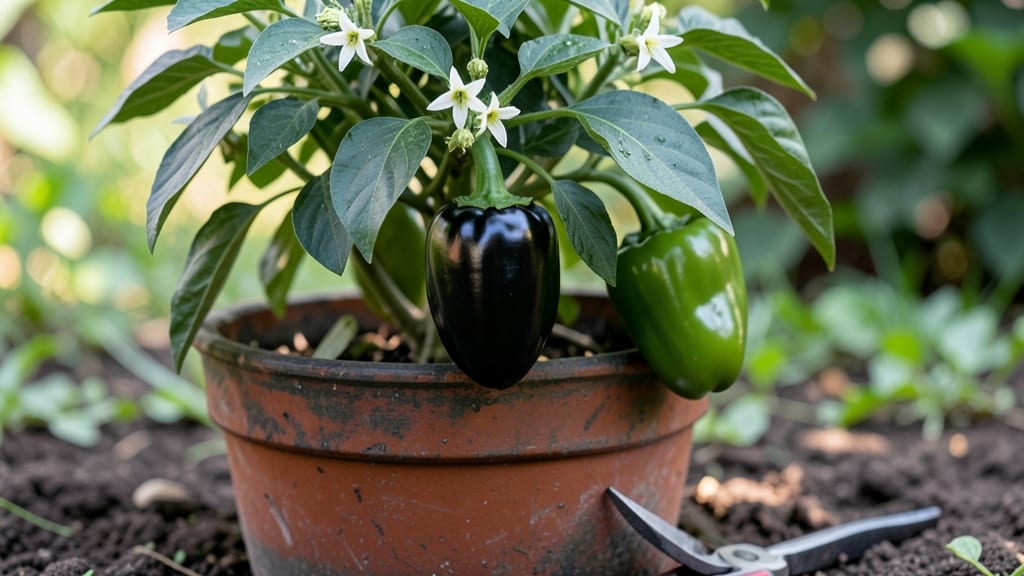
Decorative pepper plants are edible only if they're culinary varieties like ornamental peppers (e.g., Capsicum annuum or Capsicum frutescens), which are specifically grown for their flavor and spice levels. Many ornamental varieties, such as Capsicum pubescens or hybrid types, can contain harmful compounds or irritants, so always double-check the species before eating any pepper from your garden.
Not all peppers are created equal when it comes to eating them safely. 🌶️ While some decorative peppers, like those in the Capsicum annuum family, are perfectly safe and delicious, others—such as the Rocoto (Capsicum pubescens)—can cause stomach upset or allergic reactions.
The key difference lies in their breeding: culinary varieties are developed for human consumption, while ornamental types often prioritize appearance over edibility. If you're unsure about a pepper's safety, check with a local botanist or gardening expert before harvesting.
Even edible ornamental peppers require careful handling. Always wash them thoroughly and start with small amounts to test for any unexpected reactions. Some varieties, like the 'Apache' pepper, can be quite spicy, so moderation is key.
When in doubt, stick to peppers labeled explicitly as "edible" or "culinary" on seed packets or plant tags.
💡 In This Article
- Edible vs Non-Edible Pepper Plant Varieties
- How to Identify Safe Ornamental Peppers for Eating
Edible vs non-edible pepper plant varieties
The world of decorative pepper plants is a botanical minefield where appearance doesn't always equal edibility. Culinary varieties like Capsicum annuum (bell peppers, jalapeños) and Capsicum frutescens (habaneros) are bred specifically for their flavor profiles and heat levels, making them safe for consumption.
These plants typically produce fruits with vibrant colors—reds, yellows, oranges—that signal their edible nature. The key difference lies in their breeding: ornamental peppers are often hybrids designed for visual impact rather than taste, and some may contain alkaloids or irritants that cause digestive upset.
Non-edible varieties, such as Capsicum pubescens (Rocoto peppers), belong to different species entirely and may contain compounds like capsaicin analogs or glycoalkaloids in higher concentrations.
For example, the Rocoto pepper, while used in some traditional cuisines, can cause severe stomach irritation if consumed raw or in large quantities. 🌶️ Another red flag is the presence of fuzzy or hairy leaves—common in Capsicum pubescens—which often indicates a non-edible species.
Even some hybrid ornamental peppers may develop unexpected bitterness or chemical compounds when grown in different climates, making them unsafe.
What's actually happening chemically is that edible peppers have evolved to be palatable to humans, with capsaicin levels carefully balanced for flavor. Non-edible varieties, however, may produce compounds as a defense mechanism against predators, including mammals.
The alkaloid solanine found in some ornamental nightshades (like certain pepper relatives) is a classic example—it's toxic in high doses and can cause nausea or neurological symptoms. This is why even peppers that look similar to bell peppers might be dangerous if they're not from the same species.
Consider the Apache pepper, a popular ornamental variety with striking purple fruits. While it belongs to Capsicum annuum and is technically edible, its intense heat (often rated 100,000+ Scoville units) makes it unsafe for most people to consume raw or in large quantities.
This highlights how even edible varieties can pose risks if misused. The lesson here is that edibility isn't binary—it's a spectrum that depends on species, growing conditions, and preparation methods.
For gardeners, this means paying close attention to plant labels and avoiding "mystery peppers" from unknown sources. Many nurseries now clearly mark peppers as "culinary" or "ornamental," but older plants or seed packets might not provide this information.
When in doubt, consult a botanical database like the USDA Plant Database or reach out to local gardening clubs for verification. The stakes are high—some ornamental peppers contain compounds that can trigger allergic reactions or even poisoning in sensitive individuals.
Here's what you should watch for when evaluating a pepper plant's safety:
- Species identification: Capsicum annuum and C. frutescens are generally safe if properly grown, while C. pubescens and C. chinense varieties require caution.
- Leaf texture: Smooth, glossy leaves suggest culinary varieties, while fuzzy or hairy leaves often indicate non-edible species.
- Fruit characteristics: Edible peppers typically have thin skins and flesh that's firm but not woody.
- Growing conditions: Peppers grown in poor soil or with chemical treatments may develop higher concentrations of irritants.
The bottom line is that while many decorative peppers are safe to eat, the risks aren't worth taking unless you're absolutely certain about the variety. When you do consume ornamental peppers, start with tiny amounts and monitor for any adverse reactions—your taste buds (and stomach) will thank you. 🌿