
Size
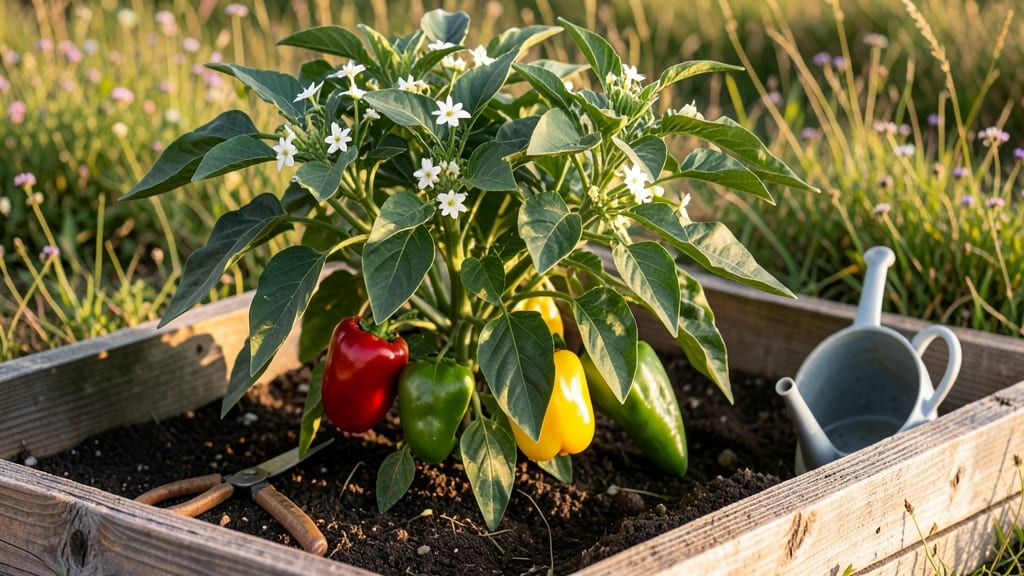
Peppermint plants grow 1 to 3 feet tall and spread aggressively up to 5 feet per year—far beyond what most gardeners expect from a simple herb patch.
If you're dreaming of growing peppermint at home but wondering whether it’ll take over your garden—or just stay neatly contained—you’re not alone. Understanding peppermint’s growth habits is key to planning space, controlling spread, and maximizing yield without turning your yard into a mint jungle.
In zone 6a, where many gardeners plant in spring, peppermint thrives as a perennial, returning year after year with even more vigor. Without intervention, it can outcompete nearby plants, which is why knowing its mature size and spread is the first step to keeping it in check.
Below, I’ll break down exactly how tall and wide peppermint grows, whether it’s better suited for containers, and the simplest ways to keep it from becoming a garden takeover. You’ll leave here with a clear plan for harvesting fresh leaves without the headache of runaway roots.
Peppermint plant size: height, spread & mature dimensions explained
Peppermint plants are known for their vigorous growth, often reaching 12 to 36 inches in height under ideal conditions. While their height might seem manageable, their aggressive horizontal spread is what truly demands attention from gardeners.
Without proper containment, a single peppermint plant can expand up to 5 feet per year, quickly overtaking neighboring plants and garden beds.
The key to managing peppermint lies in understanding its rhizomatous root system, which spreads underground and produces new shoots. This makes peppermint a perennial in most climates, returning year after year with renewed vigor.
In colder regions (USDA zones 3-5), it may die back in winter but regrows from the roots in spring.
Here’s a quick comparison to help visualize peppermint’s growth compared to other mint varieties:
| Characteristic | Peppermint | Spearmint | Chocolate Mint |
|---|---|---|---|
| Mature Height | 12–36 inches | 12–24 inches | 12–28 inches |
| Spread Per Year | 3–5 feet | 2–4 feet | 2–3 feet |
| Root System | Aggressive rhizomes | Moderate rhizomes | Moderate rhizomes |
| Growth Habit | Upright, bushy | Spreading, trailing | Bushy, compact |
| Best For | Containers, raised beds | Open garden beds | Containers, borders |
When planning your garden, consider that peppermint’s mature dimensions can easily exceed expectations if left unchecked.
In container gardening, a single plant can fill a 12-inch pot within a season, while in-ground plants may require root barriers or dedicated spaces to prevent them from spreading into lawns or flower beds.
For gardeners in USDA zones 6-10, peppermint thrives as a perennial, meaning it will return larger and more aggressive each year. In cooler zones (3-5), it may behave more like an annual, dying back in winter but often resprouting from dormant roots.
This makes early containment even more critical in milder climates.
One common misconception is that peppermint’s height is its biggest challenge, but in reality, it’s the horizontal spread that causes the most headaches. A single plant can produce dozens of new shoots from its roots, creating dense patches that crowd out other plants.
This is why many gardeners opt for container growing or dedicated raised beds when cultivating peppermint.
If you’re growing peppermint in raised beds, aim for spacing plants 18–24 inches apart to give them room to spread without overwhelming the bed. In open garden soil, maintain at least 3 feet of distance between peppermint plants and other herbs or vegetables to prevent competition and overcrowding.
Another factor to consider is how peppermint’s size affects its harvest potential. Larger, well-established plants produce more leaves, but overcrowding can reduce air circulation, increasing the risk of fungal diseases like powdery mildew.
Pruning regularly to encourage bushier growth—not just taller stems—can help maximize yield while keeping the plant manageable.
For those with limited space, consider dwarf varieties like ‘Native American’ peppermint, which stays more compact while still delivering strong flavor. Even these varieties benefit from regular pruning to control spread and encourage dense foliage.
Remember, peppermint’s size isn’t just about aesthetics—it’s about balancing growth with control. With the right strategies, you can enjoy a bountiful harvest without sacrificing your garden’s layout. The key is planning ahead and staying proactive with containment methods.
How to control peppermint growth & prevent overrunning your garden
Peppermint’s aggressive growth can quickly turn your neat garden into an unruly jungle if left unchecked. With spread rates of 3-5 feet per year and deep rhizomatous roots, this hardy herb needs proactive management.
The good news? With the right strategies, you can enjoy a bountiful harvest without sacrificing garden space or control.
Container gardening is one of the most effective ways to limit peppermint’s expansion. By growing it in deep pots (at least 12 inches), you create natural boundaries while still allowing the plant to thrive.
Just ensure the container has drainage holes to prevent root rot—a common issue with mint’s moisture-loving nature.
⚠️ callout-warning ⚠️
Height: 12–36 inches (1–3 feet) depending on variety and growing conditions. Spread: 3–5 feet per year with rhizomes extending underground. Mature size: Can cover 10+ square feet in ideal conditions if unchecked.
Warning: Peppermint’s roots can penetrate concrete and invade neighboring plants. Without containment, it will dominate garden beds within 1–2 years.
For in-ground planting, install root barriers made of hard plastic or metal (at least 2 feet deep) to block the underground spread. Bury the barrier 12–18 inches deep and extend it 1–2 feet beyond the intended planting area.
This creates a physical barrier that prevents rhizomes from spreading into other parts of your garden.
Regular pruning is another essential technique. Cut back woody stems in early spring to encourage bushier growth and prevent the plant from becoming leggy. Harvest leaves frequently to stimulate new growth—this not only keeps the plant compact but also boosts your yield.
Always use clean, sharp pruners to avoid spreading disease.
Companion planting can also help naturally suppress peppermint’s spread. Pair it with deep-rooted plants like lavender or rosemary, which compete for nutrients and space. Avoid planting near delicate herbs like basil or parsley, as peppermint’s aggressive roots can stunt their growth.
Finally, consider dividing and relocating peppermint every 2–3 years. Dig up the plant, separate the rhizome sections, and replant them in new containers or designated areas.
This refreshes the plant and gives you control over its location. Just be prepared for temporary stress as the plant adjusts to its new home.