Picking
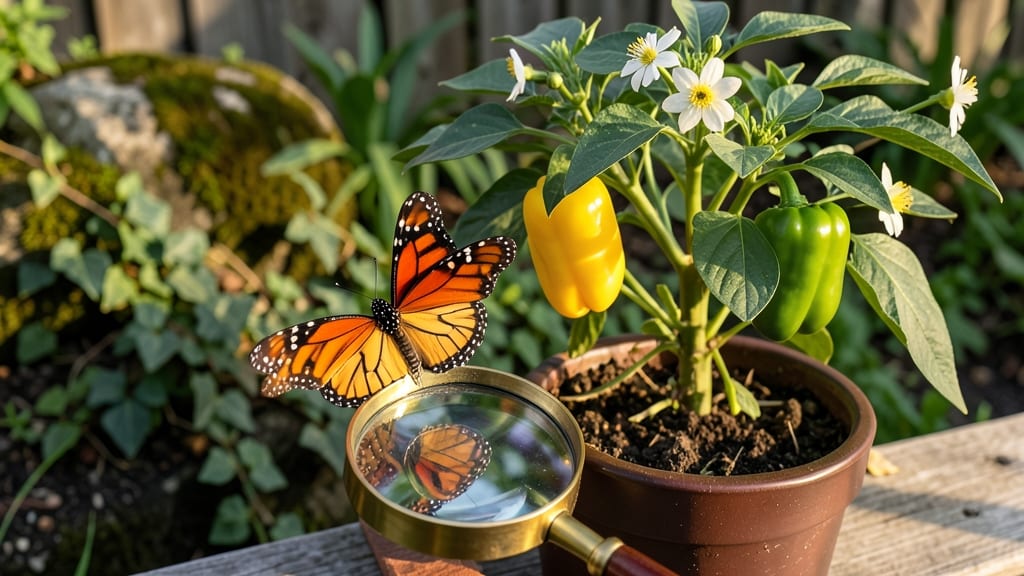
Understanding how are peppers pollinated is key to a bountiful harvest—and nature’s way is simpler than you’d think. 🌸 The tiny white flowers on your pepper plants rely on bees, wind, or even gentle vibrations to transfer pollen, but sometimes they need a little help, especially indoors or when pollinators are scarce.
My greenhouse jalapeños used to set fruit like clockwork until I realized the lack of buzzing meant fewer peppers—until I learned to shake them just right.
Most pepper varieties are self-pollinating, meaning their flowers carry pollen that can fertilize themselves. Bees are the superstars here, but wind and even the hum of a lawnmower can do the trick outside.
Inside, though, you’ll need to take charge—whether by shaking plants gently or using a soft paintbrush to transfer pollen between flowers. The goal? A perfect fruit set that turns those blooms into the peppers you’ve been dreaming of.
Successful pollination means flowers will drop their petals and swell into peppers within a week or two. If you’re not seeing fruit, check for wilting blooms (a sign of poor pollination) or pests stealing the show. A quick fix?
Give your plants a morning shake when flowers are open—just enough to mimic a bee’s buzz. The payoff? A bumper crop of peppers, from sweet bell peppers to fiery habaneros, all because you played matchmaker.
This method works for all peppers—whether you’re growing in pots, raised beds, or a sunroom. The key is timing: pollinate in the morning when flowers are fresh, and avoid overdoing it.
With a little attention, your plants will reward you with perfectly formed peppers, ready to harvest when they’re at their peak. Now, let’s get those flowers working for you!
📚 In This Guide
- What you need
- Instructions
- Tips and common mistakes
- Wrapping up and next steps
What you need
- ● Peppers (plants or seeds) – At least 3-5 healthy plants (varieties like bell peppers, jalapeños, or habaneros work best for observation). If starting from seeds, ensure they’re fresh (within 1 year) and organic for best germination.
- ● Hand lens or magnifying glass – A 10x magnification lens helps spot tiny pollinators or flower structures.
- ● Notebook and pen – For recording observations like flower colors, pollinator visits, or fruit development.
- ● Digital camera or smartphone – To capture close-ups of flowers, bees, or pollen transfer (a macro mode or 10MP+ camera is ideal).
- ● Bee or butterfly identification guide – A field guide or app (like iNaturalist) to ID common pollinators in your area.
- ● Small paintbrush or cotton swab – For manual pollination experiments (sterilize with rubbing alcohol first!).
- ● Pollinator-friendly plants – Fast-growing flowers like marigolds, sunflowers, or basil to attract bees and butterflies.
- ● Humidity dome or plastic wrap – To create a controlled environment for studying pollen viability (e.g., sealing flowers overnight).
- ○ Pollen slides and microscope – For advanced analysis of pollen grain shapes/sizes (optional for deep dives!).
Understanding pepper pollination: the key to flavorful harvests
Peppers thrive when you understand their pollination process—here’s how to nurture them for the best yields.
🌱 Step 1: Recognize Pepper Flower Types and Their Needs
Peppers have two main flower types: self-pollinating (like bell peppers) and self-sterile (like many hot peppers). Self-pollinating flowers close tightly around their pollen, while self-sterile varieties need outside help to set fruit. You’ll know which you have by observing: self-pollinators produce fruit even when isolated, while self-sterile types need cross-pollination.
Here’s the thing—even self-pollinators benefit from gentle assistance. On a dry morning, tap the flower stems lightly with your finger to release pollen. Watch for tiny white or yellow pollen dusting the flower’s center—that’s your cue the process is working. If flowers drop without setting fruit, they may need better pollination conditions.
☀️ Step 2: Optimize Conditions for Natural Pollinators
Bees and other pollinators love pepper flowers, but they need the right setup. Plant peppers in full sun (6+ hours daily) with windbreaks to keep bees hovering longer. Avoid pesticides that harm pollinators—opt for neem oil or insecticidal soap sprays only when absolutely necessary.
I’ve found that morning watering (before 10 AM) keeps flowers dry, which is critical. Wet flowers repel bees and trap pollen inside, reducing pollination success. If rain is forecast, cover plants with a lightweight row cover to protect blooms until the forecast clears.
💧 Step 3: Assist Pollination in Greenhouses or Bad Weather
Greenhouses or rainy seasons can stall pollination. Use a small paintbrush to transfer pollen between flowers—gently brush the center of one flower, then another. Do this early in the morning when flowers are fully open. You’ll see pollen clinging to the brush bristles; that’s your confirmation you’re doing it right.
For self-sterile varieties, plant multiple pepper types nearby to encourage cross-pollination. If you’re growing just one variety, hand-pollinate by tapping stems or using a brush. Watch for swollen ovaries at the flower’s base—this signals successful pollination and future fruit development.
⏰ Step 4: Monitor for Pollination Success and Adjust
After 5-7 days, check flowers for tiny fruit bumps forming at the base. If flowers drop without fruiting, try vibrating the plant gently (like shaking a tree branch) to release trapped pollen. Leggy or sparse fruiting often means pollination failed—adjust light, water, or pollinator support immediately.
Real talk: Some peppers (like habaneros) are self-sterile and need cross-pollination. If you’re growing just one plant, you’ll get flowers but no fruit unless you hand-pollinate. Keep a pollination log to track which methods work best for your variety—this saves time next season.
✂️ Step 5: Support Fruit Set for Heavy-Yielding Plants
Once pollination succeeds, peppers need consistent watering (1 inch per week) to prevent blossom end rot—a calcium deficiency that ruins fruit. Mix 1 tablespoon of crushed eggshells into the soil monthly for extra calcium. You’ll know you’re on track when fruit swells steadily and turns firm and glossy.
Here’s where it gets fun—prune side shoots (the small stems forming in leaf axils) to redirect energy to fruit development. Leave 3-4 main stems per plant for optimal airflow and sunlight penetration. Strong, well-pollinated peppers will reward you with bold flavors and vibrant colors—proof you’ve mastered the process.
Tips & tricks for perfect pepper pollination
These simple strategies will help you maximize your pepper plants' potential and avoid common pitfalls that lead to poor fruit set.
Flower Observation: Pay close attention to your pepper flowers—especially in the morning when they're fully open. Self-sterile varieties like habaneros need cross-pollination, so if you're growing just one plant, you'll need to hand-pollinate using a small paintbrush. Even self-pollinating varieties like bell peppers benefit from gentle assistance. I learned this the hard way after watching beautiful flowers drop without setting fruit—turns out they needed a little help releasing that pollen!
Pollinator-Friendly Setup: Create an inviting environment for bees by planting peppers in full sun with windbreaks. Avoid pesticides that harm pollinators—opt for neem oil or insecticidal soap only when absolutely necessary. I've noticed a dramatic difference in fruit set when I've skipped chemical sprays during flowering. Morning watering (before 10 AM) keeps flowers dry, which is crucial since wet flowers repel bees and trap pollen inside.
Hand-Pollination Technique: For greenhouse situations or rainy weather, use a small paintbrush to transfer pollen between flowers. Gently brush the center of one flower, then another in the morning when flowers are fully open. You'll see pollen clinging to the brush bristles—this visual confirmation means you're doing it right. This method works especially well for self-sterile varieties like jalapeños or serranos that need cross-pollination to set fruit.
Monitoring Success: After 5-7 days, check for tiny fruit bumps forming at the flower base. If flowers drop without fruiting, try gently vibrating the plant to release trapped pollen. I keep a simple pollination log to track which methods work best for my varieties—this saves time and helps me adjust support when needed. Watch for swollen ovaries at the flower base as a clear sign of successful pollination.
Pro Tips for How Are Peppers Pollinated
- These simple strategies will help you maximize your pepper plants' potential and avoid common pitfalls that lead to p...
- Flower Observation: Pay close attention to your pepper flowers—especially in the morning when they're fully open. Sel...
- Pollinator-Friendly Setup: Create an inviting environment for bees by planting peppers in full sun with windbreaks. A...
Frequently asked questions
Got questions about pepper pollination? You’re not alone! Here are some of the most common queries gardeners and pepper enthusiasts ask—plus clear, actionable answers to help you grow the best peppers ever.
Do I need to pollinate peppers myself if I want them to produce fruit?
Most pepper varieties are self-pollinating, meaning they don’t need outside help—but gentle shaking or brushing flowers with a paintbrush can boost fruit set, especially in greenhouses or during rainy weather. Pro tip: Do this in the morning when flowers are open and pollen is fresh!
When is the best time to pollinate peppers for maximum yield?
Pollinate peppers early in the morning (6–9 AM) when humidity is low and flowers are fully open. Avoid midday heat or evening dampness, which can wash away pollen. Bonus: Repeat every 2–3 days for continuous blooms!
What should I do if my pepper plants aren’t setting fruit?
Common culprits: heat stress (above 90°F), lack of pollinators, or over-fertilizing with nitrogen. Try:
- Shading plants during heatwaves
- Hand-pollinating with a soft brush
- Balancing fertilizer with phosphorus/potassium
Quick fix: Prune leggy growth to redirect energy to flowering!
Can bees or other pollinators help with pepper pollination?
Yes! Bees, butterflies, and even hummingbirds can transfer pollen between flowers. Attract them by planting companion flowers (like marigolds or basil) nearby and avoiding pesticides. Note: Some hot peppers (e.g., habaneros) may deter pollinators—hand-pollination helps!
Will pollinating peppers affect their spiciness or sweetness?
Not directly! Pollination ensures fruit development, but a pepper’s heat or sweetness depends on its genetics and growing conditions (like sunlight and soil pH). Fun fact: Over-pollinating can lead to smaller peppers—focus on quality over quantity!
Wrapping up and next steps
Understanding how peppers are pollinated isn’t just fascinating—it’s the secret ingredient to growing sweeter, spicier, and more abundant harvests! Whether nature handles it with wind, bees, or even your own hand, every method plays a role in those vibrant peppers we love.
Now that you’re armed with the know-how, why not put it into action? Try hand-pollinating a few flowers or observe your garden’s natural pollinators—you’ll be amazed at the results! 🌱✨
Ready to level up your pepper game? Grab a magnifying glass, step outside, and let the magic of pollination unfold—one pepper at a time!