
Vegetables
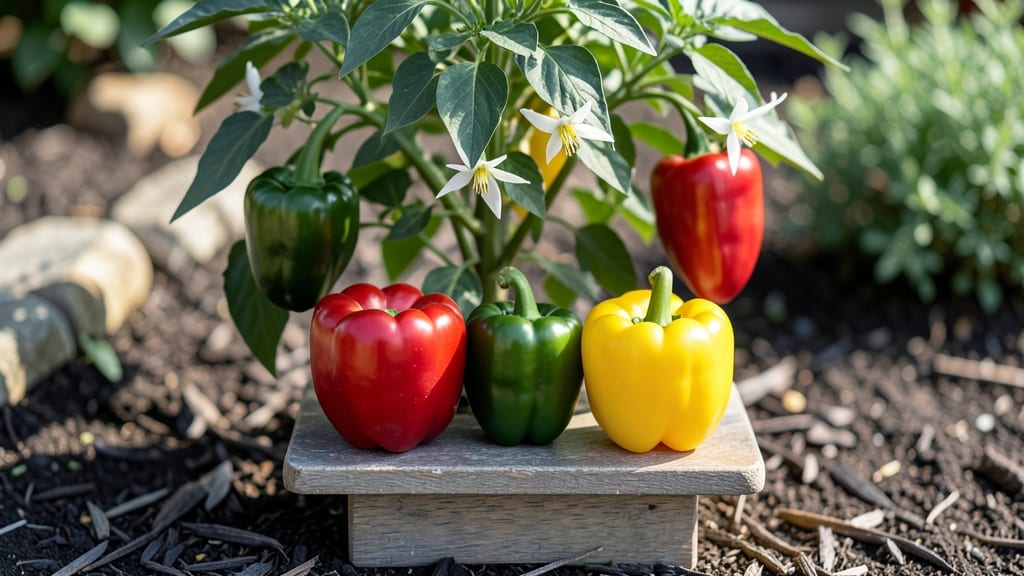
The bell pepper sweetness scale ranges from ultra-mild varieties like Sweet Banana (0 SHU) to fiery cousins like Habanero, with heat intensity measured by Scoville Heat Units (SHU). While bell peppers themselves register at 0 SHU, their spicier relatives like jalapeños (2,500–8,000 SHU) and ghost peppers (over 1 million SHU) demonstrate how breeding shifts sweetness to heat.
The bell pepper sweetness scale isn't just about flavor—it's about chemistry. 🌶️ Bell peppers pack natural sugars like glucose that create their signature sweetness, while hotter varieties contain capsaicin, the compound that triggers heat.
Breeding programs have fine-tuned this balance, giving us everything from the Sweet Banana pepper (a crowd-pleaser for raw eating) to the Shishito (mild but with occasional surprises). What's fascinating is how even slight genetic tweaks can transform a pepper from garden-friendly to kitchen-challenging.
For home gardeners, choosing seeds labeled "sweet" or "mild" is your first line of defense against accidental heat. 🌱 I always recommend starting with Golden Calwonder or Orange Blaze varieties—they're consistently sweet and produce well in most climates.
The key to maintaining that sweetness? Proper watering and avoiding over-fertilization with nitrogen-heavy mixes, which can dull flavor intensity.
💡 In This Article
- Scoville Scale Explained: How Bell Pepper Sweetness Transitions to Heat
- Top 10 Sweetest Bell Pepper Varieties for Home Gardens
Scoville scale explained: how bell pepper sweetness transitions to heat
The Scoville scale measures capsaicin concentration—the compound that makes peppers hot—but bell peppers sit at 0 SHU because they lack capsaicin entirely.
Instead, their sweetness comes from natural sugars like glucose and fructose, which can reach 6-10% of their weight in ripe varieties. 🌱 This sugar content is what gives bell peppers their crisp texture and mild, almost honey-like flavor when raw.
The transition from sweetness to heat happens when breeders introduce capsaicin genes, creating varieties like jalapeños (2,500–8,000 SHU) or cayenne (30,000–50,000 SHU).
Here's the science: capsaicin binds to pain receptors in your mouth, triggering a burning sensation, while sweet compounds like glucose stimulate sweetness receptors. The key difference lies in the pepper's genetic makeup—bell peppers have been selectively bred to eliminate capsaicin while maximizing sugar content.
For example, the Sweet Banana pepper contains 12-15% sugar by weight, making it one of the sweetest varieties. In contrast, ghost peppers (over 1 million SHU) contain 16 times more capsaicin than jalapeños, with no sweetness at all.
Breeding plays a huge role in this transition. Modern hybrid varieties often combine genes from sweet bell peppers with those from hotter relatives to create milder peppers like Shishito (typically 0 SHU but with occasional spicy surprises).
The heat in these hybrids comes from trace amounts of capsaicin—sometimes just 0.0001% of the pepper's weight—but enough to alter the flavor profile. 🌶️ This is why some "mild" peppers can still pack a punch if grown in hotter climates or harvested too early.
Color also affects sweetness. Red bell peppers are often sweeter than green or yellow because they've had more time to convert starches into sugars during ripening. A fully ripe red bell pepper can have up to 25% more sugar than its green counterpart.
This is why red bell peppers are frequently used in sweet salsas or raw dishes where their natural sweetness shines. The opposite happens with heat—green jalapeños are milder (2,500–5,000 SHU) than red ones (8,000–10,000 SHU) because capsaicin concentration increases as they ripen.
Understanding this scale helps you choose peppers for specific dishes. For example, if you're making a fresh salsa where sweetness is key, reach for Orange Blaze or Golden Calwonder varieties.
But if you want a little kick without overwhelming heat, Serrano peppers (10,000–23,000 SHU) offer a balanced transition from sweet to spicy. The key is knowing what you're working with—because that tiny difference in genetics can turn a mild snack into a fiery experience.
What most people don't realize is that even within the same variety, sweetness can vary based on growing conditions. Peppers grown in cooler climates tend to be sweeter because they ripen more slowly, allowing sugars to develop fully.
Meanwhile, those grown in hotter regions may develop more capsaicin as a defense mechanism against pests. This is why a Sweet Banana** pepper from a home garden might taste different from one bought at a grocery store—location matters just as much as genetics.