
Picking
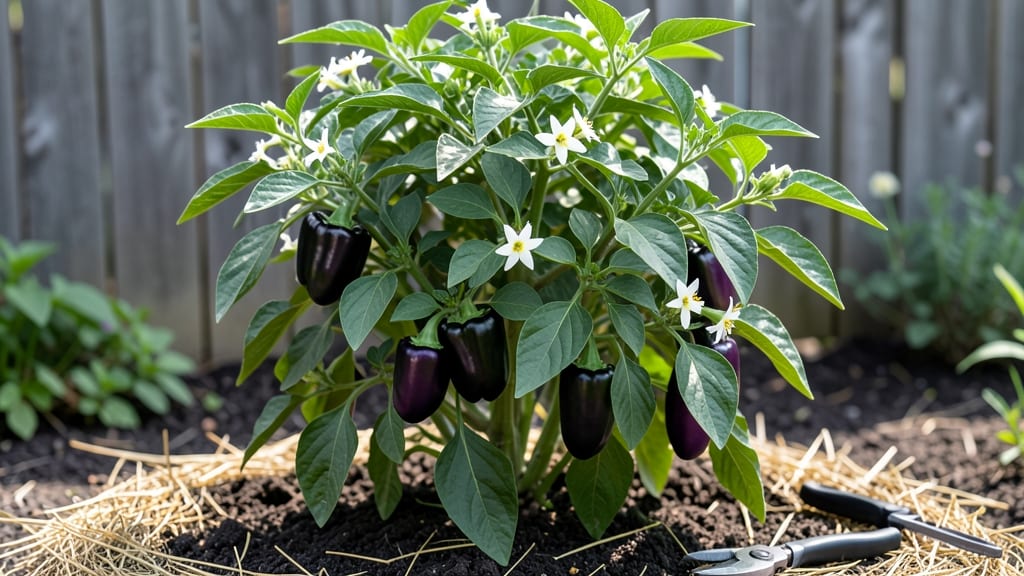
Growing black bell peppers reveals why they’re the boldest choice for heat-loving gardeners. 🌶️ Unlike their green cousins, these dark beauties demand longer, hotter seasons—and I’ve learned exactly how to coax them into producing rich, glossy peppers even in shorter summers.
The secret? Starting early, protecting from late frosts, and feeding them just enough heat to thrive without burning out.
Your black peppers need full sun (6+ hours daily), well-draining soil with organic matter, and consistent warmth—think 70-85°F for happy growth. I’ve grown them in containers and in-ground beds, and the key difference?
Containers warm up faster in spring but dry out quicker, so drip irrigation becomes your best friend. Transplants give a 3-week head start over seeds, but if you sow directly, wait until soil temps hit 60°F—no rushing!
By midsummer, you’ll see deep purple-black peppers forming, and the flavor? Sweeter and deeper than green peppers. Harvest when firm and glossy (usually 75-90 days after transplanting), and save seeds for next year—they’re true to type.
The real payoff? These peppers stay productive for weeks longer than other varieties, giving you a late-season harvest that’s a game-changer for sauces and roasting.
For cooler climates, extend the season with row covers or grow them in black pots (they absorb heat). And here’s the pro tip: prune suckers early to focus energy on fruit, not foliage.
Mistakes? Overwatering (leads to blossom end rot) and under-fertilizing (peppers need balanced 10-10-10 every 4-6 weeks). Master these, and you’ll have peppers so dark they look like edible jewels by August.
📚 In This Guide
- What you need
- Instructions
- Tips and common mistakes
- Wrapping up and next steps
What you need
- ● Black Bell Pepper Seeds: Choose heirloom or hybrid varieties suited to your heat zone (e.g., 'Black Beauty,' 'Black Pearl'). Aim for 10-20 seeds if starting from scratch.
- ● Potting Soil: A high-quality, well-draining seed-starting mix (10-15 lbs) for seedlings. Later, switch to a peat-based or coconut coir mix (50 lbs) for transplanting.
- ● Containers or Garden Bed: Seedlings: 4-6" pots (10-12 units) or biodegradable peat pots.
- ● Transplanting: 12-18" deep containers (5-gallon pots or raised beds) with 18-24" spacing between plants.
- ● Fertilizer: Balanced starter fertilizer (e.g., 10-10-10, 1 lb) for seedlings.
- ● Low-nitrogen, high-phosphorus fertilizer (e.g., 5-10-10, 2 lbs) for flowering/fruiting stages.
- ● Mulch: Organic mulch (e.g., straw or shredded leaves, 2-3 cubic feet) to retain moisture and regulate soil temperature.
- ● Hand Trowel or Transplant Spade for digging and planting.
- ● Watering Can or Hose with Adjustable Nozzle (gentle mist setting for seedlings).
- ● Pruning Shears for trimming excess foliage or dead leaves.
- ○ Grow Lights or Sun Lamp (optional but helpful for indoor seedlings in low-light areas).
- ● pH Test Kit to ensure soil pH is 6.0-6.8 (ideal for peppers).
- ○ Support Stakes or Trellis (optional, for indeterminate varieties that may need climbing support).
- ● Heat Zone Compatibility: Black bell peppers thrive in USDA Zones 9-11 or as annuals in Zones 3-8 (with proper care). Ensure your area gets at least 6-8 hours of sunlight daily.
- ● Warm Soil: Wait until soil temperatures reach 60°F (15°C) or higher before transplanting outdoors.
- ● Patience: Germination takes 7-21 days—keep soil consistently moist!
Step-by-Step instructions for growing black bell peppers
Here's how to cultivate thriving black bell peppers using heat zone strategies that maximize flavor and yield.
🌱 Step 1: Select the Right Heat Zone and Start Seeds Indoors
Black bell peppers thrive in USDA Heat Zones 8-11, where daytime temperatures stay above 75°F and nights rarely dip below 60°F. Start seeds indoors 8-10 weeks before your last frost date using a seed-starting mix—never garden soil, as it compacts too much and invites disease. Fill 2-3 inch deep biodegradable pots with moistened mix, then plant 1-2 seeds per cell at a depth of ¼ inch. Cover lightly with additional mix and mist until evenly damp.
Place trays on a seedling heat mat to maintain 75-85°F soil temperatures—this jumpstarts germination, which typically occurs in 7-10 days. Keep the mix consistently moist but never soggy; condensation on the dome signals excess moisture. Once seedlings emerge, remove the dome immediately to prevent damping-off, a fungal disease that collapses stems overnight.
☀️ Step 2: Harden Off and Transplant to Warm Soil
Two weeks before transplanting, begin hardening off seedlings by placing them outside in partial shade for 1-2 hours the first day. Gradually increase exposure by 1 hour daily, moving to full sun by day 7. This acclimates plants to outdoor conditions without shocking their systems. Transplant only when soil temperatures reach at least 65°F—cold soil stunts root growth and delays fruiting.
Choose a full-sun location with 6+ hours of direct light and well-draining soil. Amend heavy clay with 2-3 inches of compost to improve aeration. Dig holes twice as wide as the root ball but no deeper—planting too deep buries stems and invites rot. Space plants 18-24 inches apart to allow airflow and prevent fungal diseases like powdery mildew.
💧 Step 3: Water Deeply and Maintain Consistent Moisture
Water deeply at the base every 2-3 days until the top 2 inches of soil feel dry—this encourages deep root growth. Avoid wetting leaves, as moisture lingering on foliage promotes bacterial spots. Use drip irrigation or soaker hoses to deliver water slowly at the soil line. Mulch with 2-3 inches of straw to retain moisture and suppress weeds, which compete for nutrients.
Black bell peppers are sensitive to inconsistent watering—fluctuations cause blossom-end rot or cracked fruit. Monitor soil moisture daily during peak heat (90°F+). If leaves begin to wilt slightly in the afternoon, it’s time to water. Overhead watering in the evening is a common mistake—it keeps foliage damp overnight, inviting fungal infections.
✂️ Step 4: Prune and Support for Optimal Fruit Production
When plants reach 18 inches tall, prune the lowest leaves to improve airflow and reduce disease risk. Remove any suckers (side shoots) that form in the leaf axils—these divert energy from fruit production. Leave 3-4 main stems to encourage bushier growth. Stake plants with 5-6 foot bamboo stakes or use cage supports to prevent stems from snapping under pepper weight.
Fertilize lightly every 4-6 weeks with a balanced 10-10-10 formula once flowers appear. Too much nitrogen promotes leafy growth at the expense of fruit. Watch for yellowing leaves—this often signals overwatering or nutrient deficiencies. If you notice blossoms dropping, the issue is likely temperature stress (below 55°F) or inconsistent watering. Hand-pollinate stubborn flowers by gently shaking stems on a dry morning.
🌿 Step 5: Harvest and Extend the Season
Harvest black bell peppers when they reach full size (6-8 inches long) and turn deep purple-black. Use pruning shears to cut stems cleanly, leaving ½ inch of stem attached. This encourages more fruit to develop. Pick consistently—peppers left on the plant too long lose flavor and become tough. Store harvested peppers in the fridge for up to 2 weeks or freeze for longer storage.
To extend the season in cooler climates, cover plants with frost blankets when nighttime temperatures drop below 50°F. In Heat Zones 8-11, black bell peppers often produce a second flush of fruit in fall. Remove old fruit to redirect energy into new growth. If plants show signs of pests (aphids, hornworms), treat with neem oil or introduce ladybugs for natural control.
Tips & tricks for thriving black bell pepper plants
Real talk: Growing black bell peppers successfully comes down to understanding their heat zone needs. Here's what I've learned after years of trial and error to keep your plants happy and productive.
Heat Zone Precision: If you're in USDA Heat Zones 8-11, you're in the perfect range—but don't assume your microclimate matches the zone average. Check your specific daytime highs and nighttime lows. I once planted in Zone 9 where daytime temps hit 85°F but nights dropped to 58°F, and my peppers struggled. Use a weather station to track your actual conditions for at least a week before planting. This precision makes all the difference when it comes to fruit set and flavor development.
Germination Environment: That 75-85°F soil temperature range for seed starting is non-negotiable. I learned this the hard way after my first batch germinated at a cool 70°F—it took 18 days instead of the usual 7-10 days. Invest in a good seedling heat mat and consider adding a small space heater near your seed trays if your home runs cool. The faster germination happens, the sooner you can transplant to warmer soil. Just be careful not to exceed 90°F, which can actually inhibit germination.
Harden Off Strategically: The gradual hardening process in Step 2 is crucial, but here's what nobody tells you—watch the weather forecast during those 7 days. If a cold front is coming, extend your hardening period by 2-3 days. I had to do this once when a sudden 10°F drop was predicted, and my plants handled the transplant beautifully. Also, harden off in the morning when temperatures are cooler—this mimics outdoor conditions more accurately than afternoon heat.
Watering System: While drip irrigation is ideal, I've found that soaker hoses work just as well if positioned correctly. The key is to deliver water at the soil line, not the leaves. For container growers, use self-watering pots with a reservoir—this maintains consistent moisture without the risk of overwatering. And here's a pro move: bury your irrigation lines 2-3 inches deep in the soil to prevent evaporation and keep water where the roots need it most.
Pro Tips for Black Bell Peppers
- Real talk: Growing black bell peppers successfully comes down to understanding their heat zone needs. Here's what I'v...
- Heat Zone Precision: If you're in USDA Heat Zones 8-11, you're in the perfect range—but don't assume your microclimat...
- Germination Environment: That 75-85°F soil temperature range for seed starting is non-negotiable. I learned this the ...
Frequently asked questions
Got questions about growing or using black bell peppers? You’re not alone! Here are answers to some of the most common queries to help you master these heat-loving plants.
How long does it take for black bell peppers to mature?
Black bell peppers typically take 70–90 days to mature from transplanting, depending on your climate and variety. In hotter zones (8–10), they may ripen faster, while cooler areas (6–7) could extend the timeline. Pro tip: Start seeds indoors 8–10 weeks before the last frost for a head start!
Can black bell peppers grow in cooler climates?
Yes, but with adjustments! Black bell peppers thrive in heat zones 8–10, but you can grow them in cooler zones (6–7) by:
- Using black plastic mulch to warm the soil.
- Planting in containers near a sunny wall.
- Choosing earlier-maturing varieties (e.g., 'Black Beauty').
Why are my black bell peppers turning yellow or white before ripening?
Yellowing or white peppers before ripening usually signals stress. Common culprits include:
- Inconsistent watering (drought or overwatering).
- Nutrient deficiencies (lack of calcium or magnesium).
- Temperature swings (below 55°F or above 95°F).
- Pests or disease (check for aphids or fungal spots).
Are black bell peppers hotter than regular bell peppers?
Not at all! Black bell peppers are a mature version of red bell peppers—they’re not spicy. The color change (from green to black via red) is due to ripening, not heat. They’re sweeter and richer in flavor than green peppers but pack the same mild kick. Perfect for roasting, stuffing, or fresh snacks! →
Where can I buy black bell pepper seeds or transplants?
Find seeds or transplants from:
- Local nurseries (ask about heat-tolerant varieties).
- Online seed banks (e.g., Baker Creek Heirloom Seeds, Burpee).
- Farmers’ markets (check for pepper growers in your area).
- Garden centers (call ahead to confirm stock).
Wrapping up and next steps
Black bell peppers are a rewarding addition to any garden, blending bold flavor, nutritional benefits, and stunning visual appeal. By mastering the right heat zone, soil prep, and care techniques, you’ll unlock a bountiful harvest—whether you’re a novice or seasoned gardener.
Now that you’re armed with expert tips, why not plant your seeds today? Start small, experiment with varieties, and enjoy the satisfaction of growing your own crisp, vibrant peppers—your kitchen (and taste buds!) will thank you. 🌱✨