
Watering
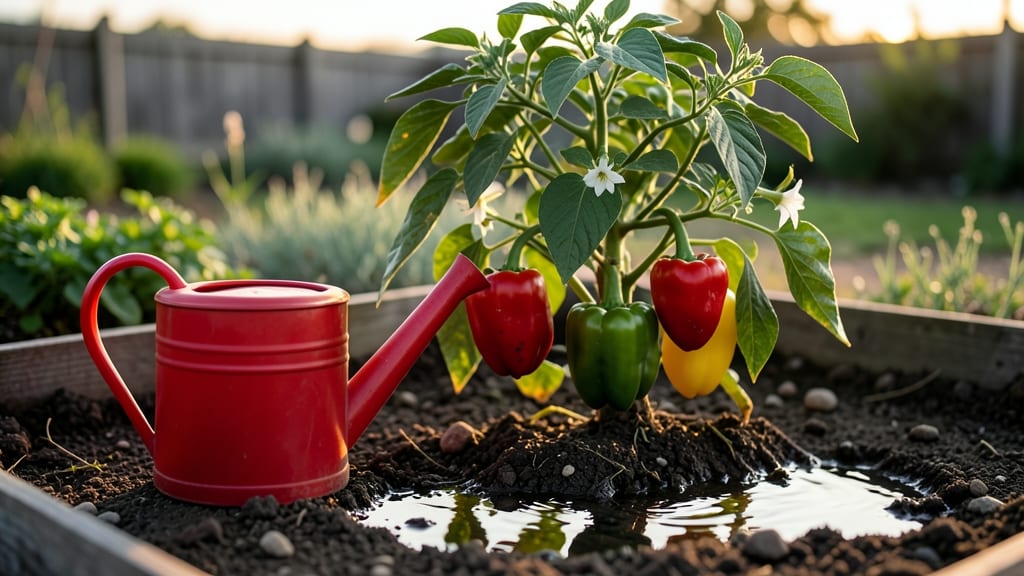
Overwatering pepper plants can turn your vibrant garden into a sad, soggy mess—yellow leaves, wilting stems, and that dreaded smell of rot. 🌱 I’ve seen it happen too many times, but the good news? You can bring them back with just three focused steps.
The key is acting fast before root rot takes over completely. Start by checking the soil: if it’s damp more than an inch below the surface, you’ve got a waterlogged problem.
Gently loosen the top layer of soil to help air circulate, then let the roots breathe by holding off on watering for at least 3-5 days. This might feel brutal, but it’s the only way to shock the system back to balance.
Once the soil dries out, repot your peppers into fresh, well-draining soil if the roots look mushy or black. A 5-gallon container with drainage holes is ideal for recovery, and keep it in bright, indirect light while you monitor moisture.
Within 7-10 days, you should see new growth pushing through—proof your plants are fighting back. Prevention is easier than cleanup: stick your finger in the soil before watering, and always use pots with drainage. Peppers hate soggy feet, but with the right care, they’ll bounce back stronger than ever.
Let’s get them thriving again!
Common Causes Of Excess Moisture
Overwatering pepper plants isn’t always about how much you water—it’s often about how and when you do it. Understanding the root causes (literally and figuratively) helps you adjust habits before damage sets in. Here’s why your peppers might be drowning in their own pots:
---
Pepper plants hate soggy feet. If your containers lack proper drainage, excess water pools at the roots, cutting off oxygen and inviting rot. Here’s why this happens:
- Clogged Drainage Holes: Over time, soil, debris, or even mineral buildup can block holes in pots. Without escape routes, water sits instead of draining. - Compacted or Heavy Soil: Clay-heavy or poorly amended soils retain moisture like a sponge.
If your mix lacks perlite, vermiculite, or coconut coir, water lingers near roots. - Improper Pot Choice: Terracotta pots dry faster than plastic, but if they’re too small, water evaporates unevenly, leaving roots waterlogged at the bottom. Conversely, oversized pots hold moisture longer than the plant can use.
Actionable Fix: ✅ Test your setup: Fill a pot with water—if it drains in under 10 minutes, you’re good. If not, clean or replace drainage holes. ✅ Upgrade your soil: Amend with 20–30% organic matter (compost, worm castings) and 10% perlite/sand for aeration.
---
Skipping a watering day is one thing—overcompensating the next is another. Pepper plants thrive on consistency, not guesswork. Common mistakes include:
- Watering on a Timer Without Adjusting: Automatic systems don’t account for rain, humidity, or plant growth stages.
A timer set for "every 2 days" in summer might flood roots if it’s humid. - Ignoring Soil Moisture: Sticking your finger 1–2 inches into the soil is the gold standard. If it’s damp, wait.
Many gardeners water based on time, not actual need. - Nighttime Watering: Cool evenings slow evaporation, leaving water sitting on leaves and soil longer. This increases fungal risks (like Phytophthora) and root suffocation.
Actionable Fix: ✅ Check before you water: Use a moisture meter or the "squeeze test"—if soil clumps when pressed, it’s too wet. ✅ Water in the morning: This gives roots 6+ hours to dry before nightfall.
---
Pepper plants need breathing room—literally. When roots are cramped or the pot is too small, they can’t absorb water efficiently, leading to oversaturation. Signs include:
- Root Bound Plants: If roots circle the pot like a pretzel (visible at the soil surface), they’re desperate for space.
This forces them to compete for water, often resulting in uneven uptake. - Too Many Plants in One Pot: Sharing a container with other peppers or unrelated plants (like herbs) creates a microclimate where water evaporates slower, keeping soil damp longer. - Slow-Draining Soil Mixes: Heavy soils or organic-rich blends (like pure compost) hold water for weeks, suffocating roots in the process.
Actionable Fix: ✅ Repot if needed: Choose a container 12–18 inches wide for mature peppers, with 2–3 inches of space between roots and pot edges. ✅ Space plants properly: Follow spacing guidelines (18–24 inches apart for bush types, 36 inches for large varieties like bell peppers).
--- You can’t control the rain, but you can adapt. Humidity, temperature, and even wind affect how quickly soil dries. Common environmental traps:
- High Humidity: Air that’s already saturated slows evaporation, keeping soil damp longer. Tropical climates or indoor growing (like greenhouses) amplify this. - Cold or Windless Days: Cool temps reduce transpiration (the plant’s natural water release).
Without airflow, water pools in the soil. - Sudden Rainfall: A downpour can leave soil waterlogged for days, especially in heavy or clay soils. Many gardeners overwater after rain, thinking the plant is thirsty.
Actionable Fix: ✅ Adjust frequency by season: Water 20–30% less in humid weather; increase slightly in dry, windy conditions. ✅ Mulch strategically: Use straw or wood chips to regulate soil temp and reduce evaporation, but keep mulch 1–2 inches away from stems to prevent rot.
Fixing Overwatered Pepper Plants
Now that you know the signs and causes of overwatering, let’s get your peppers back on track! The good news? With the right steps, you can revive your plants and prevent future waterlogging. Here’s how to tackle the problem based on the most common causes—and keep your peppers thriving.
---
Overwatering often leaves soil soggy and compacted, cutting off oxygen to roots. Here’s how to fix it:
#### 1. Stop Watering Immediately 🚰 Pause all irrigation—no more water until the soil dries out. This prevents further root rot and fungal growth.
#### 2. Loosen Compacted Soil 👨🍳 Gently aerate the roots with a fork or trowel, creating small holes (about 2–3 inches deep) to improve drainage. Avoid damaging roots—just break up dense soil.
#### 3. Move to Well-Draining Soil (If Needed) 🌱 Repot or amend the soil if it’s heavy clay or peat-based. Mix in: - Perlite or vermiculite (20–30%) for airflow - Coarse sand or grit (10–15%) to prevent compaction - Compost (for nutrients without moisture retention)
Pro Tip: 💡 Test your soil’s moisture level with your finger—it should feel slightly damp 1–2 inches down, not wet like a sponge.
---
Fungal or bacterial rot means some roots are beyond saving. Act fast to save the plant!
#### 1. Remove the Plant from the Pot 🔪 Gently shake off old soil to inspect roots. Healthy roots are firm and white; rotten roots are mushy, dark, or smell foul.
#### 2. Prune Damaged Roots ✂️ Snip off black, brown, or slimy roots with sterilized scissors (wipe with rubbing alcohol). Keep only firm, white roots.
#### 3. Treat with Fungicide (If Needed) 🧴 Soak roots for 10–15 minutes in a 1:10 hydrogen peroxide-water mix (or a copper-based fungicide) to kill pathogens.
#### 4. Repot in Fresh, Sterile Soil 🏺 Use a clean pot (sterilize with bleach if reused) and new potting mix. Avoid garden soil—it may harbor diseases.
Pro Tip: 🌡️ Let roots air-dry for 1–2 hours before replanting to reduce shock.
---
Consistency is key—peppers hate soggy feet! Here’s how to water smarter:
#### 1. Check Soil Before Watering 👆 Stick your finger 1–2 inches deep—water only if the soil feels dry. Use a moisture meter for precision.
#### 2. Water Deeply but Infrequently 💦 Water thoroughly (until it drains from the bottom) 2–3 times per week, depending on heat and humidity. Avoid light, frequent sprinkles.
#### 3. Improve Drainage 🏗️ Add a 1-inch layer of gravel at the pot’s bottom or use self-watering pots with drainage holes.
#### **4. Mulch to Retain Moisture Without Overdoing It 🌿 Spread 2–3 inches of straw or wood chips around the base (but not touching the stem**) to slow evaporation.
Pro Tip: ✨ Group pots together—this creates a microclimate that reduces evaporation, so you water less often.
---
Once your peppers recover, keep them happy with these habits:
- Upgrade your pots: Terracotta or fabric pots dry out faster than plastic. - Monitor weather: Adjust watering during rain or high humidity—peppers need less in wet conditions. - Use drip irrigation: Slow, targeted watering at the base reduces runoff and disease risk. - Rotate pots: Ensures even sun exposure and prevents water pooling in one spot.
--- Remember: Peppers are resilient! With the right care, they’ll bounce back—and you’ll avoid the "drowning" mistake next time. 🌶️💚
Frequently asked questions
How do I tell if my pepper plant is overwatered vs. underwatered?
Check the soil first—if it's damp 1-2 inches down, it's likely overwatered. Look for yellowing leaves (especially lower ones), wilting despite wet soil, or roots that smell foul or look mushy. Underwatered plants have crispy brown edges and dry, pulling soil. Pro tip: Gently squeeze a soil clump—if it stays together, it's too wet.
Can I save a pepper plant with root rot?
Yes, but act fast! Remove the plant, trim away black/mushy roots with clean scissors, then soak healthy roots in a 1:10 hydrogen peroxide-water mix for 10-15 minutes. Repot in fresh, sterile soil with perlite for drainage. Keep it in bright, indirect light and avoid watering for 3-5 days to let roots recover.
Why does my pepper plant wilt after watering?
This usually means root rot or compacted soil suffocating roots. Stop watering immediately and check for mushy roots or foul smells. If the pot has no drainage holes, water pools at the bottom. Try repotting with fresh soil mixed with 20% perlite and place the pot in a saucer to catch excess water.
How often should I water pepper plants in hot weather?
In summer heat, water every 2-3 days—but always check soil first. Morning watering is best as it gives roots time to dry before night. Use 1-2 gallons per plant depending on pot size, ensuring water drains completely. Grouping pots together creates a microclimate that reduces evaporation.
What's the best soil mix to prevent overwatering?
Use a blend of 60% potting soil, 20% perlite, and 20% compost for optimal drainage while retaining nutrients. Avoid garden soil or pure compost—both hold too much moisture. For containers, add a 1-inch gravel layer at the bottom before soil to improve drainage.